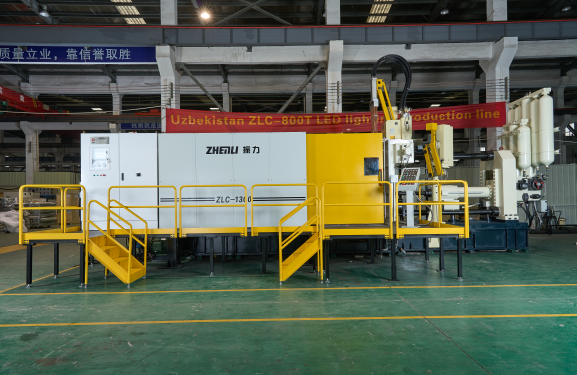
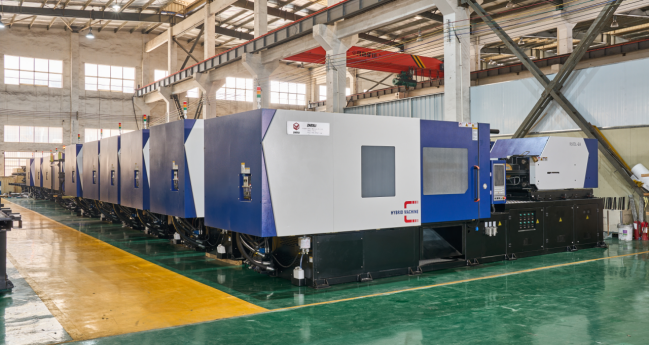
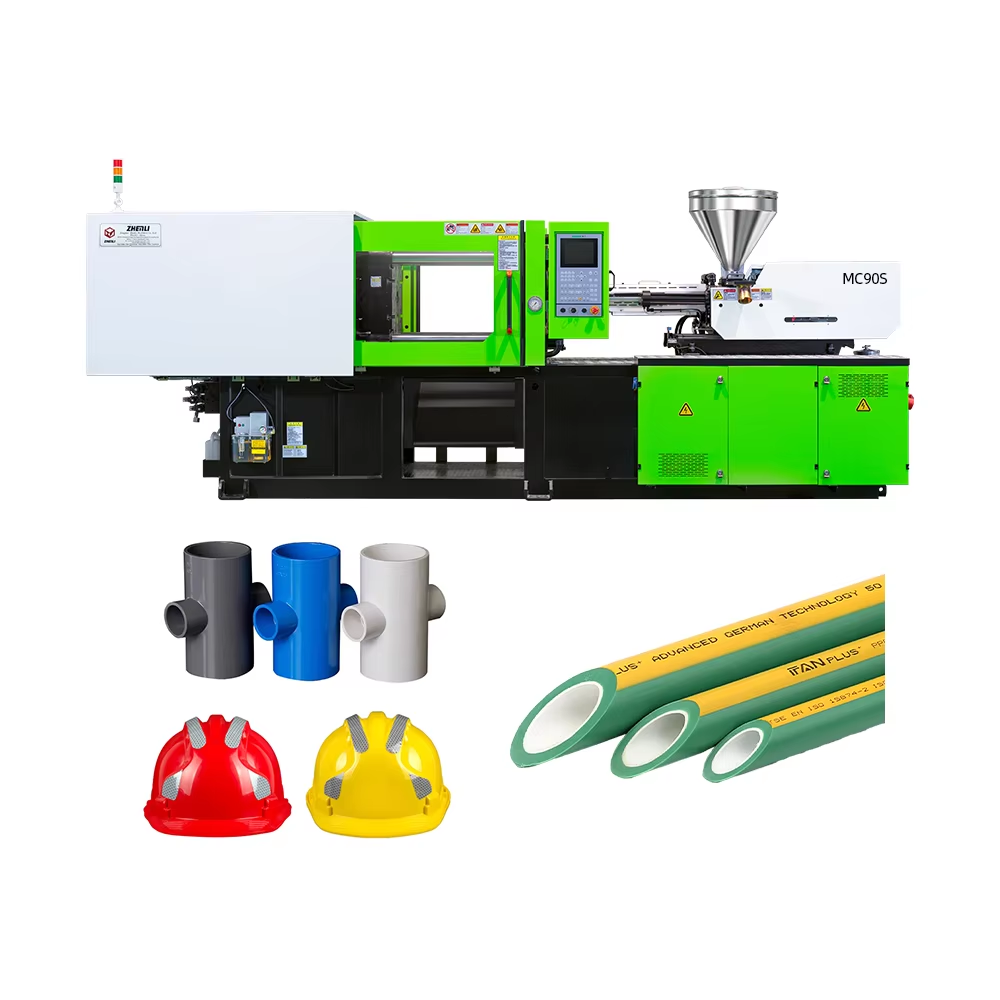
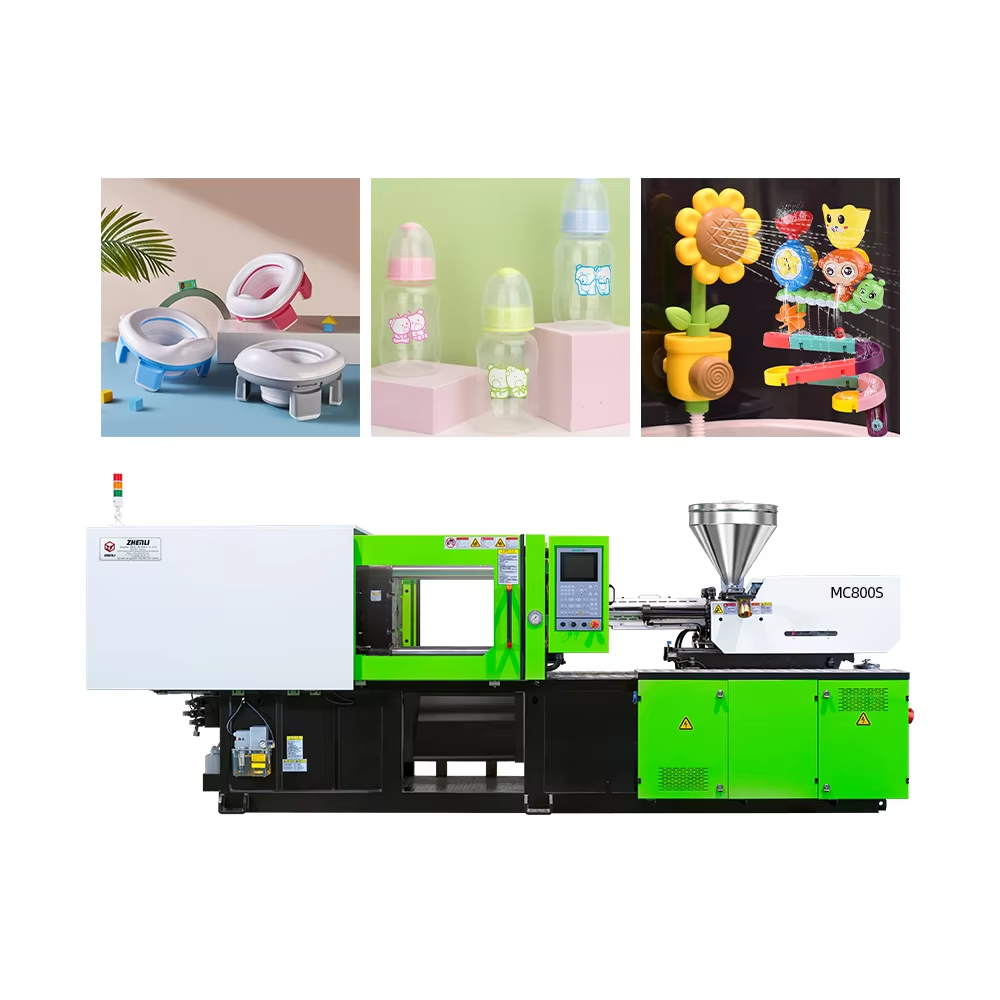
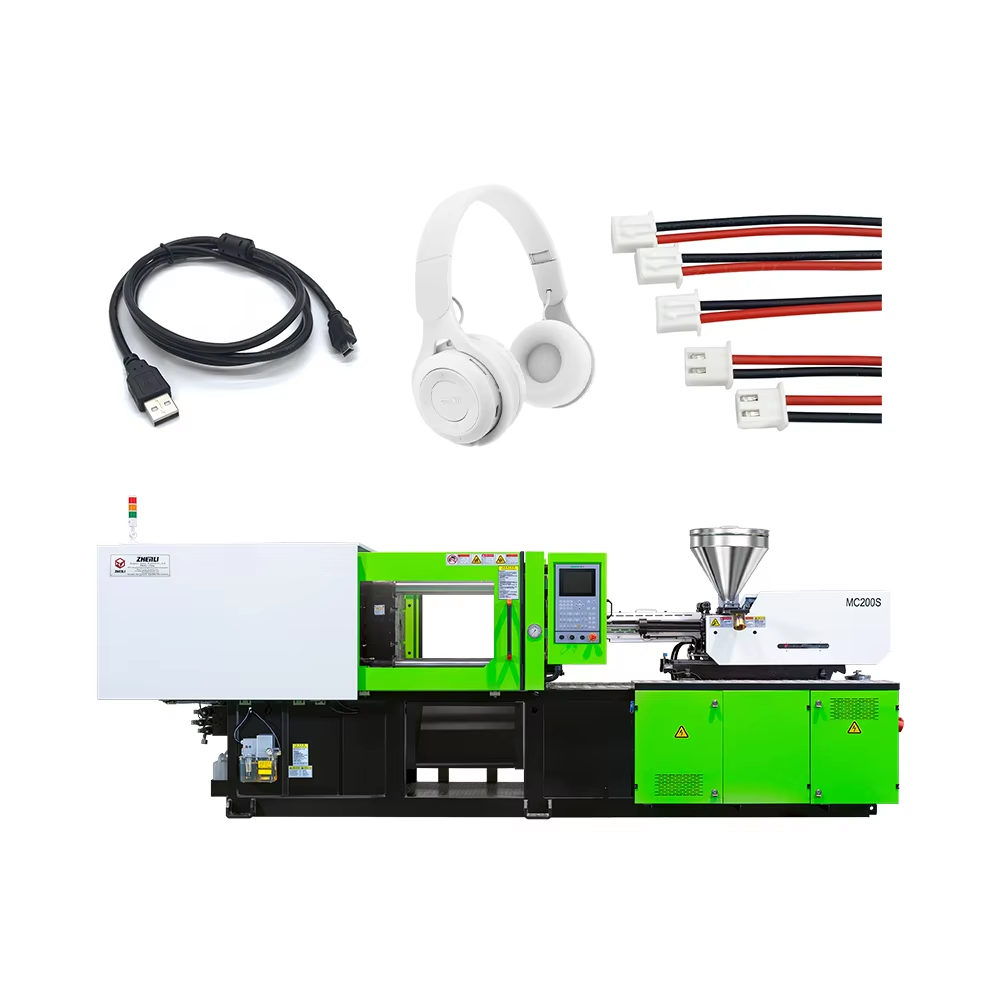
Silicone injection machine is a specialized manufacturing tool engineered to process silicone rubber—known for its exceptional heat resistance ( 50°C to 200°C), chemical inertness, flexibility, and biocompatibility—into precision components for industries such as medical devices, electronics, automotive, consumer goods, and aerospace. Unlike plastic injection machines, silicone injection machines address silicone’s unique properties: high viscosity, low thermal conductivity, and vulcanization (curing) requirement at elevated temperatures. The core of the machine is its specialized injection unit, featuring a low shear screw design that prevents silicone degradation while ensuring uniform mixing and deaeration (removing air bubbles critical for medical and electronic applications). The screw and barrel are constructed from corrosion resistant stainless steel, with temperature controlled zones (100–180°C, ±1°C accuracy) to maintain silicone in a workable state without premature curing. The injection system delivers silicone at controlled pressures (30–150 MPa) and speeds (0.1–5 m/s), ensuring complete filling of complex mold geometries—including micro components (as small as 0.1 mm) and parts with intricate details (e.g., medical catheters, electronic seals). The die clamping unit, available in tonnages from 5 to 500 tons, utilizes servo hydraulic or electric drives with precise positioning (±0.01 mm) to maintain mold alignment, preventing flash and ensuring dimensional consistency (tolerance ±0.02 mm). A key feature is the mold heating system, which maintains temperatures of 150–200°C to facilitate vulcanization, with uniform heat distribution across the mold cavity to ensure consistent curing. Equipped with an advanced intelligent control system (Siemens, Fanuc), the machine offers real time adjustment of injection pressure, speed, mold temperature, and curing time—with recipe storage for 50+ part configurations. For medical applications, machines comply with FDA and ISO 13485 standards, featuring cleanroom compatible designs (stainless steel surfaces, minimal particle generation) and traceability via data logging. Automation integration includes robotic part extraction (gentle handling to avoid damaging flexible silicone parts), inline visual inspection (for surface defects), and automated mold cleaning systems. Energy efficiency is optimized via insulation for heating zones, variable frequency drives, and heat recovery systems—reducing power consumption by 15–20%. Customization options include multi cavity mold compatibility (up to 64 cavities for high volume production), specialized nozzles for micro injection, and integration with plasma treatment systems (to enhance silicone adhesion to other materials). Leading manufacturers offer one stop service, including technical consulting to optimize part design for silicone’s flow properties, mold compatibility testing, sample production validation (including biocompatibility and durability testing), on site installation and commissioning, operator training (on silicone processing best practices), and global after sales support with regional spare parts warehouses. Whether producing sterile medical seals, high temperature automotive gaskets, or waterproof electronic enclosures, silicone injection machines deliver consistent quality, biocompatibility, and performance—meeting the strict requirements of industries relying on silicone’s unique material properties.
 EN
EN