 ×
×
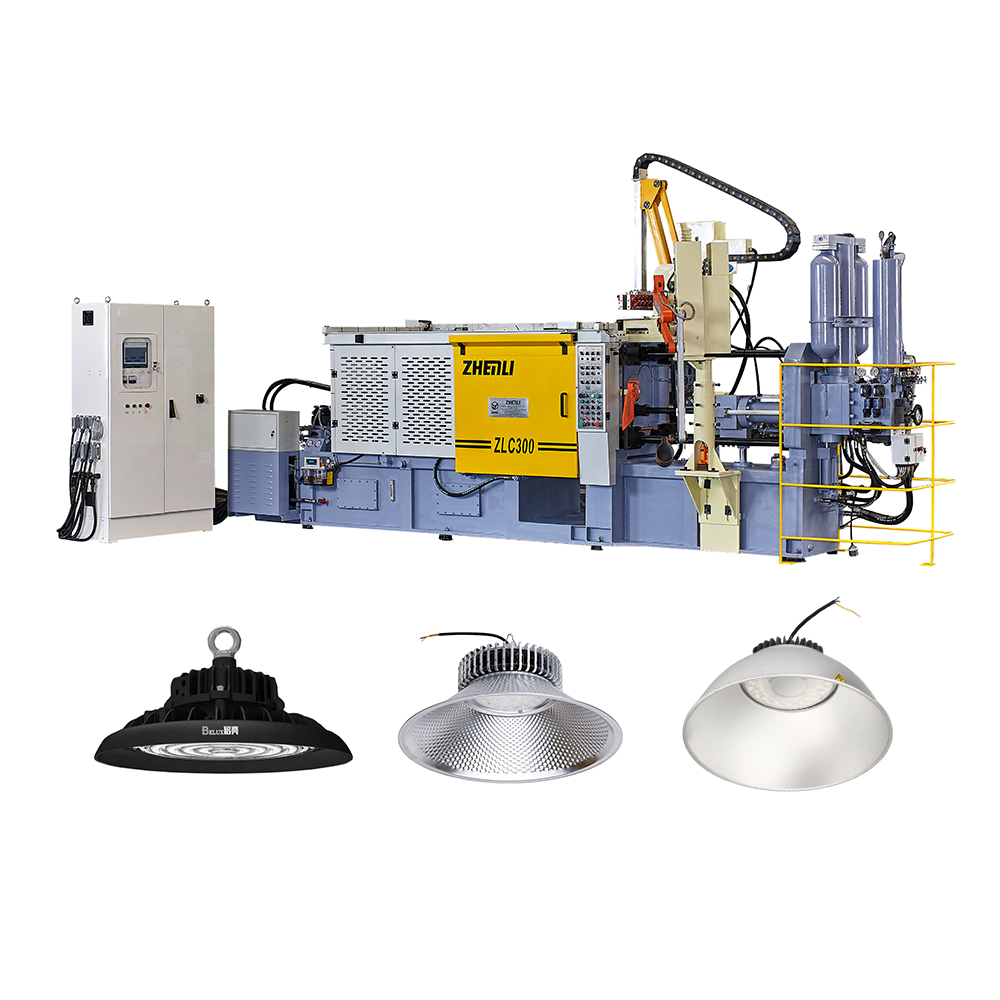
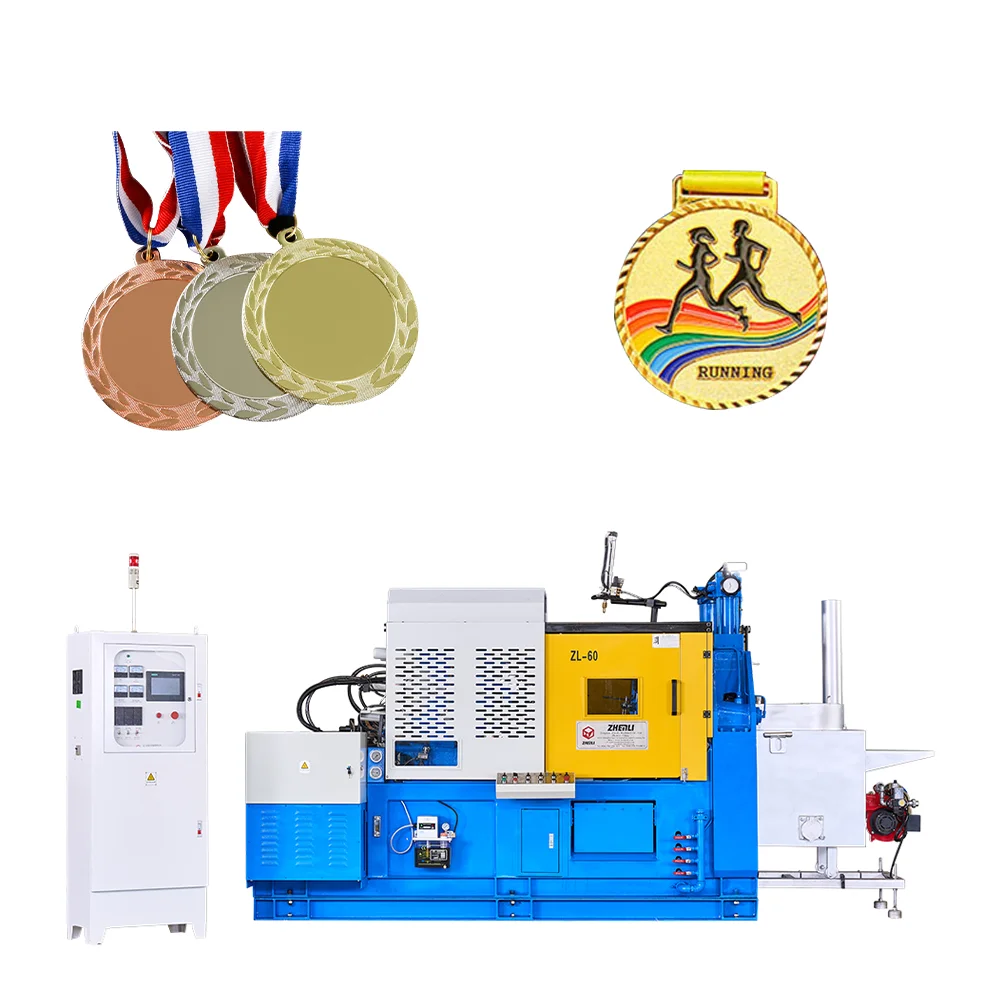
The hot chamber die casting process works really well with zinc alloys because these metals have pretty low melting points around 385 to 420 degrees Celsius and they just flow so nicely when melted. Take Zamak alloy for instance it moves through the submerged injection system without much trouble at all. This helps reduce thermal stress on the equipment and makes sure even the most complicated mold designs get filled completely. Cold chamber systems are different though since workers actually have to manually pour the molten metal into them. Hot chamber machines solve this problem by keeping the zinc continuously melted inside their own built-in furnaces, ready to go whenever needed for casting operations. What this means in practice is less oxidation occurs during the process and there's significantly less porosity in the final products. As a result, manufacturers can produce parts that are dense and structurally sound ideal for things like car bolts and those tiny but important connectors used in electronics manufacturing today.
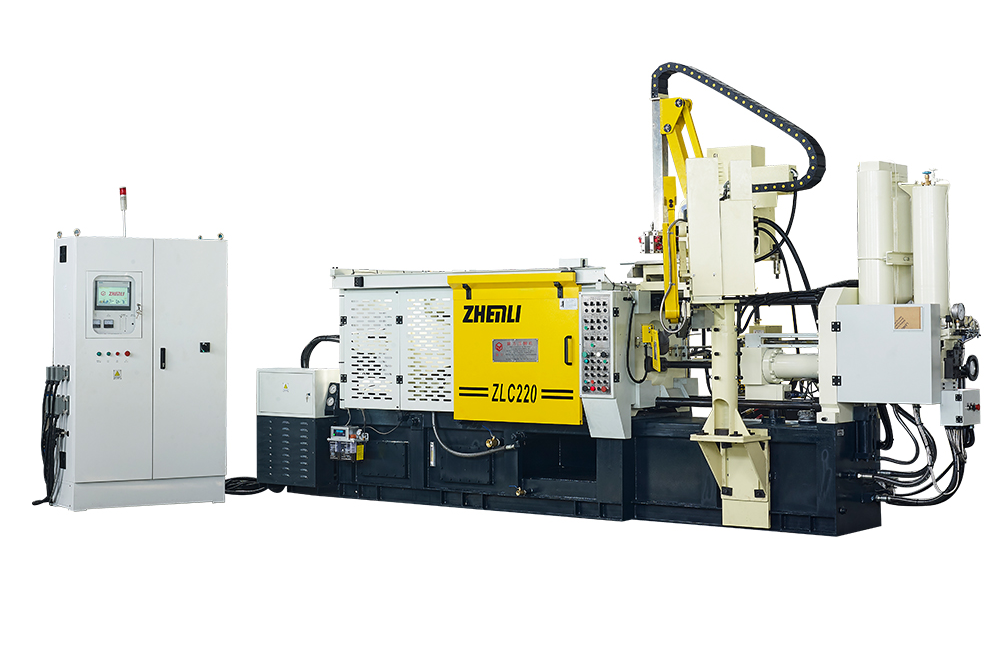
Because zinc melts at such a low temperature, manufacturers can run their machines much quicker too. Cycle times are generally around 30 to 50 percent faster when working with zinc instead of aluminum, so this makes zinc casting great for producing large quantities of parts. Hot chamber machines work differently from cold ones since they inject metal directly into the mold cavity. This setup cuts out those annoying wait times between transfers and saves about a quarter of the energy needed in traditional cold chamber setups. Most production lines running these hot chamber systems manage between 800 and 1200 castings every single hour while still keeping dimensional accuracy within plus or minus 0.075 millimeters. The combination of speed and precision means factories can crank out thousands of identical components day after day without compromising on quality standards.
| Property | Zinc Alloys | Aluminum Alloys |
|---|---|---|
| Melting Point | 385–420°C | 580–660°C |
| Cycle Time Efficiency | 45–60 seconds | 90–120 seconds (cold chamber) |
| Tool Longevity | 150,000–200,000 cycles | 80,000–100,000 cycles |
| Surface Finish | Ra 1.6–3.2 µm | Ra 3.2–6.3 µm |
The thermal characteristics of zinc really give it an edge when it comes to maintaining consistent dimensions and allowing for those super thin walls (as little as half a millimeter thick) in hot chamber systems. Aluminum tells a different story though. Because it melts at much higher temperatures and flows differently, manufacturers have to rely on complicated cold chamber methods that eat up more energy. Looking at production figures makes this clear: around 78 percent of all zinc parts come out of hot chambers, whereas aluminum barely cracks 5 percent in this category. This difference isn't just interesting statistics either it directly affects how manufacturers choose materials based on their specific needs.
In the world of hot chamber die casting, zinc alloys like Zamak (a mix of zinc, aluminum, copper and magnesium) and various ZA series alloys are the workhorses because they strike a good balance between how well they can be cast and their mechanical properties. Take Zamak 3 for instance it contains about 4% aluminum and just a touch of copper at 0.25%, making it a popular choice for parts in cars and trucks. The Zamak 5 variant steps things up a notch with better strength, so it finds its way into bathroom fittings and similar applications where extra toughness matters. When we look at high aluminum content ZA alloys that run from roughly 8% all the way up to 27% aluminum these offer much improved durability but come with a catch they require much stricter control during manufacturing processes. Most hot chamber systems work best with standard Zamak grades since they typically melt around 380 degrees Celsius and have relatively low aluminum content. This composition helps minimize wear and tear on critical components like plungers and goosenecks over time, which is something manufacturers definitely appreciate when running production lines day after day.
Three key properties define zinc’s success in hot chamber die casting:
These characteristics support cycle times under 15 seconds while achieving ±0.05 mm tolerances.
Alloys with high aluminum content like ZA-27, which contains around 27% aluminum, can cause serious problems in hot chamber systems. These materials need much higher temperatures than typical furnaces can handle, often above 430 degrees Celsius. This leads to increased wear on equipment over time, with some reports showing nozzle erosion rates doubling compared to regular operations. Another issue arises from internal porosity forming when processing isn't done under strict environmental controls. Getting good results requires matching machinery specs to what the alloy actually needs. For instance, ZA-8 typically demands at least 600 tons of clamping force, while formulations containing magnesium generally work best with heated manifolds during production runs.
Machine selection should reflect production scale. High-volume operations (50,000+ units annually) benefit from advanced hot chamber systems capable of ≤15-second cycle times. For lower volumes, modular machine designs offer flexibility with minimal impact on productivity (typically 15–20% reduction), enabling efficient mold changes and prototyping.
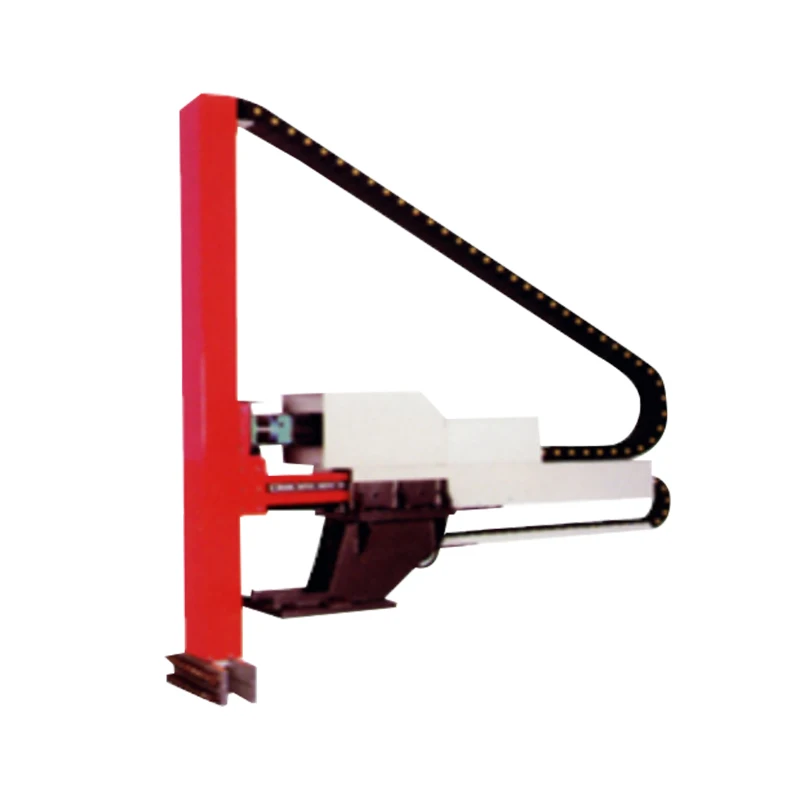
Robotic extraction arms combined with IoT-enabled controls reduce human intervention by 75% in leading facilities. Real-time monitoring adjusts plunger speed based on zinc’s consistent 787°F (419°C) melting point, preventing cold shuts during high-speed automated runs.
Select machines rated for ≥0.5 GPa withstand pressure to match the tensile demands of Zamak alloys (0.2–0.4 GPa). Crucible materials should resist corrosionfrom zincflux—ceramic-lined systemshave demonstrated60% longer service life than steel counterpartsin recent field tests.
In hot chamber die casting processes, zinc can reach around 15 cycles per minute because the system has built-in melting capabilities along with automatic injection mechanisms. Since zinc melts at approximately 385 degrees Celsius, it requires less energy overall and solidifies much faster than other metals. When there's no need to move molten metal from outside sources into the machine, production stops become rare occurrences. This makes hot chamber casting particularly well suited for manufacturing runs of smaller components such as screws, nuts, bolts, and various types of electrical connectors that are needed in large quantities across different industries.
The fluid nature of molten zinc allows manufacturers to create walls as thin as half a millimeter, while achieving surface finishes below 1.6 micrometers Ra. When injected at pressures between 14 and 28 MPa, the material fills molds evenly throughout, which is really important when making intricate parts for things like medical equipment and gadgets we use every day. According to industry reports, around 89 out of 100 zinc die castings come straight off the machine ready to go without needing any extra work, which cuts down on production time and money spent on finishing processes.
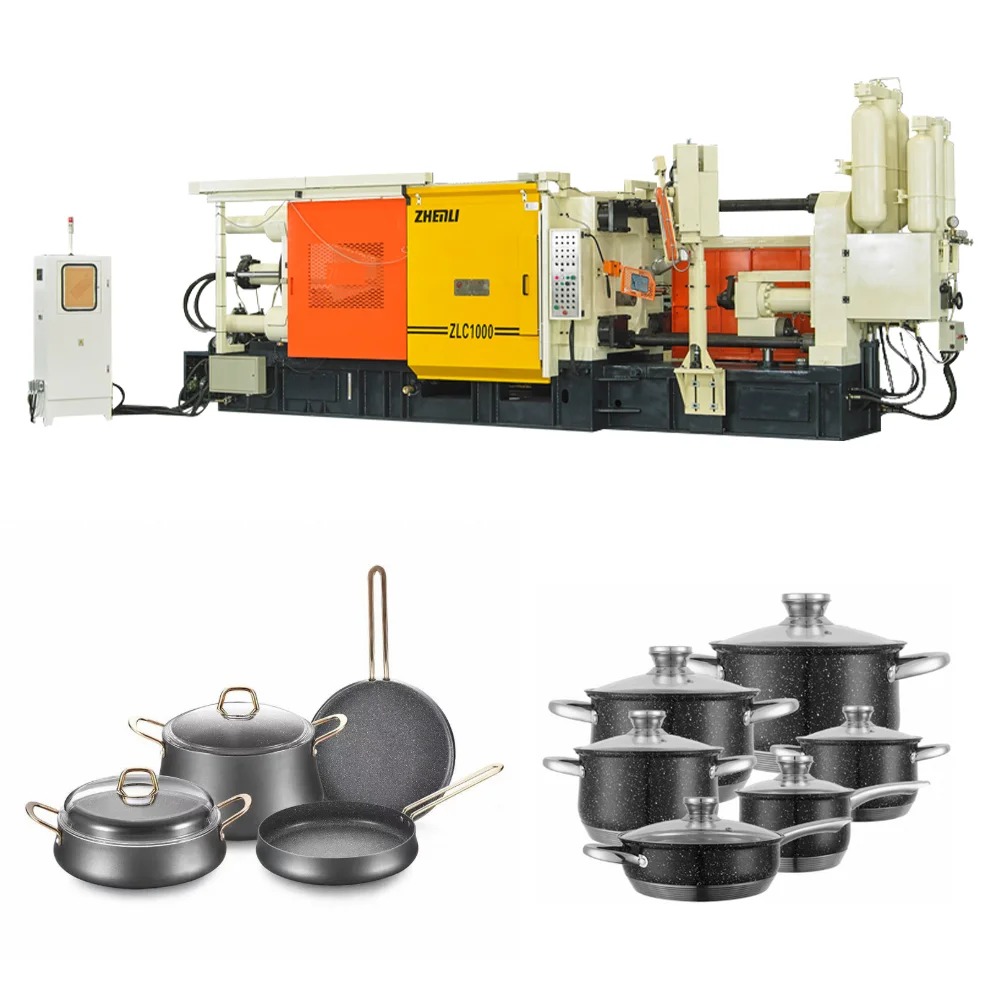
Cold chamber die casting is rarely economical for zinc. It may only be considered for exceptionally large components exceeding the typical shot weight limit of hot chamber machines (usually ≤25 kg). For 97% of zinc applications, hot chamber systems offer better dimensional accuracy and 20–30% lower unit costs.
The hot chamber process remains popular among manufacturers needing high precision and corrosion resistance from their zinc components. Automotive applications benefit greatly from this technique, as seen in fuel injection systems, car door handles, and various transmission components. These parts often rely on Zamak alloys which can handle pressures well above 700 megapascals according to recent data from the International Zinc Association. Electronics manufacturers also find value in zinc's ability to block electromagnetic interference, making it go-to material for connectors and those important LED cooling systems. Beyond industrial uses, consumers encounter zinc daily in stylish bathroom fixtures and sturdy hardware found throughout modern furniture designs.
| Practice | Impact |
|---|---|
| Maintaining 415–430°C melt temperatures | Prevents porosity in thin-walled casts |
| Using 99.995% pure zinc alloys | Reduces dross formation by 60% |
| Implementing automated shot monitoring | Improves consistency across 10k+ cycles |
Strict contamination controls—including limiting iron content to <0.05%—help extend tool life. Post-casting stress relief at 150°C for two hours improves dimensional stability in complex shapes.
Weekly inspection of plunger tips and nozzle alignment helps prevent leaks and unplanned downtime. Integrate real-time viscosity monitoring to detect early signs of alloy degradation. Operators should prioritize preventive maintenance—lubricating gooseneck components every 40 hours of operation significantly extends component life and ensures consistent performance.
 Hot News
2025-08-03
2025-07-31
2025-07-27
2025-08-01
2025-05-08
2019-11-08
Jiangmen Zhenli Machinery Co., Ltd. provides advanced hot chamber and cold chamber die casting machines for global manufacturing. Our CNC-equipped precision engineering delivers reliable, high-performance solutions trusted worldwide. Contact us today.
BUILDING 1,NO.50 BAOTANG ROAD,TANGXIA TOWN,PENGJIANG DISTRICT, JIANGMEN CITY ,GUANGDONG,CHINA
Copyright © 2025 by Jiangmen Zhenli Machinery Co., Ltd. Privacy Policy
 EN
EN