 ×
×
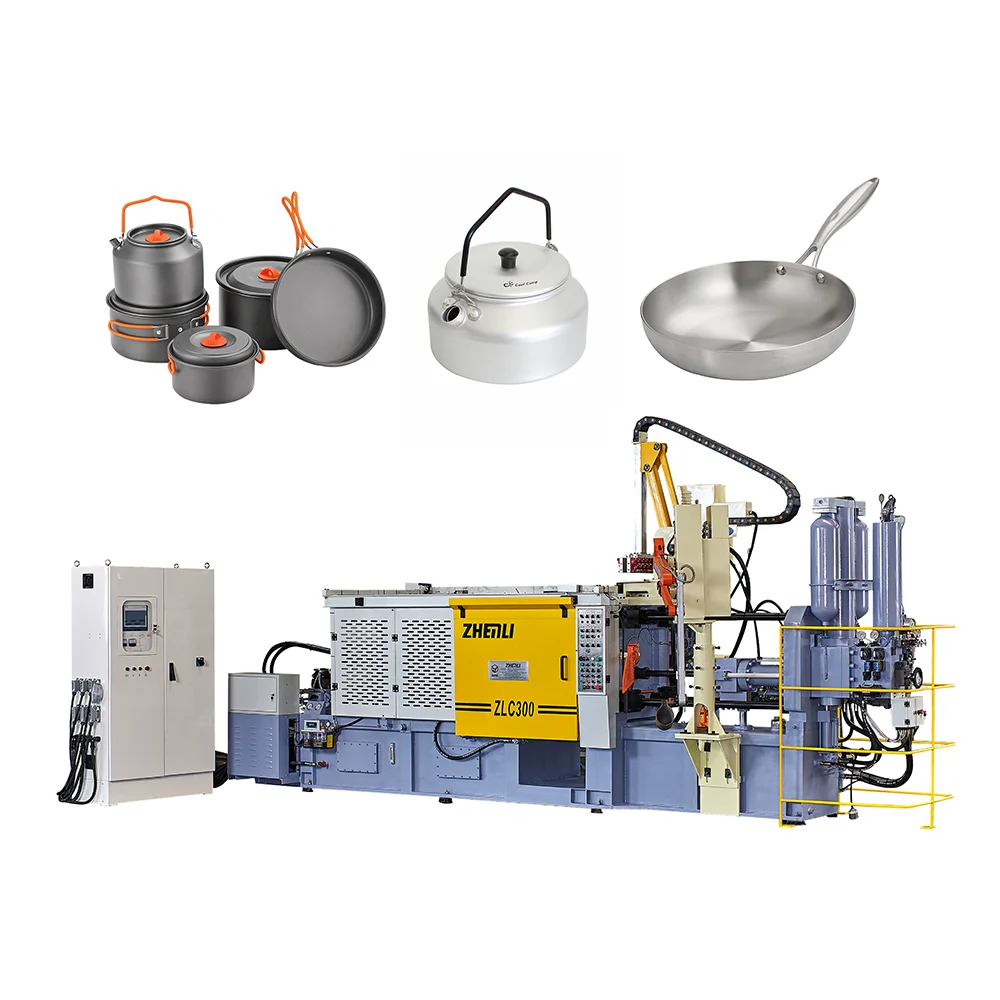
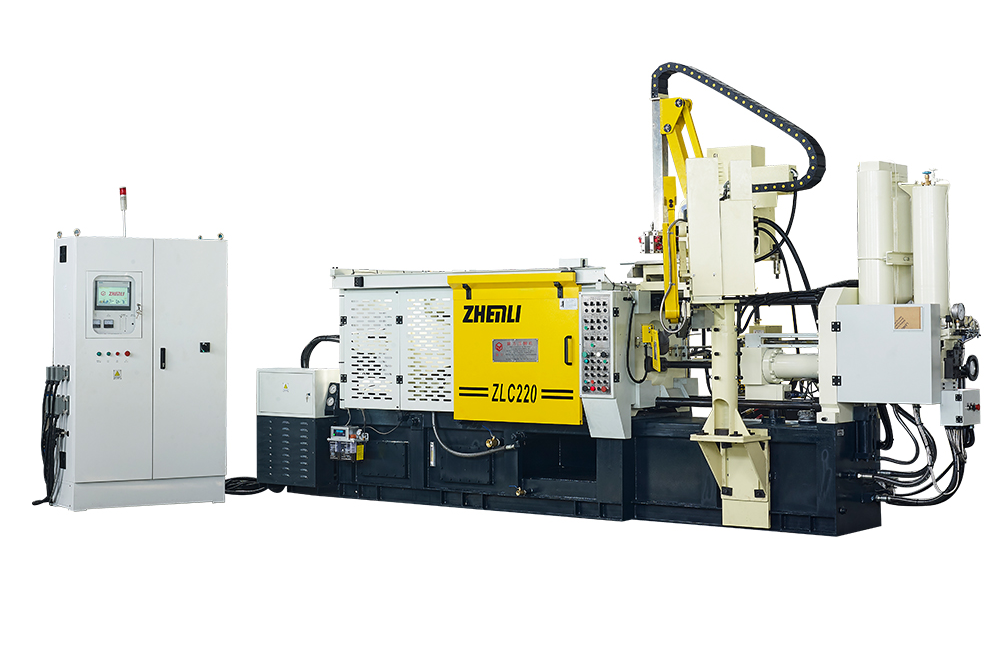
The hot chamber die casting setup works really well with zinc alloys because of its built-in submerged injection system that keeps the metal melted at around 385 to 420 degrees Celsius. These machines can complete cycles in just 45 to 60 seconds, which makes them almost twice as quick as the cold chamber systems typically used for aluminum work. Since the zinc stays inside the machine throughout the process, there's much less chance of oxidation happening when moving materials around, so parts end up with about 30% less porosity than what we see with manual pouring techniques. The steady pressure applied during injection gives these castings excellent dimensional accuracy, often hitting tolerances down to plus or minus 0.1 millimeter. That kind of precision makes hot chamber casting perfect for things like those tiny electronic connectors or the various fastening components found in modern cars.
Zamak 3 and similar zinc alloys work exceptionally well for hot chamber die casting applications. The relatively low melting temperature of around 420 degrees Celsius means the metal flows smoothly through the gooseneck system, capable of filling those really thin walls down to just half a millimeter thick something most other metals simply can't achieve. Another big plus is the low aluminum content, typically under 4.3%, which keeps things stable during heating cycles. This stability helps protect equipment too, with plungers lasting anywhere from 150,000 to over 200,000 cycles before needing replacement. Plus, zinc forms a natural oxide layer that acts as a barrier between itself and steel parts inside the machine, so there's less risk of unwanted iron getting mixed into the final product. All these factors come together to produce parts with impressive tensile strength reaching about 41 ksi and incredibly smooth surfaces finishing at Ra 1.6 micrometers or better, making them stand out compared to what comes from cold casting methods.
Machines working with molten zinc need special materials for their key parts because regular steel just doesn't hold up under constant heat. Components like the gooseneck, plunger assembly, and shot sleeve require something better than standard metal options. Manufacturers often turn to chromium-based alloys or composite ceramics that resist corrosion much better. Industry tests indicate these ceramic coatings can last about 60 percent longer than what was used before, which means fewer breakdowns during operation and better quality castings overall. What makes these materials worth the investment is that they stop metal particles from getting into the product stream while keeping dimensions stable even after thousands of cycles on the production line.
Getting the temperature right matters a lot when working with zinc since it starts to solidify around 419 degrees Celsius. If temperatures aren't carefully managed, we end up with dross - basically oxidized zinc residue that gets stuck on parts and messes up their quality. Modern systems use built-in cooling channels along with temperature sensors that give constant readings, keeping the molten metal at just the right consistency so it fills all those tricky shapes evenly throughout the mold. Adjusting how fast the plunger moves and changing pressure settings helps push out trapped air, which means fewer defects overall. All these little adjustments make a big difference for manufacturers running production lines day after day, week after week.
Getting the right machine size matters a lot when it comes to producing quality parts efficiently. Most machines used for smaller to medium zinc components need clamping forces somewhere between 100 and 300 tons. This helps keep molds together during the process and stops those annoying flashes from forming when pressure gets really high. When looking at shot weight capacity, it's generally wise to go beyond what's needed by around 15 to 20%. Why? Because zinc solidifies so quickly that there needs to be enough material to completely fill every part of the cavity before things cool down. The plunger diameter plays a big role too in how fast material gets injected. Narrower plungers create faster speeds which work great for detailed features, whereas wider ones handle thicker sections better without causing problems. Machines equipped with adjustable plunger systems give manufacturers an edge in handling mixed production runs. They can switch between different zinc alloy parts much quicker, saving time and money on setup changes throughout the day.
Zinc die casting shops today really see improvements when they bring automation into their workflow. The machines come with those standard PLC connections that work great with robots for pulling out parts after each cycle. This cuts down production time quite a bit actually about 20 to 30 percent in places where they're making thousands of pieces every day. Keeping track of heat levels in real time helps maintain the right temperature range for zinc around 380 to 420 degrees Celsius which stops unwanted oxidation buildup over long production shifts. These systems also play nice with other manufacturing steps like trimming excess material, precision machining, and quality checks all happening automatically one after another. And let's not forget about those smart sensors connected through the internet that warn operators before something breaks down, saving money on unexpected repairs. This kind of tech makes all the difference especially in industries like car manufacturing or when producing gadgets for consumers where reliability matters most.
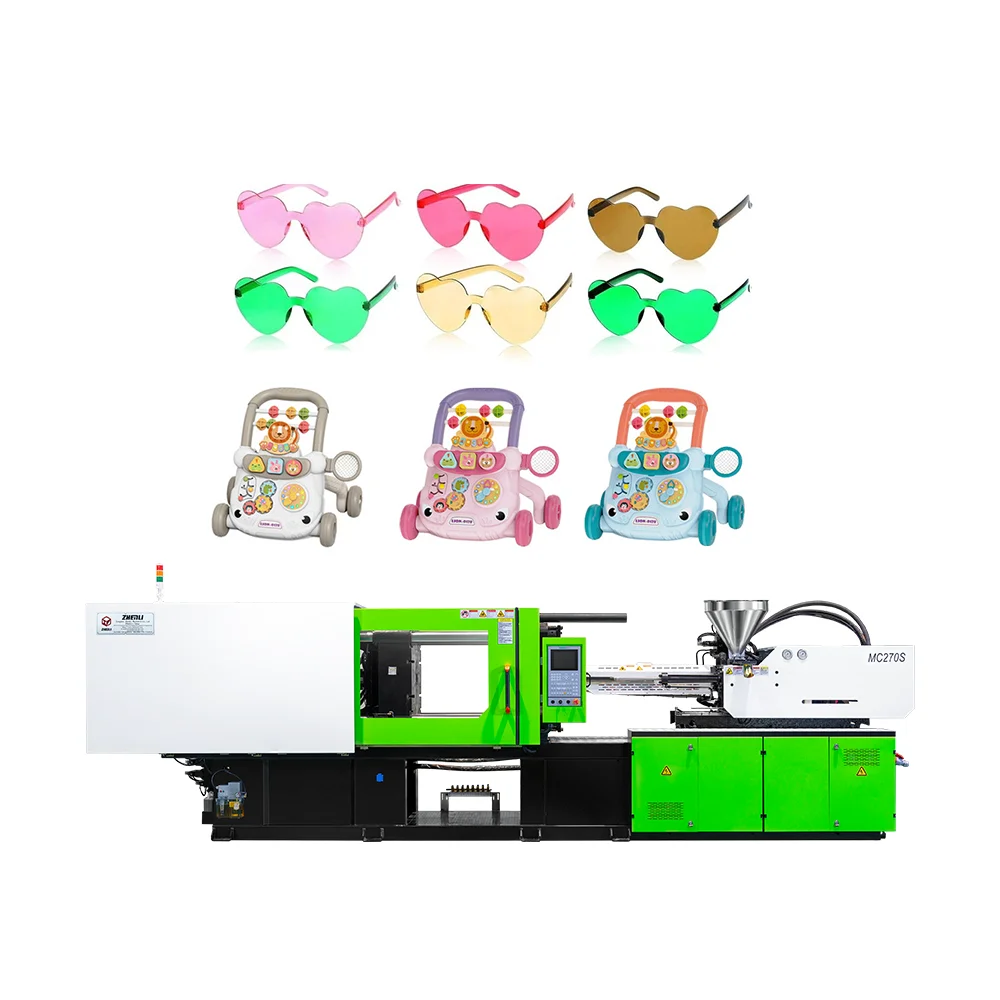
When choosing a hot chamber die casting machine for working with zinc, manufacturers need to look closely at what their operation actually needs versus just going for whatever specs look good on paper. Zinc melts at a relatively low temperature and flows really well, which means these hot chamber systems can typically complete cycles about 20 to 30 percent faster than cold chamber machines in most situations. There are several important considerations though. First, the machine needs enough clamping force so it doesn't create flash when making those thin walled parts everyone wants nowadays. Most standard zinc components require shot weights under 25 kilograms, so check if the machine can handle that range. Also important is how precisely the plunger moves since this affects dimension accuracy across batches. Machines should have goosenecks and shot sleeves made from materials that resist corrosion because otherwise the zinc gets contaminated over time. Thermal management matters too - keeping temperatures stable helps reduce dross formation during production runs. And let's not forget about automation features either. Systems equipped with robotic part removal and inline quality checks make a huge difference in maintaining consistent output rates, particularly when producing intricate parts for industries where volume matters most like automotive manufacturing or consumer electronics production.
 Hot News
2025-08-03
2025-07-31
2025-07-27
2025-08-01
2025-05-08
2019-11-08
Jiangmen Zhenli Machinery Co., Ltd. provides advanced hot chamber and cold chamber die casting machines for global manufacturing. Our CNC-equipped precision engineering delivers reliable, high-performance solutions trusted worldwide. Contact us today.
BUILDING 1,NO.50 BAOTANG ROAD,TANGXIA TOWN,PENGJIANG DISTRICT, JIANGMEN CITY ,GUANGDONG,CHINA
Copyright © 2025 by Jiangmen Zhenli Machinery Co., Ltd. Privacy Policy
 EN
EN