Auto Part Die Casting Machine | High-Precision & Efficient

[email protected]         +86-13302590675

Get a Free Quote

Our representative will contact you soon.
Email
Mobile/WhatsApp
Name
Company Name
Message
0/1000

Auto Part Die Casting Machine - Specialized for Automotive Components by Zhenli

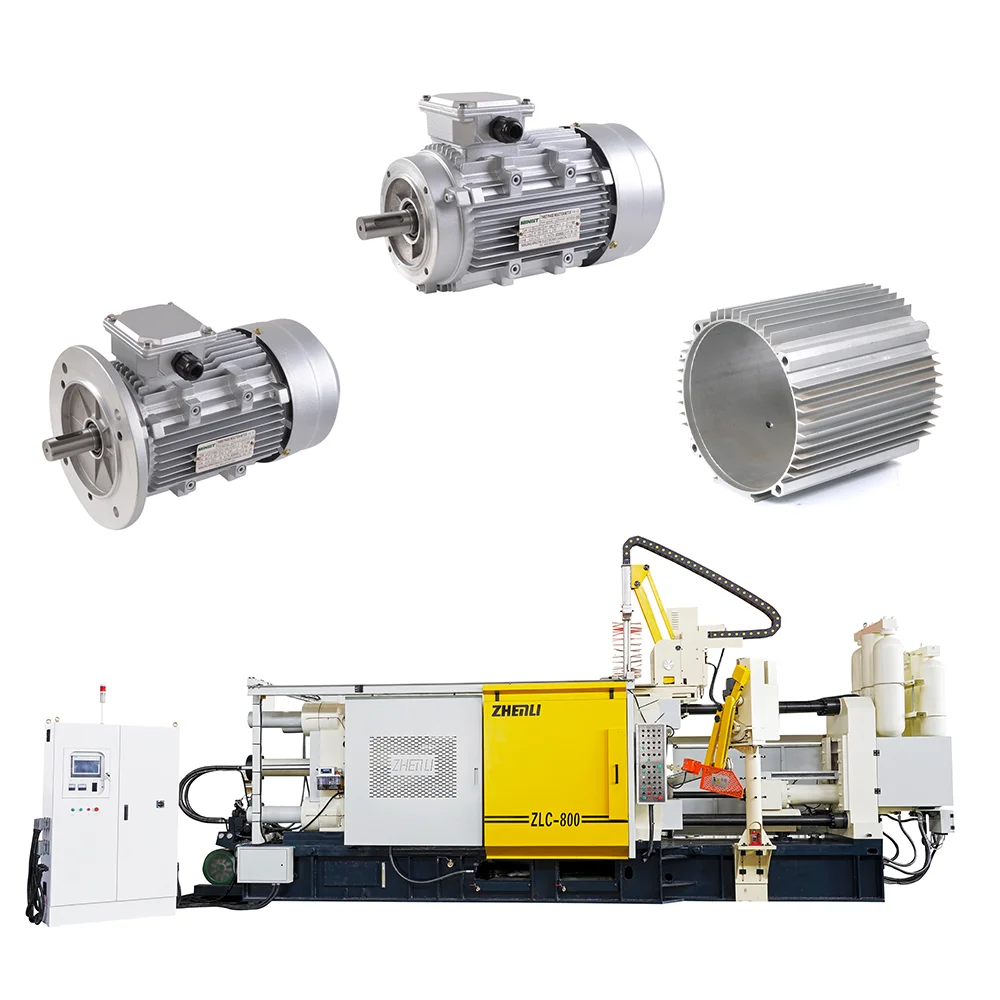
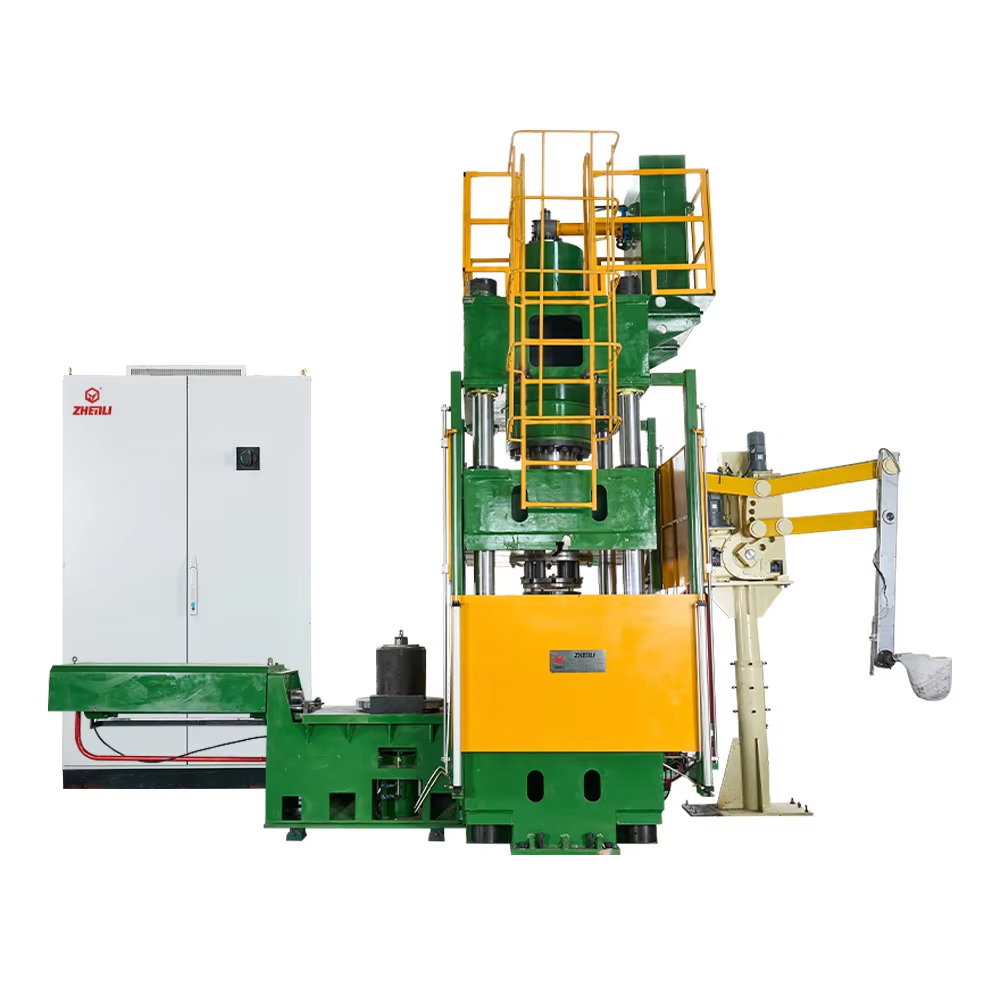
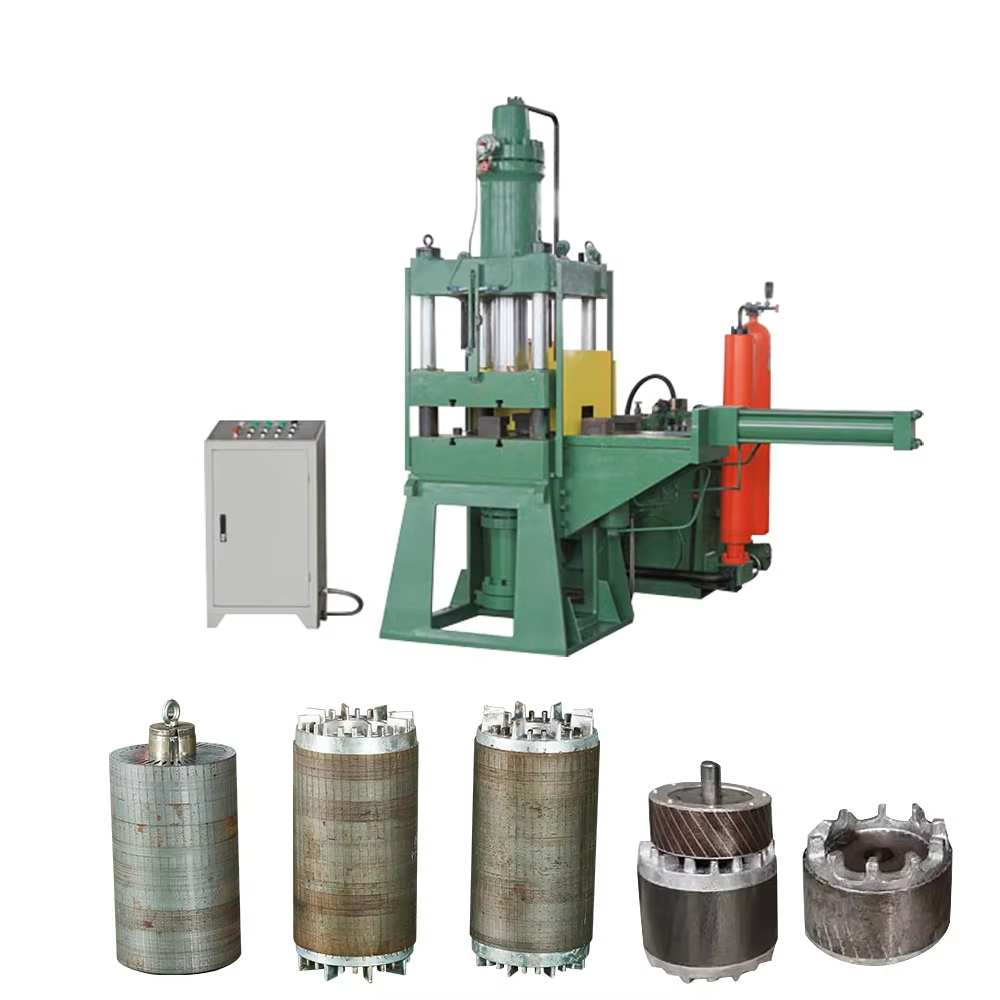
This page highlights auto part die casting machines tailored for manufacturing automotive components (engine blocks, transmission housings, wheel hubs). Jiangmen Zhenli’s models include high-pressure, low-pressure, and gravity variants, ensuring precision and efficiency for auto industry standards. Equipped with high-strength clamping systems and precise injection units, the machines produce complex parts with tight tolerances. The page includes technical specs, compatibility with auto part designs, customization services, and ISO/CE certifications. Zhenli supports global auto manufacturers with reliable, high-performance casting solutions and one-stop after-sales support.
Get A Quote

Advantages of the product

Stable Performance for High Quality Output

Equipped with precise temperature control and pressure regulation systems, Zhenli’s casting machines ensure consistent metal melting and molding processes. The temperature error is controlled within ±2℃, and pressure fluctuation is less than 5%, effectively reducing defects like air bubbles, cracks, and uneven thickness in castings. In automotive part production, this stability guarantees that each engine block meets industry standards, lowering the reject rate to below 3% and saving raw material waste.

Related products

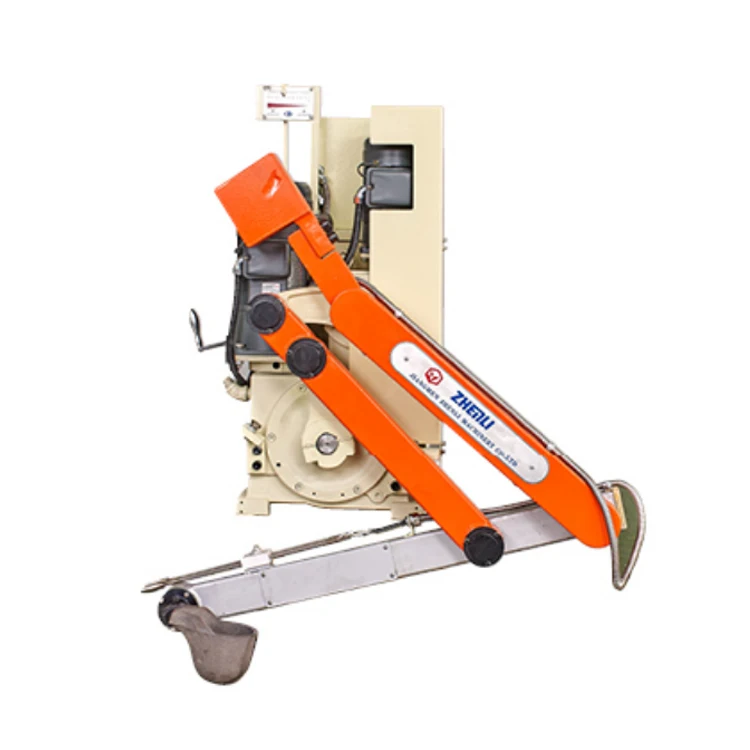
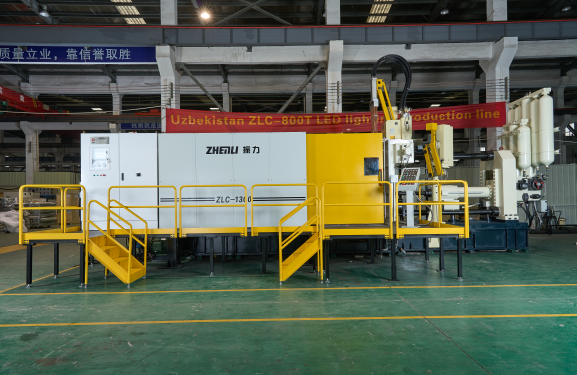
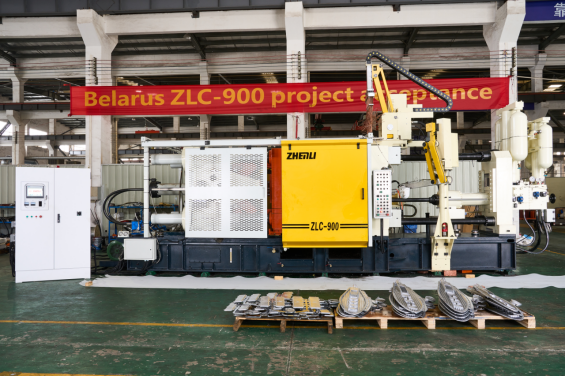
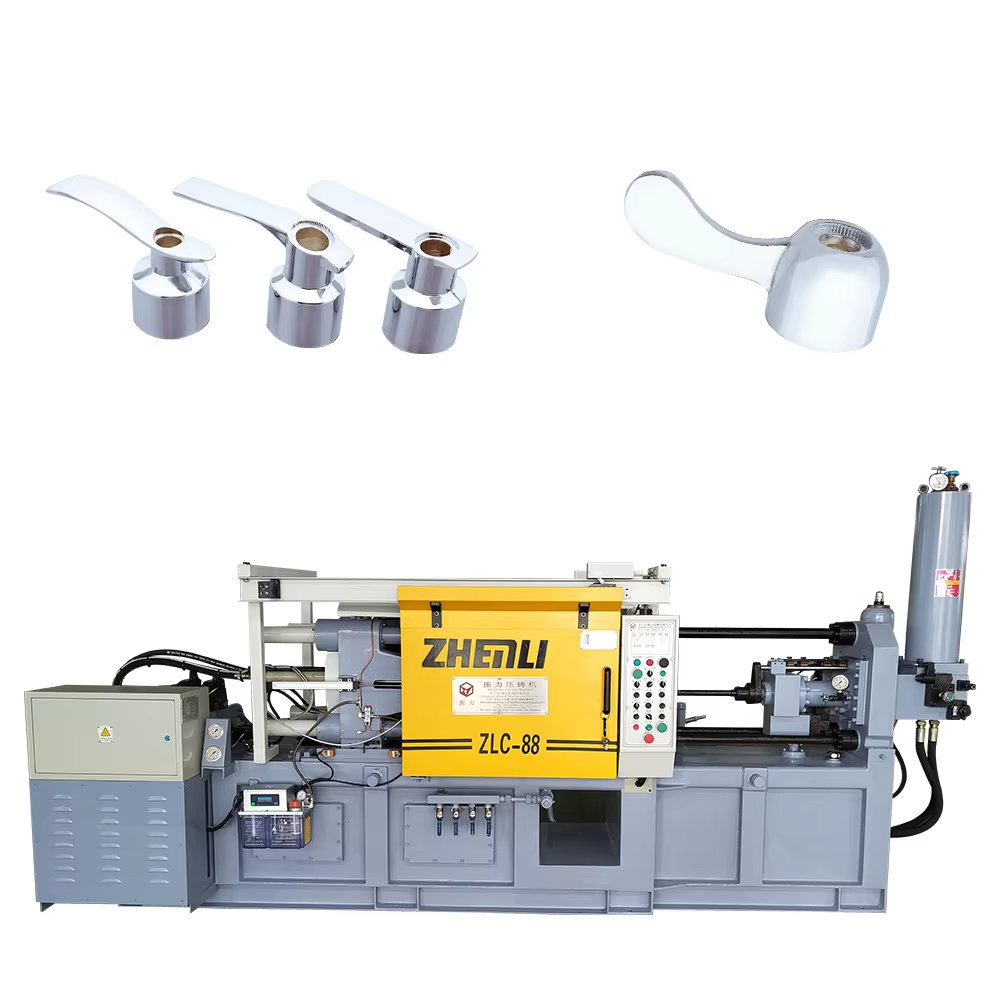
Auto part die casting machine is a specialized manufacturing solution engineered to meet the automotive industry’s strict requirements for precision, durability, lightweighting, and high volume production—complying with standards such as IATF 16949, ISO/TS 16949, and OEM specific quality protocols. Jiangmen Zhenli Machinery’s auto part die casting machine lineup, available in hot and cold chamber configurations, is optimized for materials including aluminum, zinc, and magnesium alloys—key for producing components that balance strength and weight (critical for fuel efficiency and electric vehicle range). The cold chamber models (88–4500 tons) excel at large, high strength parts such as engine blocks, cylinder heads, transmission housings, and suspension components—utilizing injection pressures up to 180 MPa and speeds up to 10 m/s to fill complex geometries with thin walls (2–3 mm). Hot chamber models (12–400 tons) produce small precision parts like door handles, switch housings, and electrical connectors with cycle times as low as 15 seconds. Core features include a servo hydraulic die clamping system with ±0.005 mm positioning accuracy (ensuring dimensional consistency) and a stabilized pressure injection system (minimizing porosity and shrinkage). The intelligent control system integrates SPC (Statistical Process Control), data logging, and traceability—enabling full part lifecycle tracking (critical for automotive recall compliance). Automation integration includes robotic part extraction, inline deburring, X ray inspection for internal defects, and automated mold change systems (reducing setup time by 50%). Energy efficiency is optimized via double proportional hydraulics and heat recovery, aligning with automotive manufacturers’ sustainability goals. Safety features comply with CE and OSHA standards, with emergency shutdowns and safety interlocks for 24/7 operation. Zhenli’s one stop service includes technical consulting to optimize part design for die casting (e.g., reducing wall thickness while maintaining strength), mold compatibility testing, sample production (with material/mechanical property validation), on site installation, and operator training tailored to automotive workflows. Global after sales support provides 24/7 technical assistance, spare parts delivery within 48 hours for major markets, and maintenance services to maximize uptime. With a proven track record of supplying auto part die casting machines to leading OEMs and tier 1 suppliers worldwide, this equipment delivers the precision (tolerance ±0.02 mm), productivity, and reliability required to produce safe, high performance automotive components.

Frequently Asked Questions

What types of casting machines are mentioned on the webpage?

The webpage mentions two main types of casting machines. One is the Aluminum Alloy Car Wheel Weight Casting Machine, used to produce aluminum alloy weights for car wheels. The other is the Car Auto Part Engine Block Aluminum Die Casting Machine, specialized in making aluminum engine blocks for automobiles. Both focus on aluminum related casting, catering to automotive part manufacturing needs.

Related Articles

What Are the Key Advantages of Modern Aluminum Die Casting Machines?

27

Oct

What Are the Key Advantages of Modern Aluminum Die Casting Machines?

Precision and Dimensional Accuracy in Aluminum Die Casting Machine Operations Modern aluminum die casting machines deliver ±0.25mm dimensional tolerances, enabling sub-millimeter precision essential for aerospace components and medical devic...
View More
What Factors Determine the Choice of Metal Casting Machinery?

27

Oct

What Factors Determine the Choice of Metal Casting Machinery?

Casting Method and Compatibility with Metal Casting Machinery How Different Casting Methods Influence Machinery Requirements What kind of casting gets chosen really affects what sort of machinery ends up being needed for metal casting operations, e...
View More
Why Consider a Supplier with Both R&D and Production Capabilities?

27

Oct

Why Consider a Supplier with Both R&D and Production Capabilities?

Faster Innovation and Shorter Time to Market Integration of R&D and production systems for faster innovation cycles Integrated R&D and production systems eliminate costly handoffs between teams, creating a closed-loop feedback process. Engineers ga...
View More
What Should You Look for in an Injection Molding Machine Supplier?

27

Oct

What Should You Look for in an Injection Molding Machine Supplier?

Evaluate Machine Specifications Aligned with Your Product Design Picking the right injection molding machine for a specific product design means looking at three main specs: clamping force measured in tons, injection volume in ounces or cubic centi...
View More

customer evaluation

Cameron

As a small foundry owner, I need flexibility. This machine works well for small batch aluminum engine parts. It’s easy to adjust parameters for different sizes, and mold changes take 30 minutes. Finished parts have smooth surfaces, reducing post processing time. Used for a year with only minor maintenance.

Get a Free Quote

Our representative will contact you soon.
Email
Mobile/WhatsApp
Name
Company Name
Message
0/1000
High Casting Precision for Consistent Part Quality

High Casting Precision for Consistent Part Quality

This casting machine delivers exceptional casting precision, with an error margin within 0.5g for small parts like aluminum alloy auto wheel weights and ±0.02mm tolerance for critical holes in engine components. Its advanced temperature and pressure control system ensures molten metal flows evenly into molds, preventing defects like air bubbles or shrinkage. The high precision mold design, paired with real time data monitoring, maintains consistent quality across every batch, meeting strict industry standards for automotive and machinery parts.
Efficient Production to Boost Output

Efficient Production to Boost Output

Designed for high efficiency operation, this machine runs continuously for 8–12 hours daily without performance drops. It reduces production cycle time by 20% compared to traditional casting machines—for example, producing 1,200 aluminum wheel weights per hour versus 1,000 with older models. This efficiency translates to a 30% monthly output increase for most users, helping factories meet tight order deadlines and scale production without adding extra shifts.
User Friendly Operation for Quick Staff Training

User Friendly Operation for Quick Staff Training

The machine features an intuitive touchscreen control panel with clear icons and simplified settings, making it easy for new workers to learn. Most operators master basic functions within 2–3 days, and advanced operations (like mold adjustments) take only a week of training. It also includes error prompts (e.g., low molten metal supply, abnormal pressure) that guide users to fix issues quickly, reducing downtime caused by human error—ideal for factories with high staff turnover.
WhatsApp WhatsApp
WhatsApp
Email Email Inquiry Inquiry TopTop