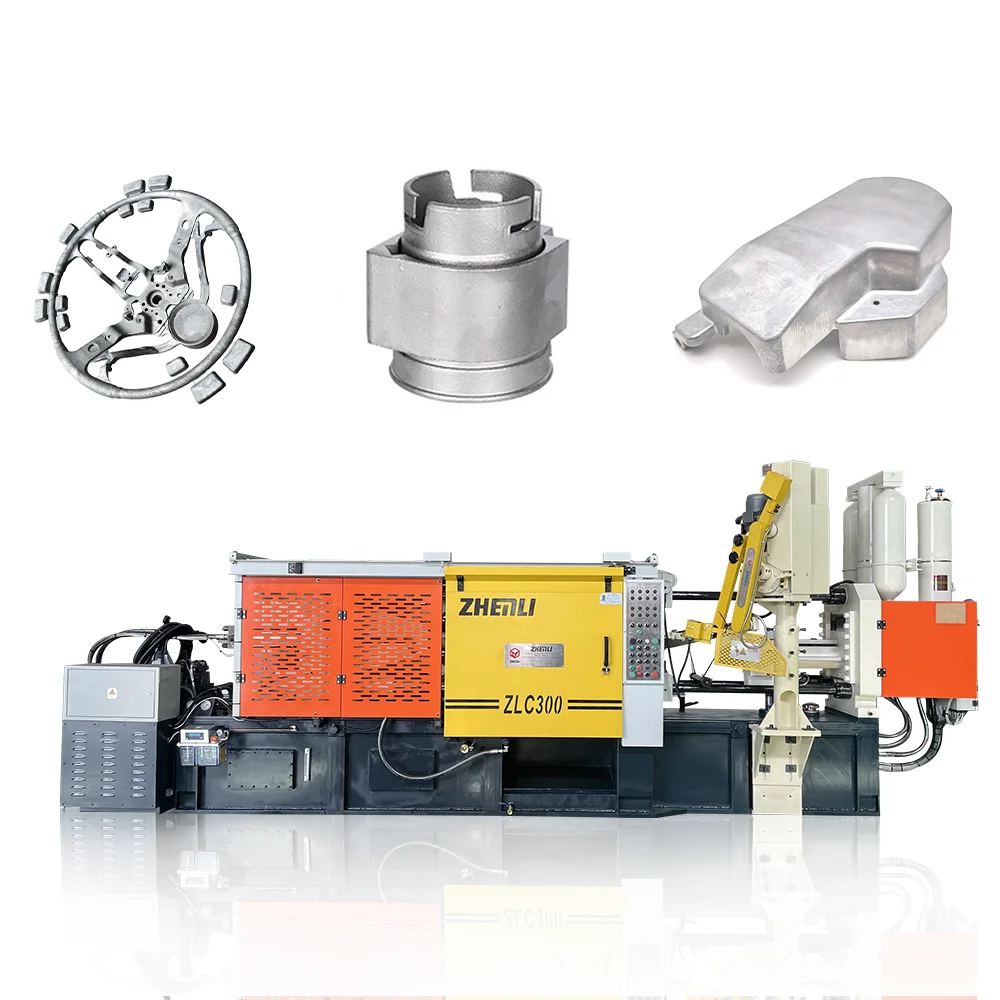
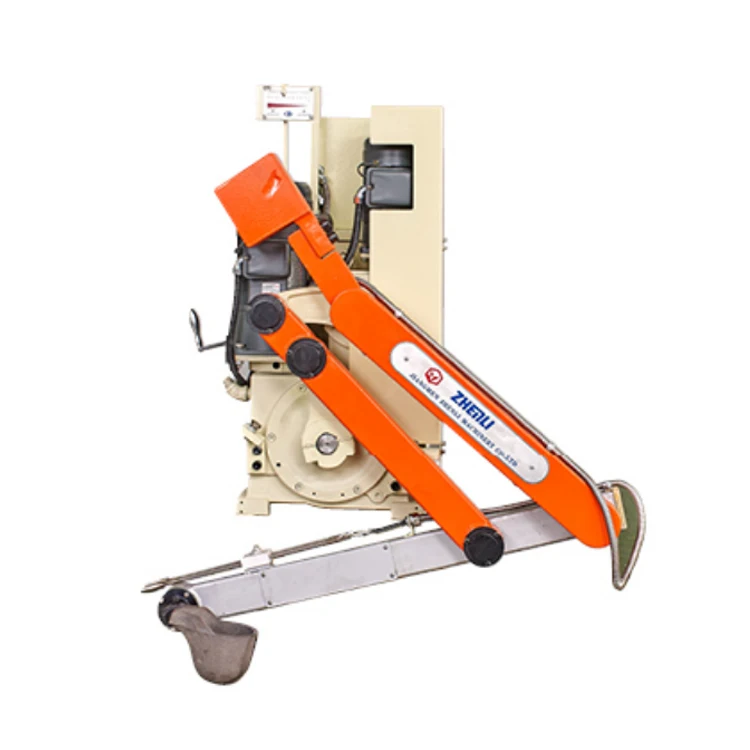
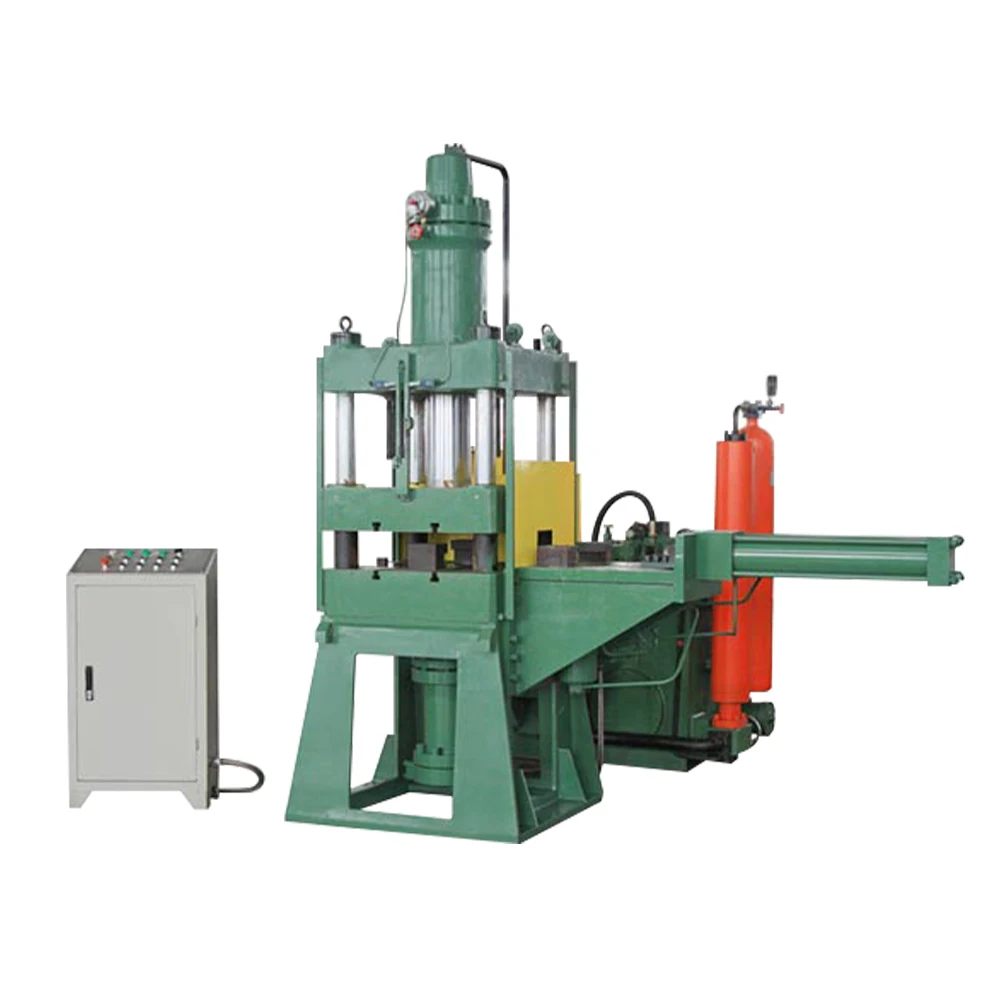
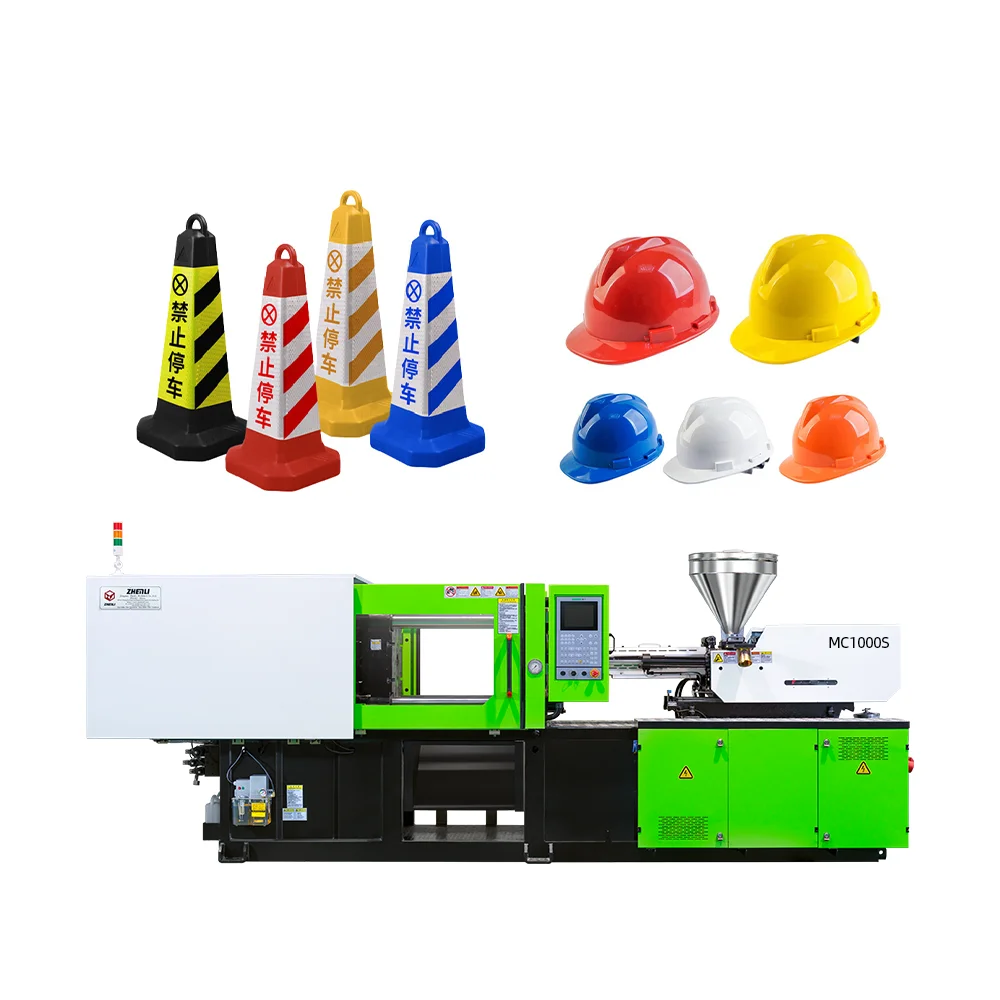
Low Pressure Casting Machine for High-Quality Auto Parts

[email protected]         +86-13302590675

Get a Free Quote

Our representative will contact you soon.
Email
Mobile/WhatsApp
Name
Company Name
Message
0/1000

Low Pressure Casting Machine - Stable & High-Quality Metal Casting by Zhenli

Dedicated to low pressure casting machines, this page showcases Zhenli’s models designed for producing large, thin-walled metal parts (auto wheels, engine components). Using low-pressure gas to fill molds, the machines ensure uniform metal flow and reduced defects. Equipped with precise pressure control systems and intelligent monitoring, they offer high stability and efficiency. The page includes technical specifications, application scenarios, customization services, and ISO/CE certification details. Jiangmen Zhenli provides one-stop support (design, manufacturing, commissioning) and serves clients globally, with a focus on reliability and performance.
Get A Quote

Advantages of the product

Wear Resistant Molds for Long Service Life

The die casting molds are made of high quality H13 hot work steel, 经过 special heat treatment (quenching and tempering) to enhance hardness (up to HRC 45 50) and wear resistance. Under normal use, each mold can complete 50,000 80,000 casting cycles before needing maintenance, which is 20% 30% longer than molds of ordinary die casting machines. This reduces mold replacement frequency, lowers maintenance costs (saving about \(2,000 \)5,000 per year on mold purchases), and minimizes production downtime caused by mold changes.

Related products

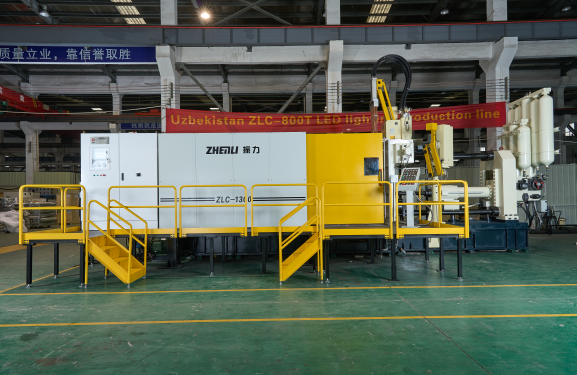
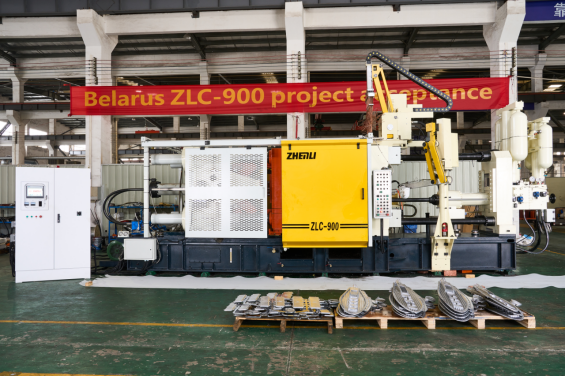
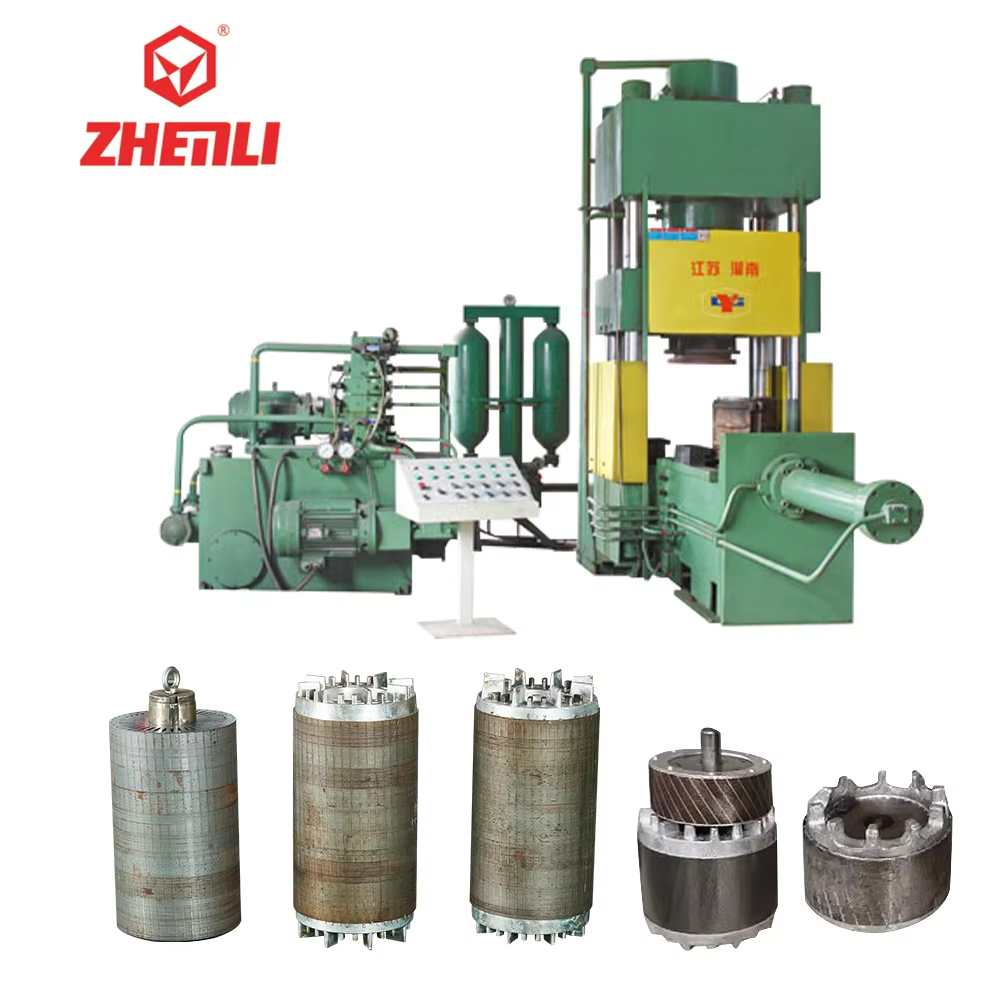
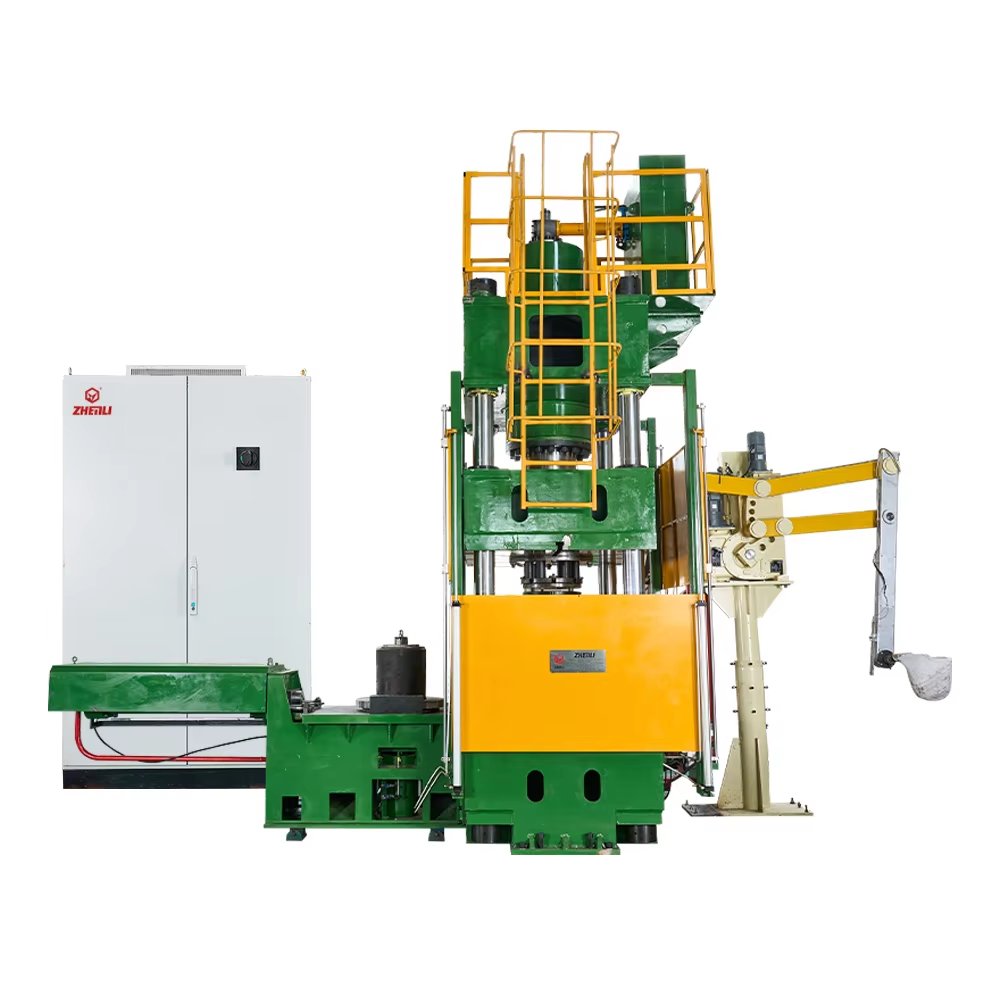
Low pressure casting is a precision manufacturing process that uses controlled low pressure (typically 0.05–0.2 MPa) to fill mold cavities with molten metal, minimizing turbulence, air entrapment, and defects—making it ideal for producing high integrity components from aluminum, magnesium, and copper alloys. Jiangmen Zhenli Machinery’s low pressure casting machine embodies this process’s advantages, featuring a modular design that adapts to diverse applications, from automotive wheel rims and engine cylinder heads to aerospace structural parts and electrical motor housings. The machine’s key component is a sealed crucible furnace integrated with a pressure control system, which delivers molten metal through a riser tube to the mold cavity with exceptional stability. The pressure is ramped up gradually and held constant during filling, ensuring complete mold penetration even for parts with thin walls (as low as 3 mm) and complex internal channels. The mold clamping unit, available in tonnages from 100 to 3000 tons, utilizes a hydraulic or mechanical drive system with precise positioning accuracy (±0.01 mm), maintaining mold alignment to prevent flash and ensure dimensional consistency. Equipped with an intelligent touchscreen controller, the machine offers full process visualization, allowing operators to monitor and adjust pressure curves, temperature profiles, and cycle times in real time. Data logging and analytics capabilities enable process optimization and predictive maintenance, reducing unplanned downtime by up to 30%. Zhenli’s low pressure casting machine supports both gravity assisted and pressure enhanced filling modes, providing flexibility for different material viscosities and part designs. Customization options include automated mold spraying systems, robotic part extraction, and inline quality inspection integration (such as vision systems for surface defect detection). Compliance with ISO 14001 (environmental management) and CE standards reflects the machine’s energy efficiency—featuring insulation for the crucible furnace and regenerative heat recovery—and safety features, including leak detection sensors and emergency shutdown systems. The company’s one stop service includes technical feasibility studies, mold design consultation, sample production validation, and global logistics support, with installation and commissioning conducted by certified technicians. With over 20 years of experience in low pressure casting technology, Zhenli’s machine delivers a defect rate of less than 0.5% for critical components, making it a trusted solution for manufacturers prioritizing part quality, material efficiency (reducing waste by 10–15%), and scalability in high volume production across global markets.

Frequently Asked Questions

What is the benefit of low pressure die casting machines here?

Low pressure die casting machines reduce defects in cast parts. Molten aluminum flows slowly and evenly into molds under low pressure, minimizing turbulence. This avoids air bubbles, shrinkage holes, and cracks—critical for engine blocks (needing leak proof performance) and wheel weights (needing shape consistency). It also improves part strength and production consistency.

Related Articles

What Are the Key Advantages of Modern Aluminum Die Casting Machines?

27

Oct

What Are the Key Advantages of Modern Aluminum Die Casting Machines?

Precision and Dimensional Accuracy in Aluminum Die Casting Machine Operations Modern aluminum die casting machines deliver ±0.25mm dimensional tolerances, enabling sub-millimeter precision essential for aerospace components and medical devic...
View More
What Factors Determine the Choice of Metal Casting Machinery?

27

Oct

What Factors Determine the Choice of Metal Casting Machinery?

Casting Method and Compatibility with Metal Casting Machinery How Different Casting Methods Influence Machinery Requirements What kind of casting gets chosen really affects what sort of machinery ends up being needed for metal casting operations, e...
View More
Why Consider a Supplier with Both R&D and Production Capabilities?

27

Oct

Why Consider a Supplier with Both R&D and Production Capabilities?

Faster Innovation and Shorter Time to Market Integration of R&D and production systems for faster innovation cycles Integrated R&D and production systems eliminate costly handoffs between teams, creating a closed-loop feedback process. Engineers ga...
View More
What Should You Look for in an Injection Molding Machine Supplier?

27

Oct

What Should You Look for in an Injection Molding Machine Supplier?

Evaluate Machine Specifications Aligned with Your Product Design Picking the right injection molding machine for a specific product design means looking at three main specs: clamping force measured in tons, injection volume in ounces or cubic centi...
View More

customer evaluation

Frankie

Key components (hydraulic cylinder, mold) are high quality steel. We’ve used it 3 years, and parts still work like new. The supplier offers a 5 year warranty on major components, which is reassuring. It’s a reliable long term investment for our factory.

Get a Free Quote

Our representative will contact you soon.
Email
Mobile/WhatsApp
Name
Company Name
Message
0/1000
High Precision for Complex Auto Components

High Precision for Complex Auto Components

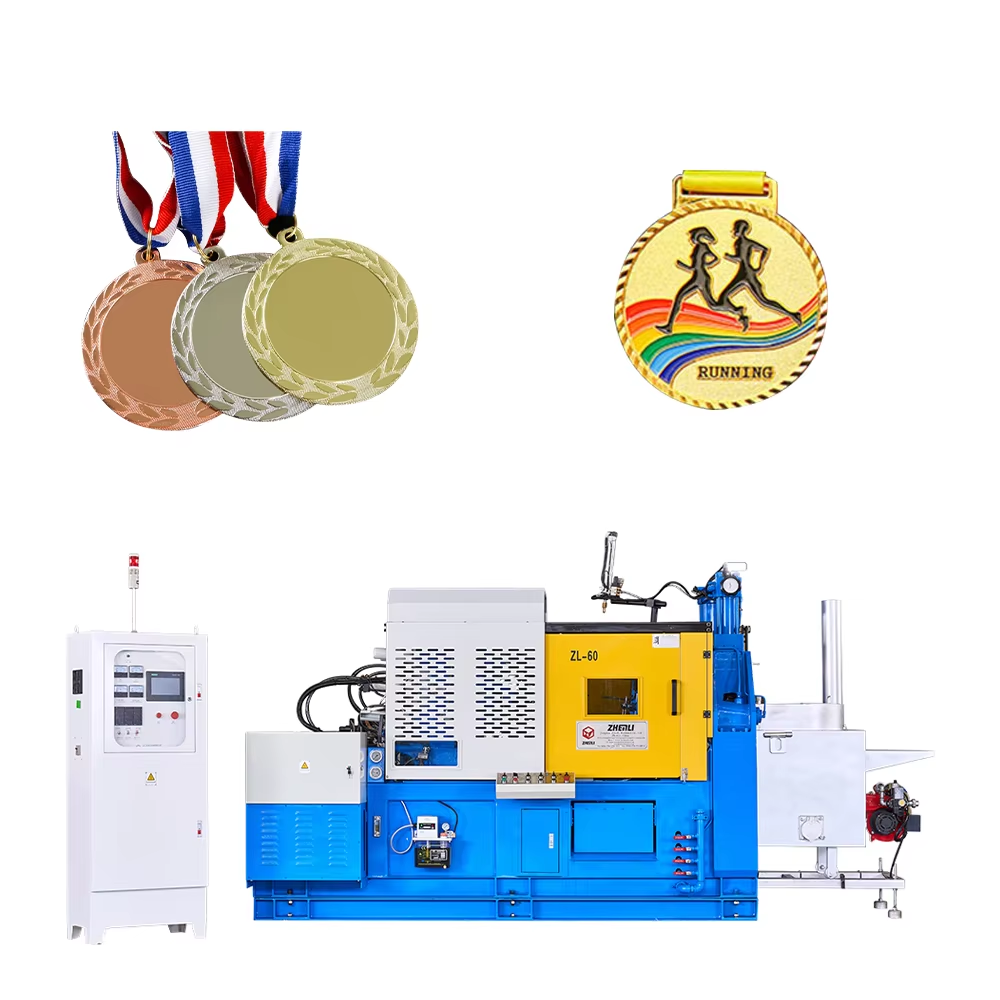
This die casting machine excels at producing complex, high precision parts like aluminum engine blocks and gear housings. It achieves a tolerance of ±0.02mm for critical features (such as engine cylinder bores) and maintains consistent dimensional accuracy across large batches. The machine’s advanced plunger control ensures molten metal fills mold cavities evenly, avoiding thin spots or overflows. This precision meets the strict requirements of the automotive industry, where even small deviations can affect engine performance or part fitment.
Fast Cycle Time to Improve Productivity

Fast Cycle Time to Improve Productivity

With a cycle time as short as 2 minutes per part (for standard engine blocks), this machine outperforms traditional die casters by 30–40%. It heats up quickly (reaching operating temperature in 30 minutes) and uses an efficient cooling system to speed up part solidification. For factories running 12 hour shifts, this translates to a daily output of 1,400–1,600 parts—up from 900–1,100 with older machines. The fast cycle time helps meet high volume orders without extending working hours.
Durable Components for Long Service Life

Durable Components for Long Service Life

All critical components are built to withstand the harsh conditions of die casting. The mold is made of H13 hot work tool steel, which resists wear and thermal fatigue, lasting up to 100,000 casting cycles before needing repair. The hydraulic system uses high pressure hoses and seals that handle repeated pressure changes without leaks, and the heating element is a nickel chromium alloy that maintains consistent heat output for years. Most users report 3–5 years of trouble free operation with regular maintenance.
WhatsApp WhatsApp
WhatsApp
Email Email Inquiry Inquiry TopTop