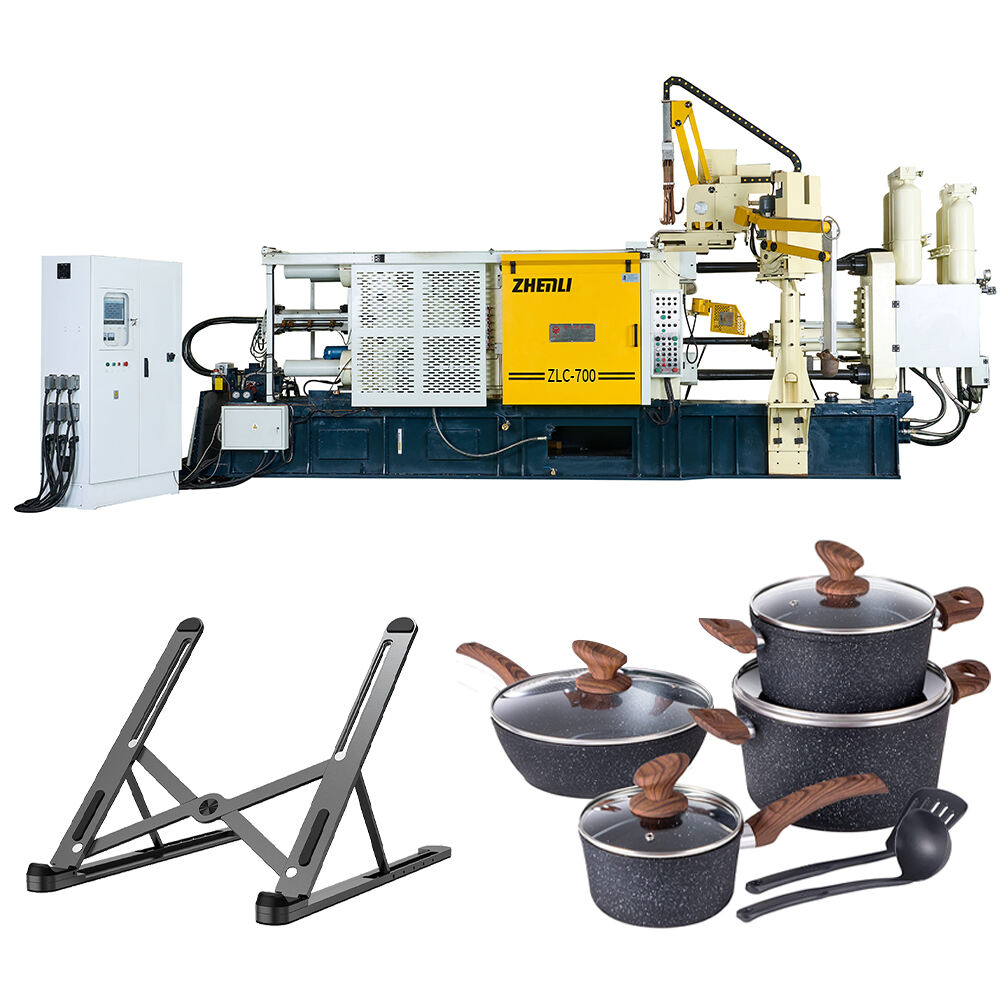
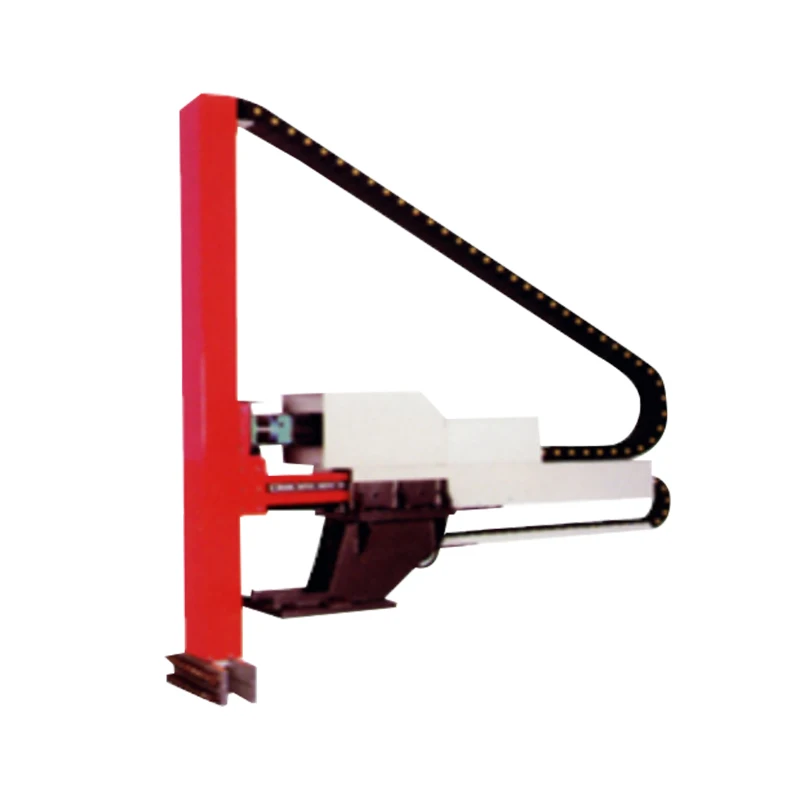
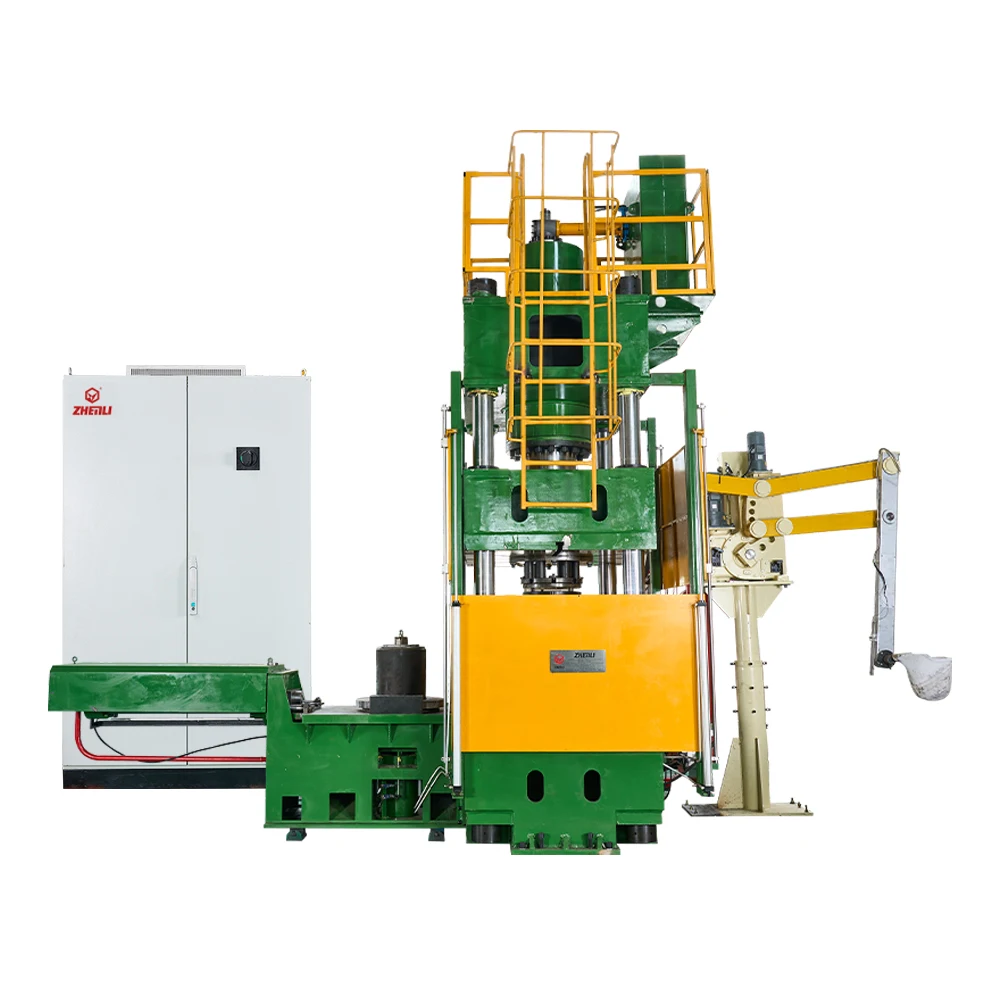
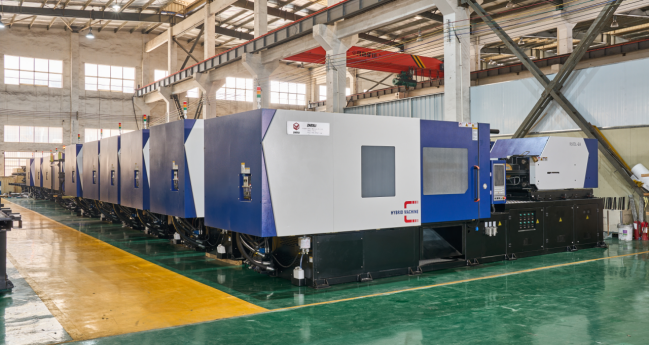
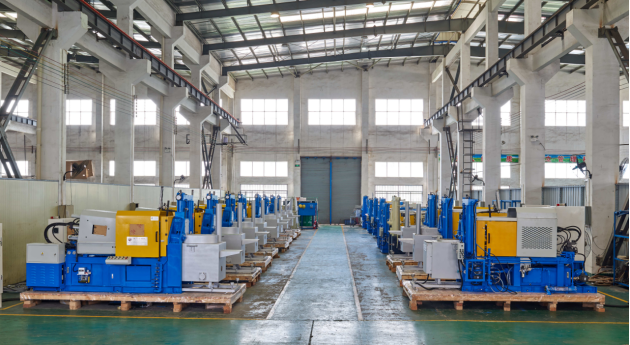
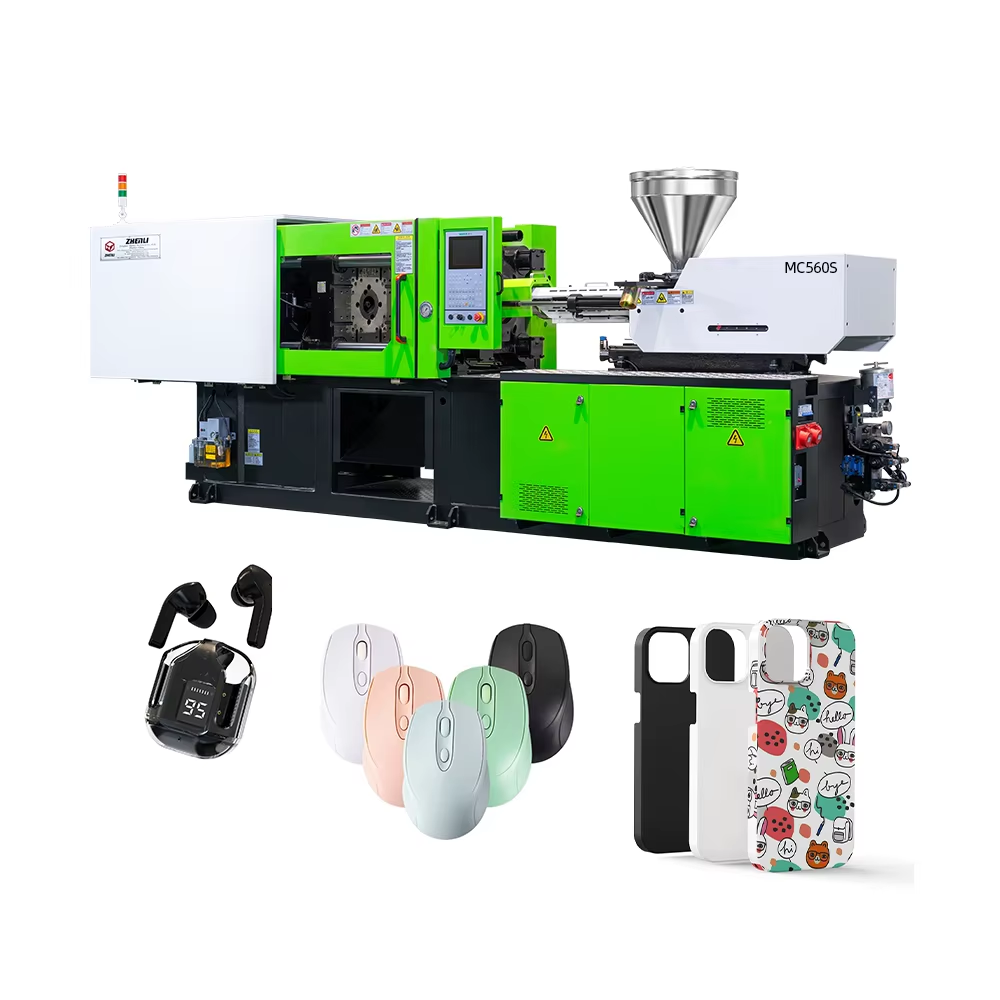
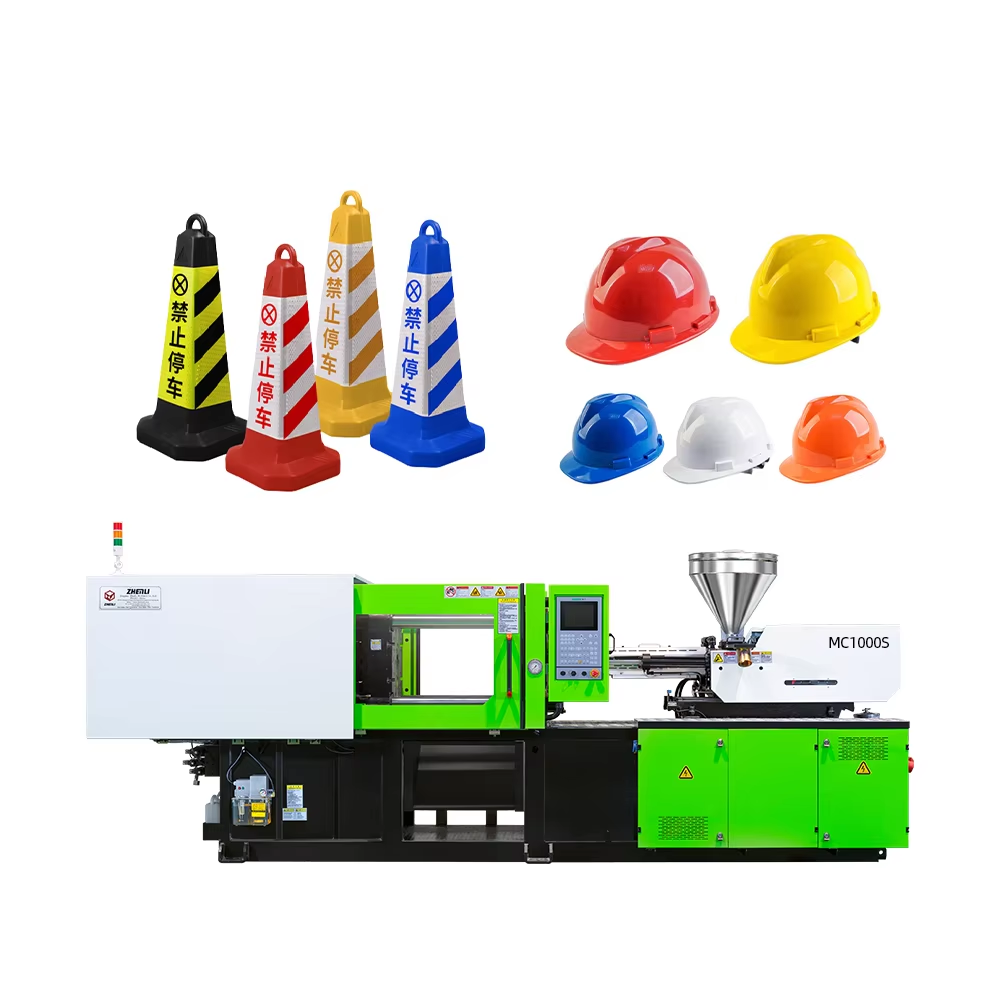
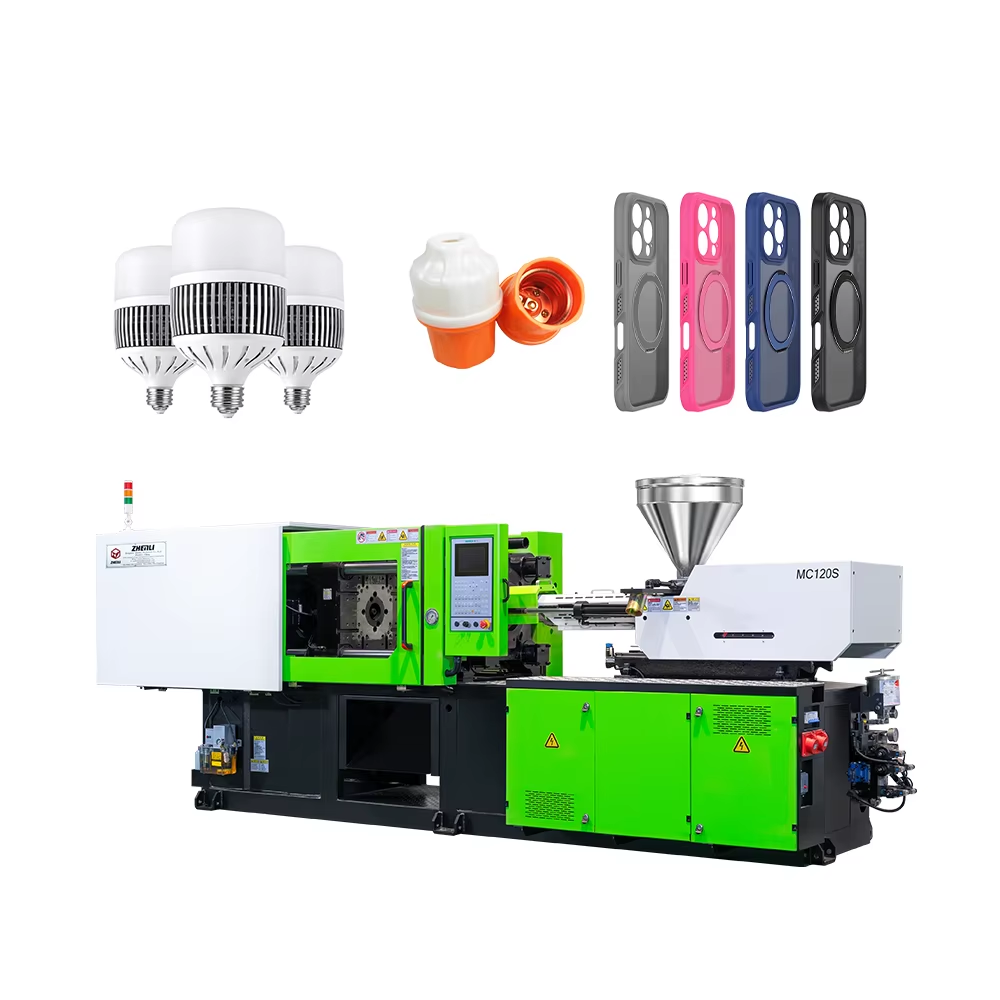
Semi automatic injection molding machines blend manual and automated operations, requiring operator intervention for tasks such as part removal, mold cleaning, or loading inserts, while automating core functions like injection, clamping, and ejection. These machines are ideal for low to medium production volumes, prototyping, or applications involving delicate parts that need careful handling, offering flexibility and lower initial costs compared to fully automatic systems, typically ranging from $15,000 to $80,000 depending on tonnage and features. They commonly use hydraulic or hybrid drives for reliable performance, with basic PLC controls for setting parameters like injection pressure, temperature, and cycle times. Advantages include ease of setup and customization for short runs, reduced complexity in maintenance, and the ability to accommodate various materials, including engineering plastics and elastomers. However, they may have slower cycle times due to manual steps and higher labor costs. Modern semi automatic machines incorporate safety enhancements such as light curtains and two hand controls to protect operators, along with user friendly interfaces for quick changeovers. Applications include medical device manufacturing, where manual inspection is critical, and educational settings for training purposes. When selecting a semi automatic machine, key factors include the level of automation desired (e.g., optional robotic integration), compatibility with mold types, and training requirements for operators. Despite the trend towards full automation, these machines remain valuable for niche markets that prioritize adaptability and cost efficiency.