Jiangmen Zhenli Machinery: Injection Machine Moulds & Integrated Molding Equipment Solutions
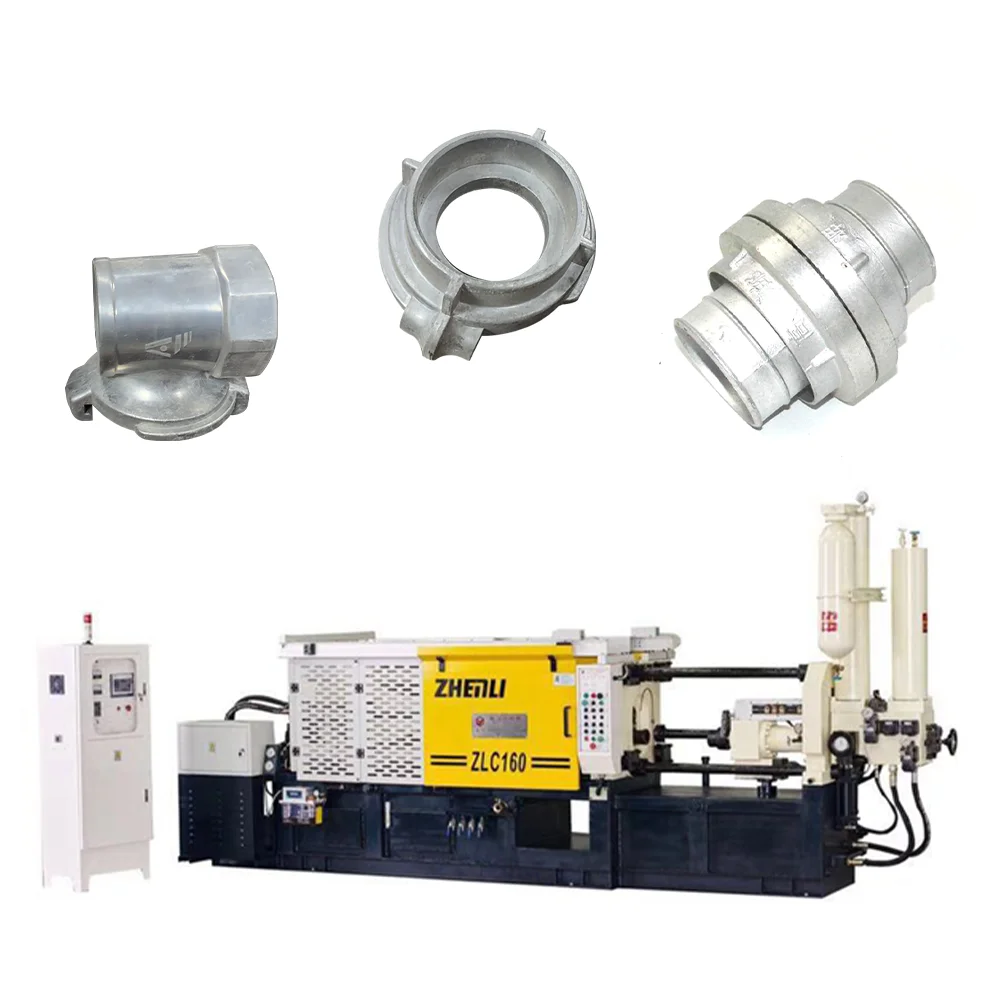
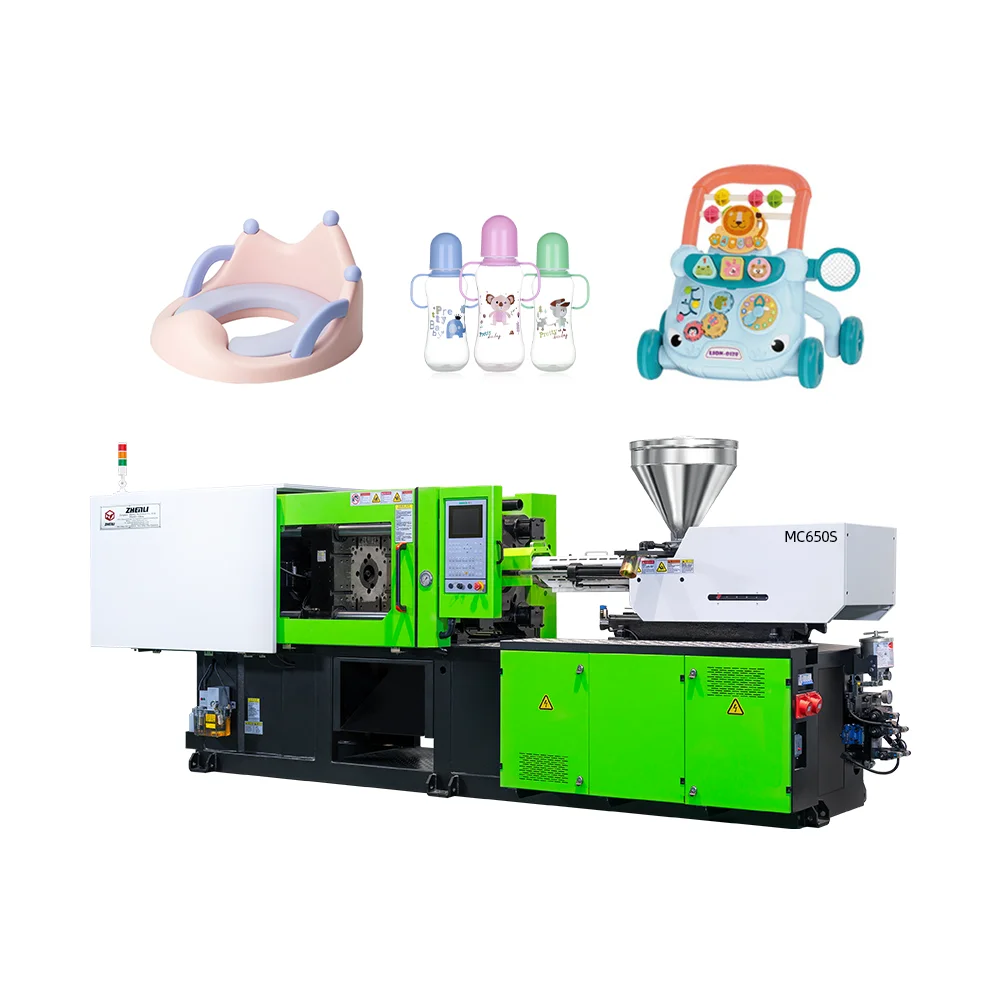
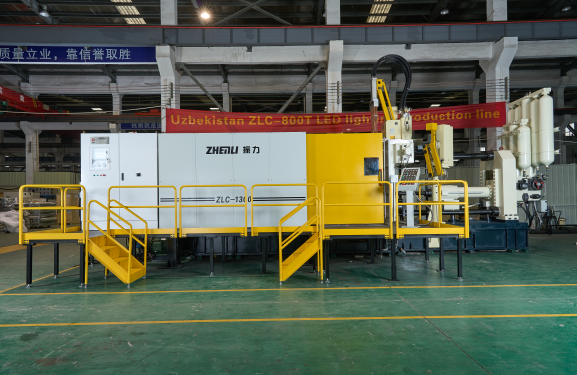
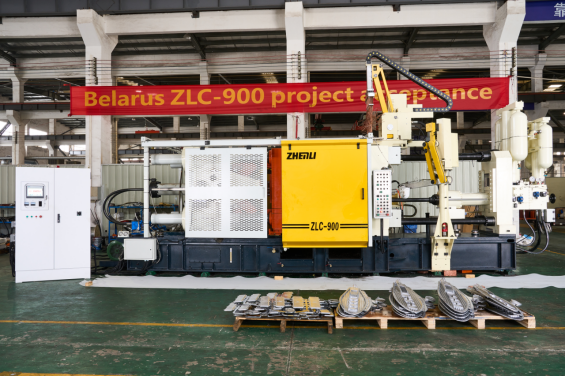
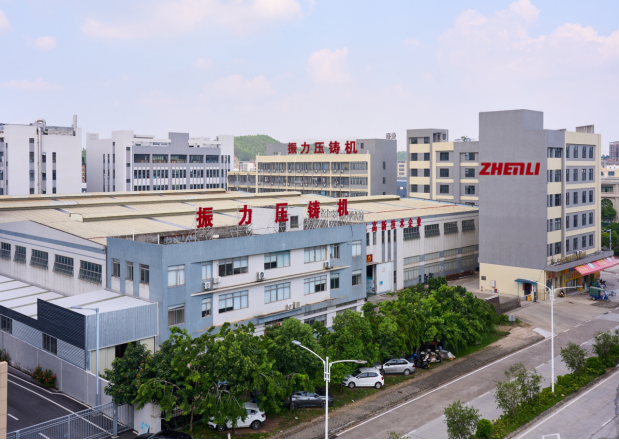
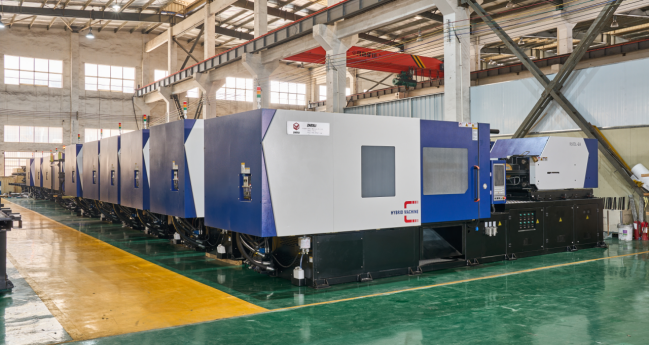
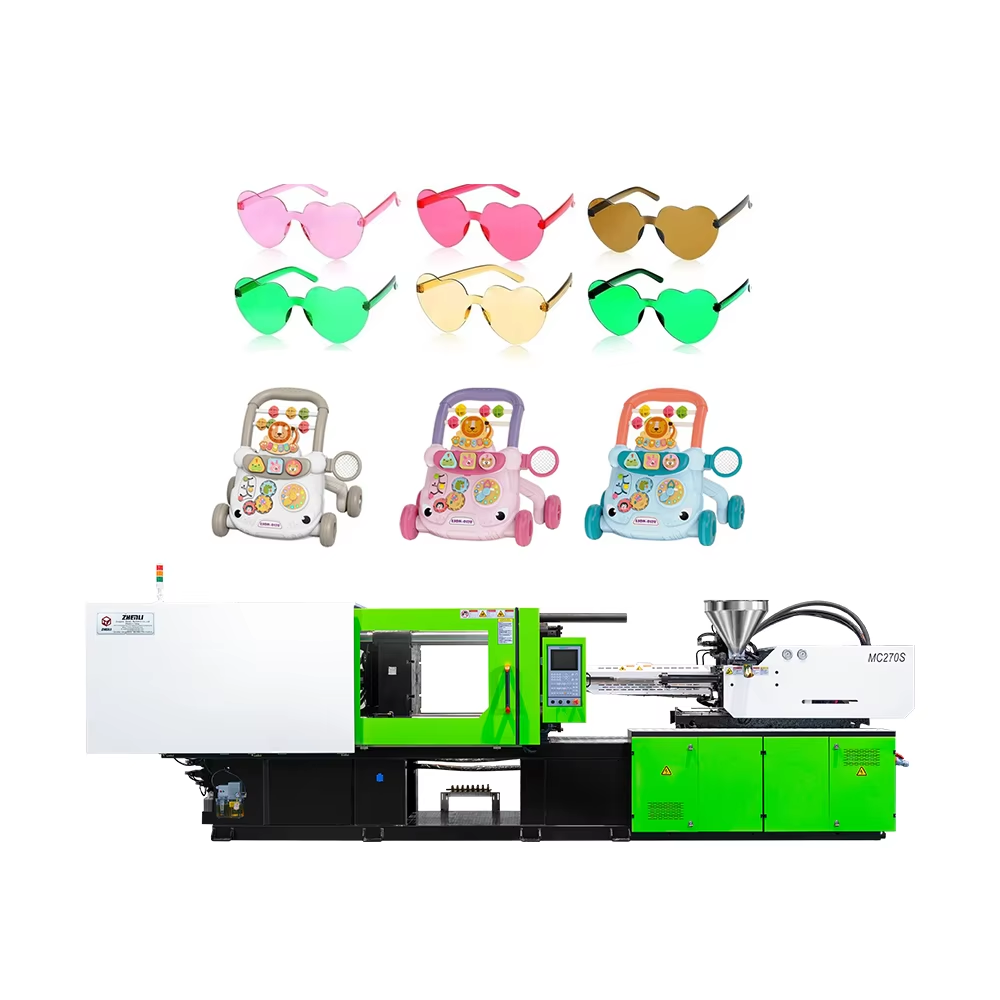
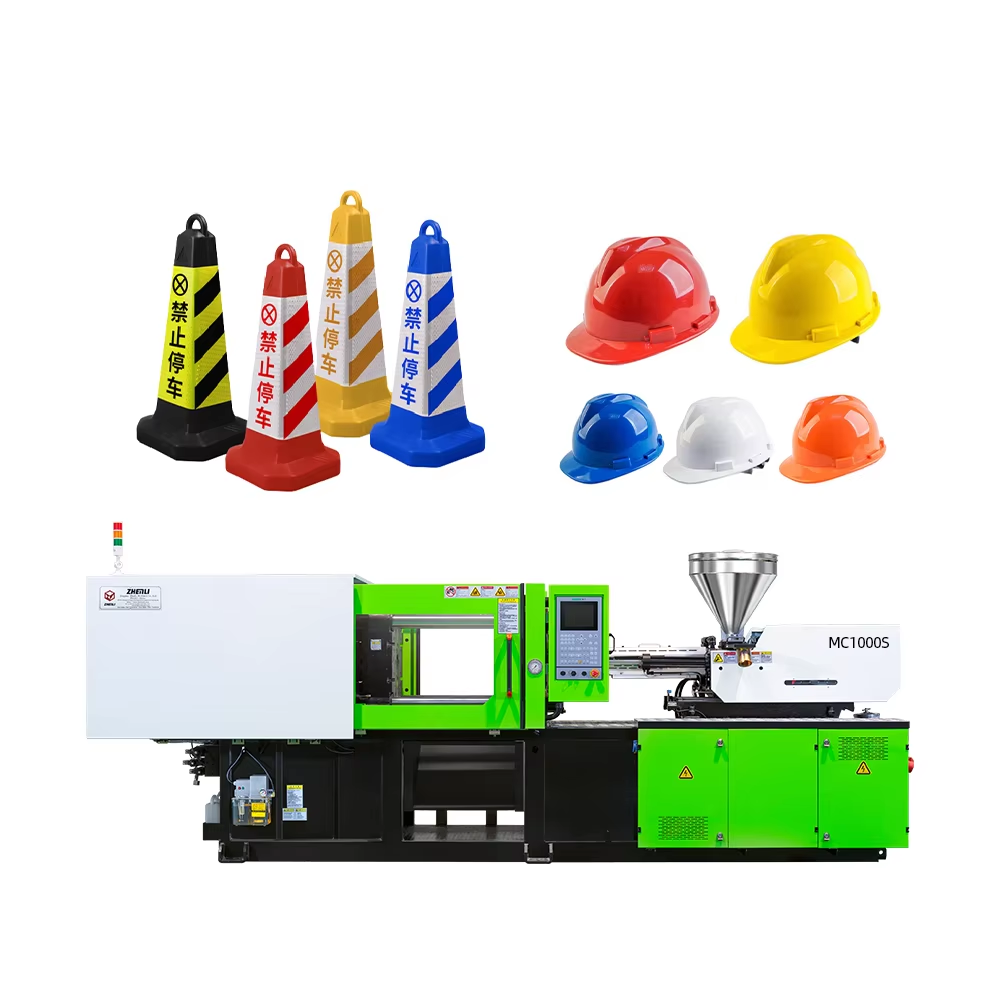
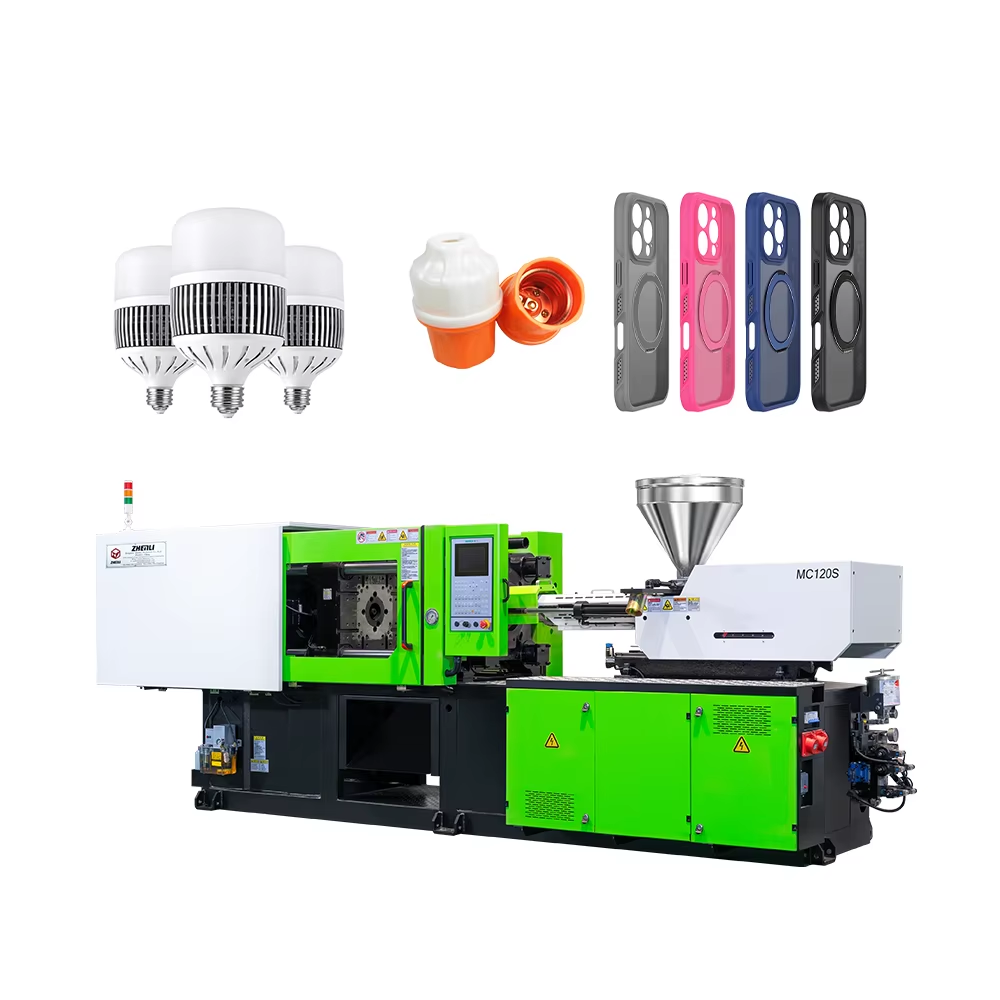
Jiangmen Zhenli Machinery Co., Ltd. offers high-precision injection machine moulds alongside its core molding equipment (die casting machines, plastic injection machines). The moulds are compatible with the company’s injection machines, featuring strict quality control and customization options (drawing-based design) to meet diverse part requirements. Backed by ISO 9001 certification, the moulds ensure dimensional accuracy and durability, paired with the company’s one-stop services: technical consulting, mould design optimization, sample testing, and post-sales support. With a 20,000 ㎡ factory, over 20 CNC precision machines, and sales in 50+ countries, Zhenli integrates mould supply with machine manufacturing, providing turnkey solutions for automotive, electrical, and industrial molding applications, ensuring seamless production and consistent quality.
Get A Quote
 EN
EN