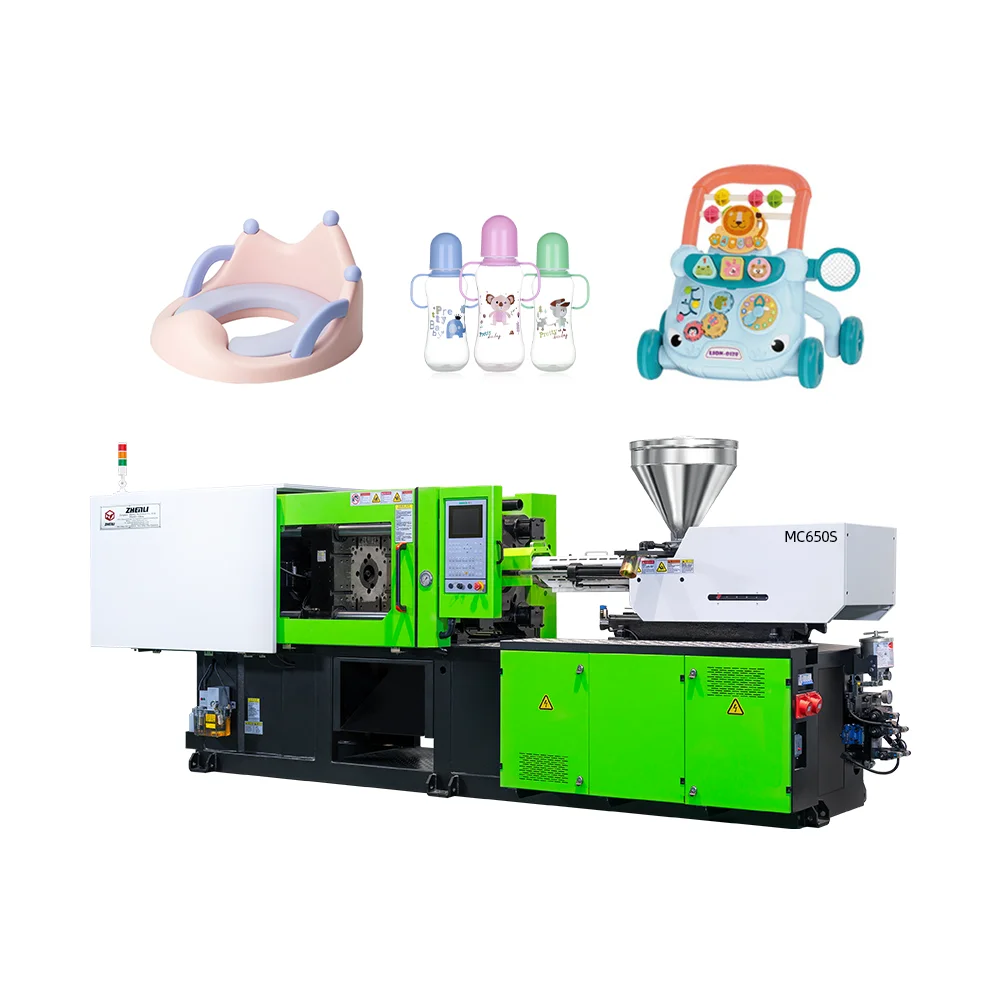
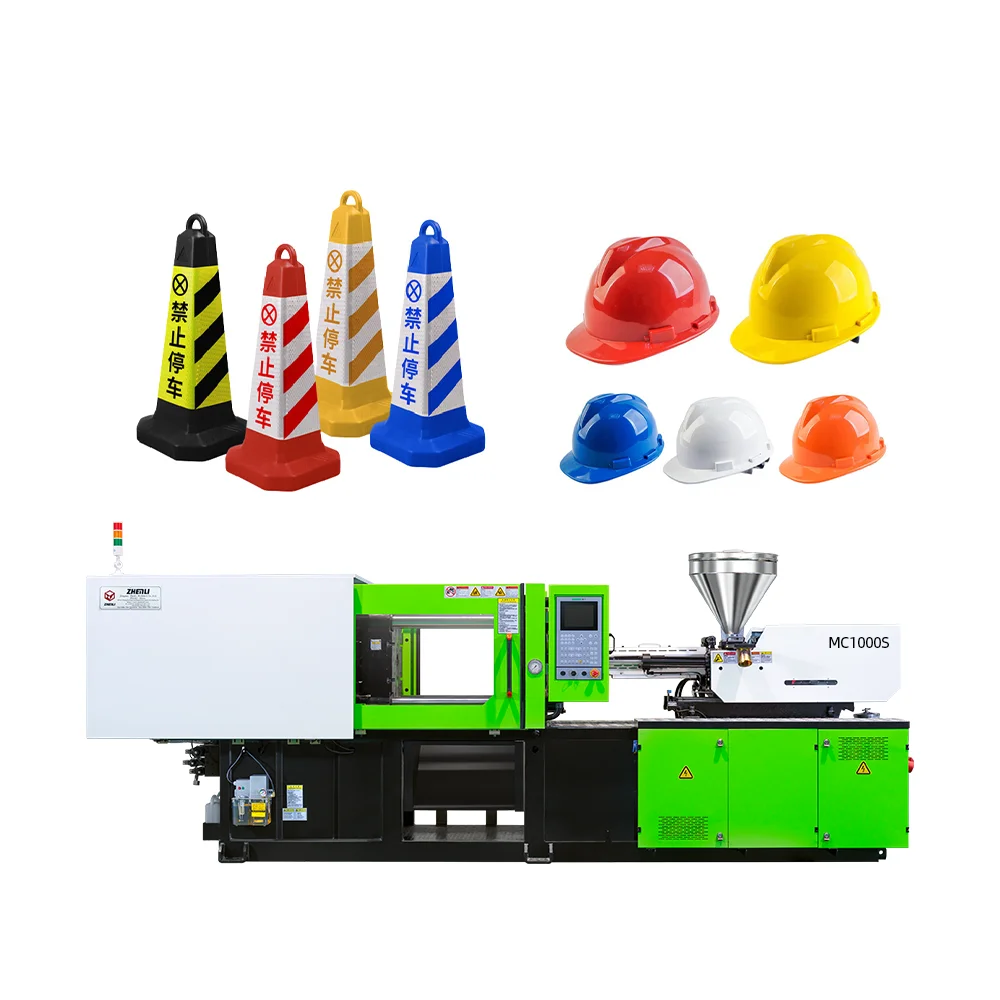
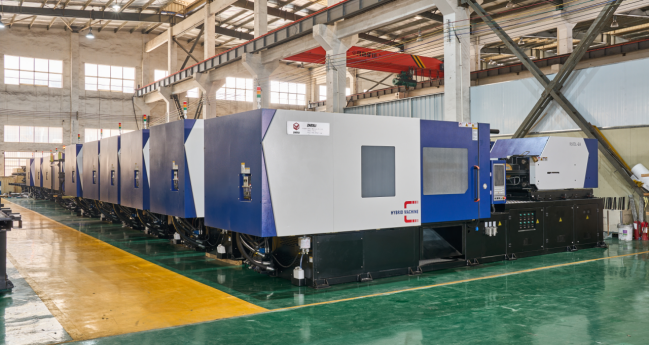
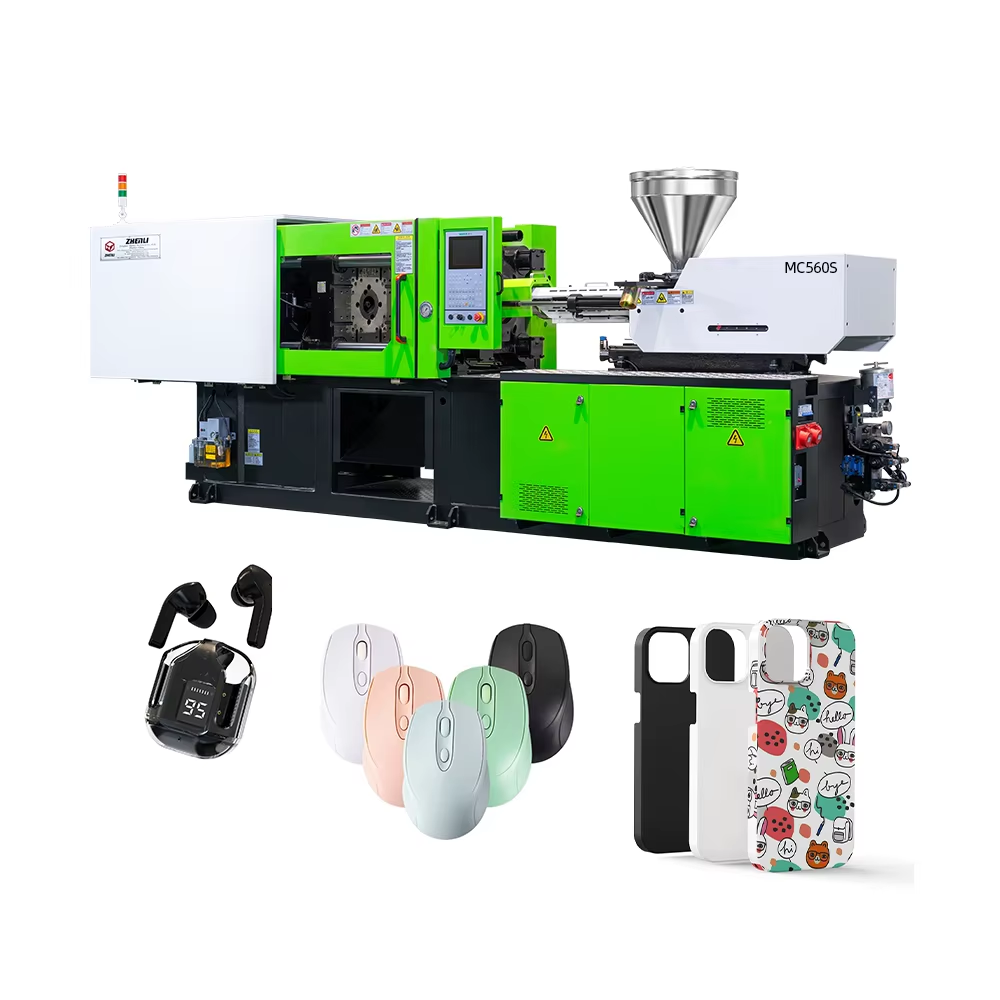
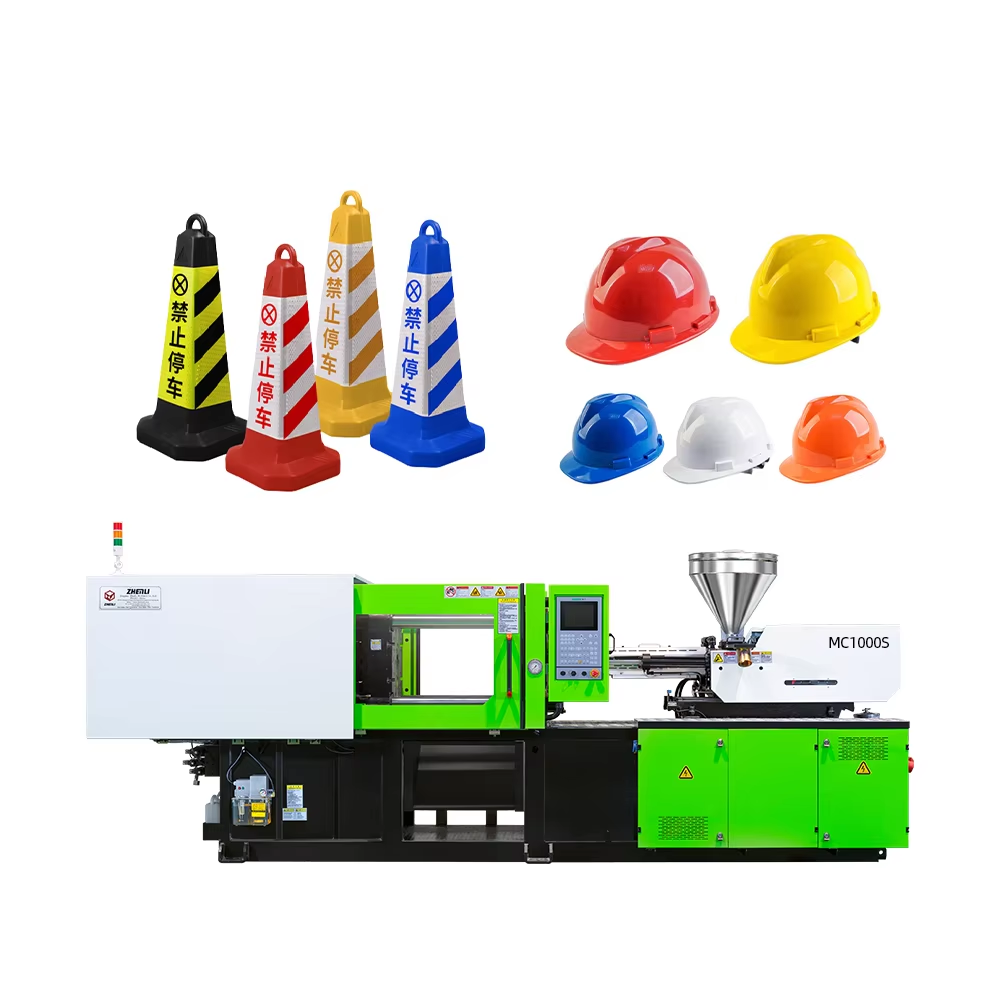
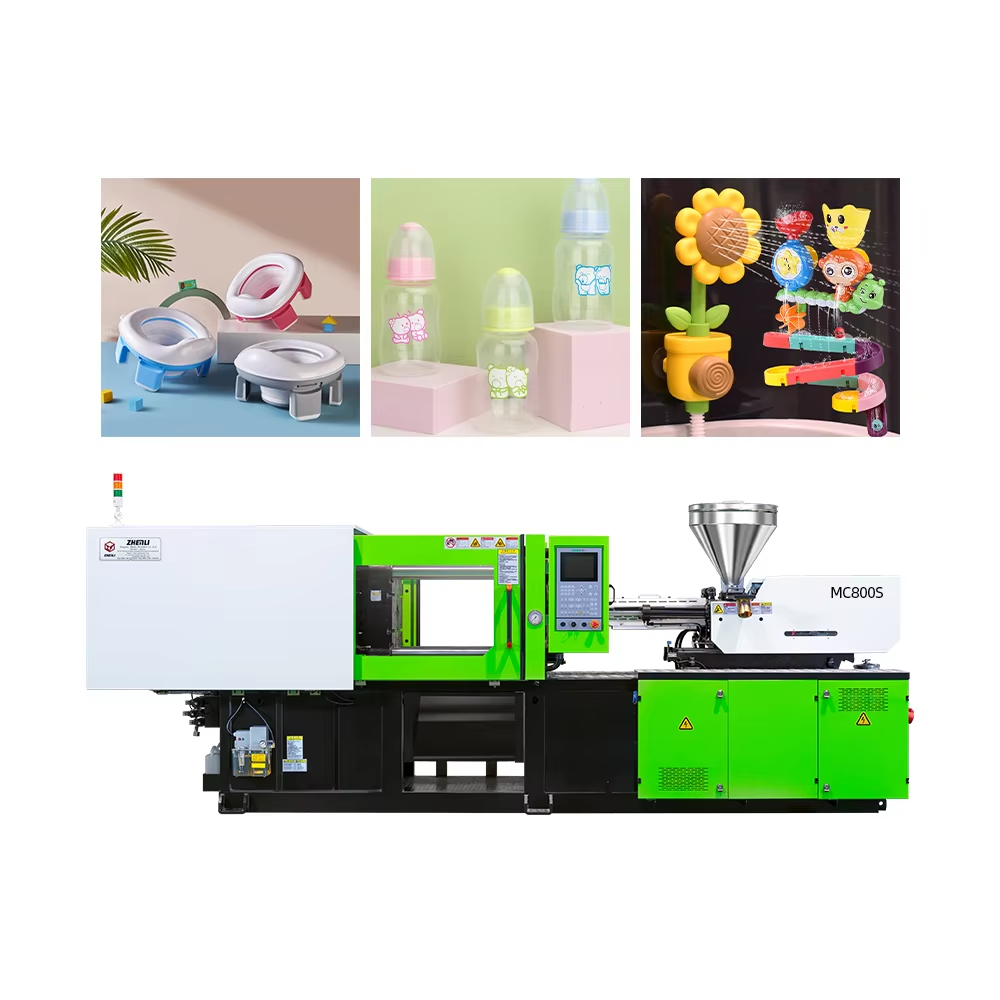
A PET preform injection molding machine represents the synthesis of mechanical engineering and polymer science, tailored for the high volume manufacturing of PET preforms. This equipment is distinguished by its capability to process PET, a material requiring stringent processing parameters to achieve the desired mechanical and optical properties in the final bottle. The machine's injection system is engineered with a screw designed for gentle plastification to minimize shear induced molecular degradation, which preserves the Intrinsic Viscosity (IV) of the PET—a critical factor for the bottle's pressure resistance and top load strength. The entire process is orchestrated within a thermally stable environment; the barrel zones, nozzle, and hot runner system are maintained within a narrow temperature window to prevent premature crystallization or thermal degradation. The mold, often a complex assembly of hardened steel with beryllium copper inserts for efficient heat extraction, is a masterpiece of engineering. It features precision cooling channels and valve gated hot runner nozzles that ensure each cavity fills simultaneously and uniformly, critical for maintaining consistent preform weight and wall thickness. The clamping mechanism, whether toggle or direct hydraulic, must deliver sufficient force to keep the mold tightly sealed during injection, with modern machines favoring energy efficient servo electric or hybrid drives for their precision and lower operating costs. A key operational sequence is the coining phase, where the neck finish of the preform is held under high pressure during cooling to guarantee its dimensional accuracy for subsequent capping operations on the bottling line. Quality assurance is embedded into the process through systems that monitor and record every shot's parameters, allowing for full traceability. When evaluating a PET preform injection molding machine, manufacturers must consider its scalability, ease of mold changeover for different preform designs, and its environmental footprint, including water usage for cooling and compatibility with bio based or recycled PET materials to meet global sustainability mandates.