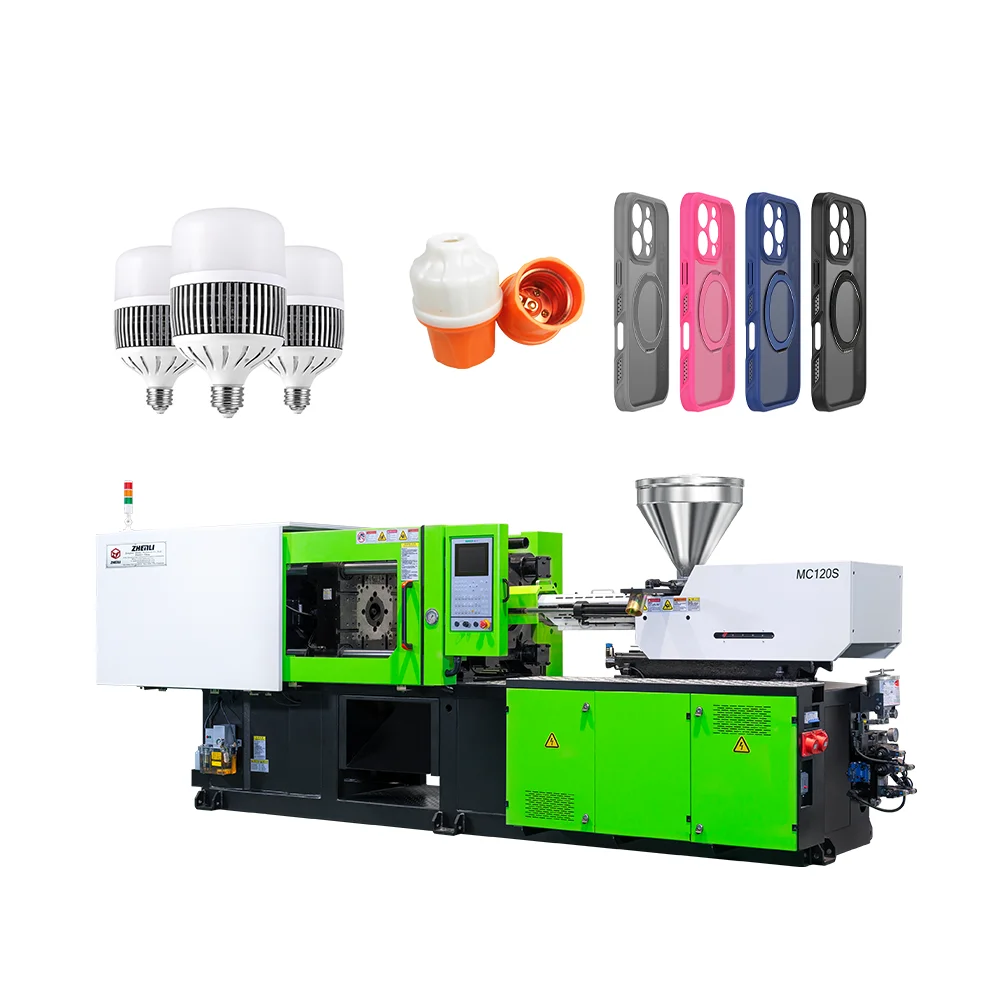
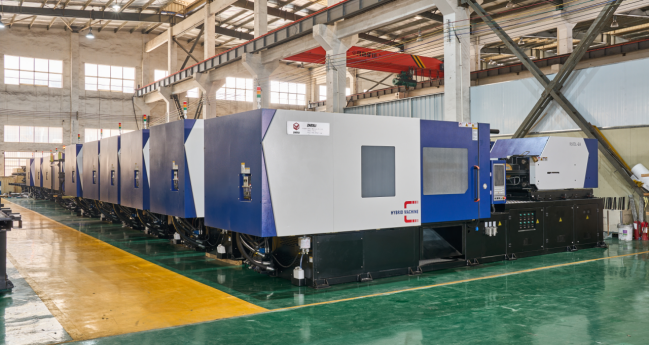
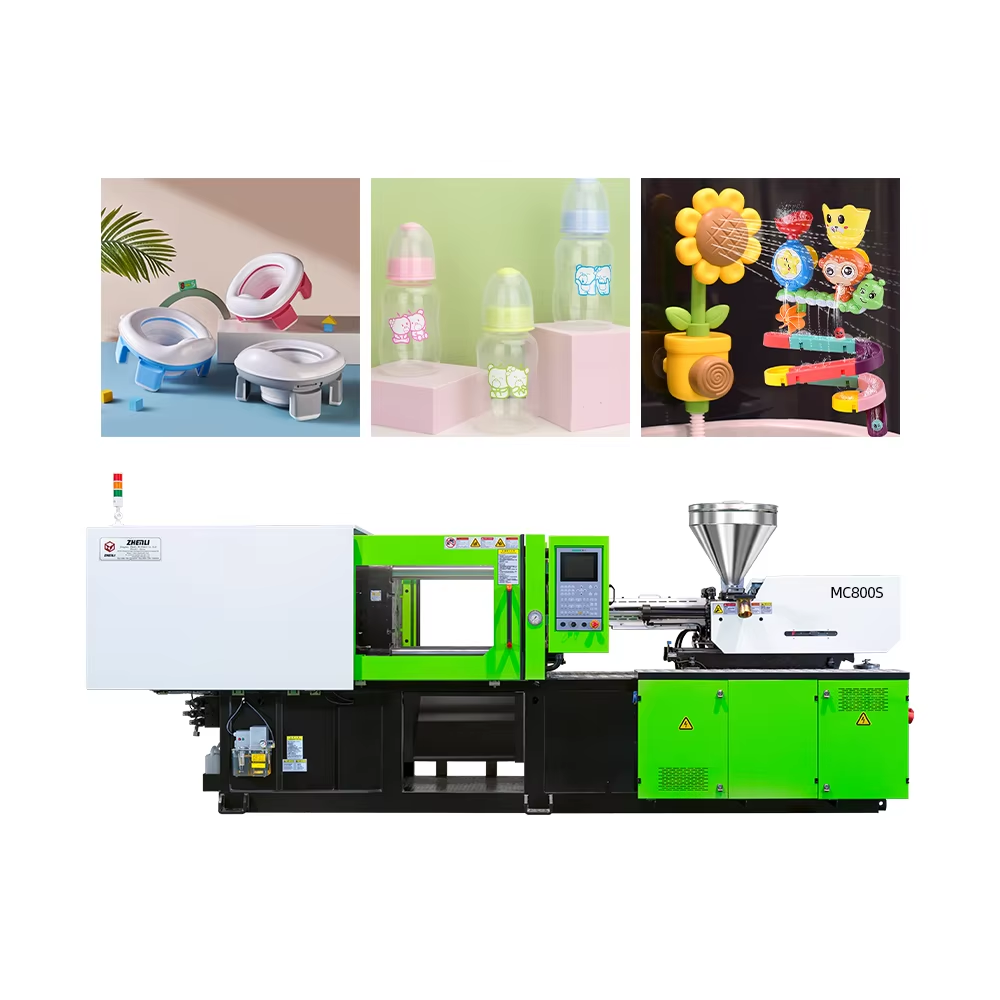
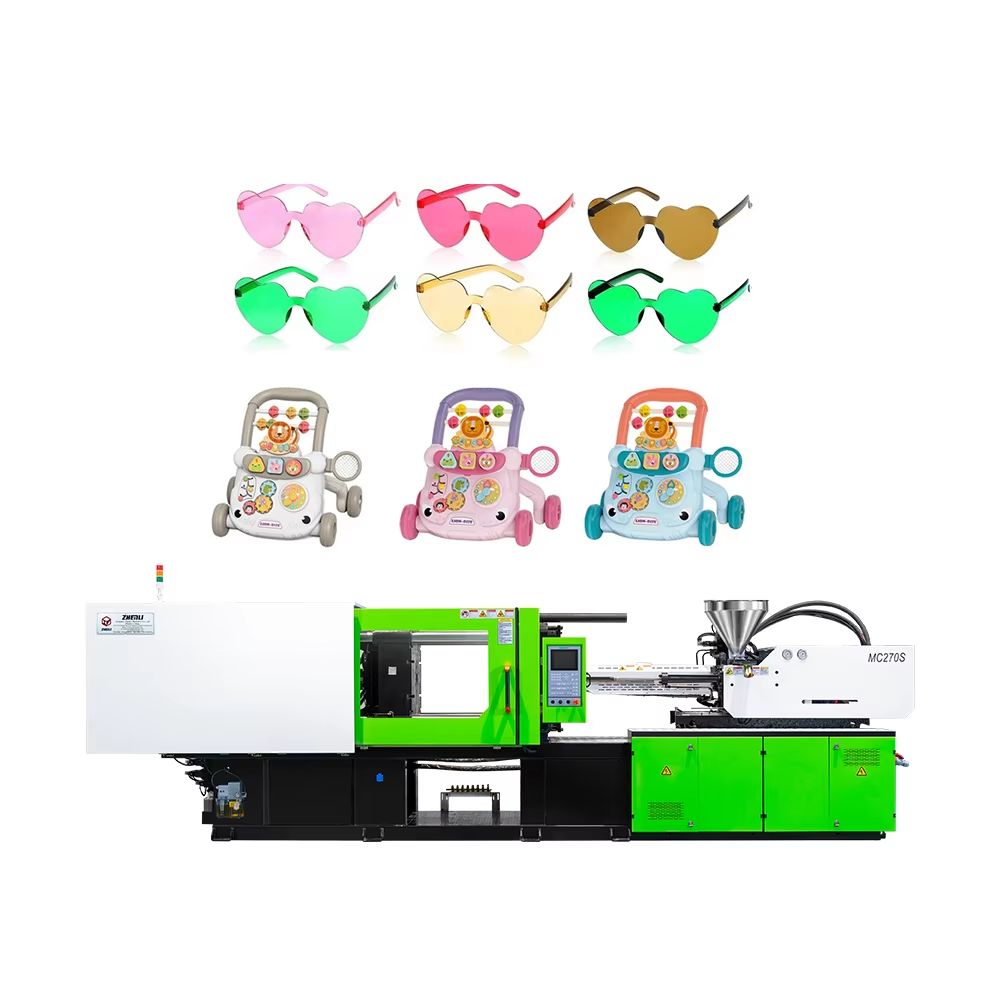
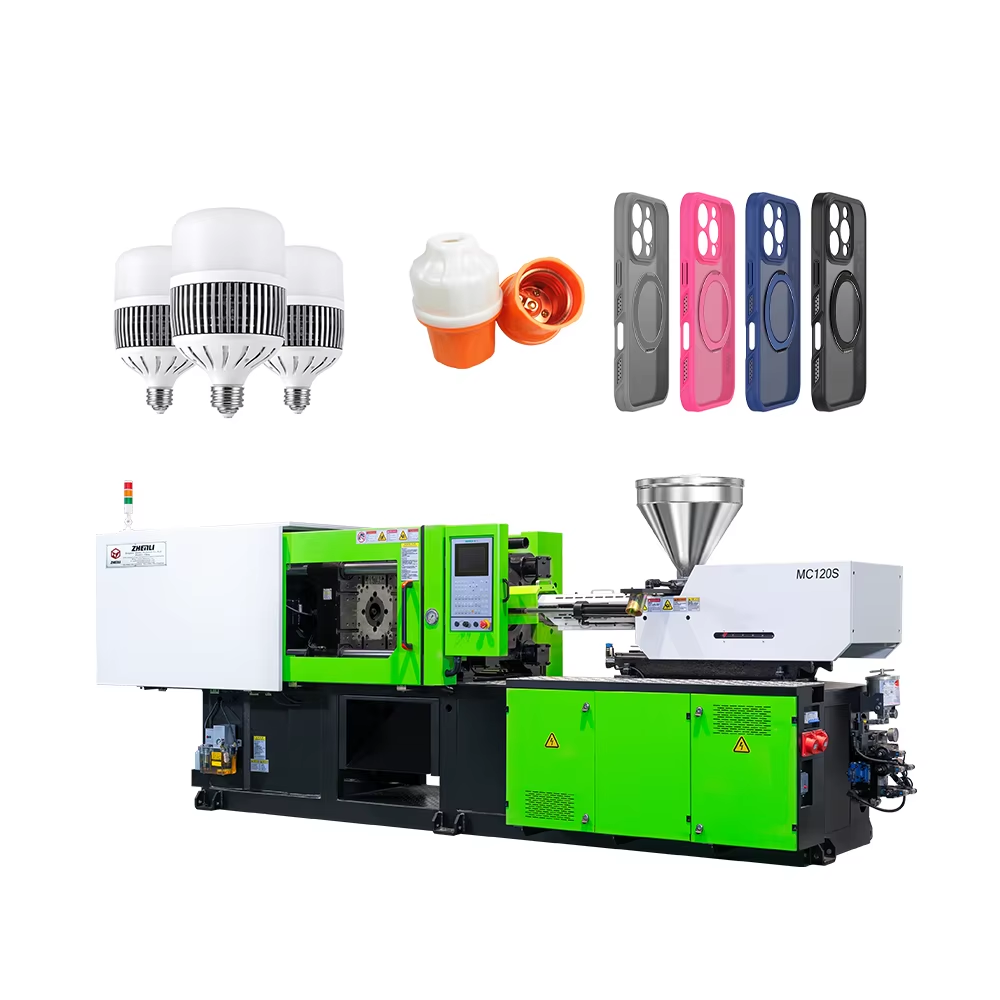
Plastic bottle injection molding machines are specialized systems designed for producing bottle preforms or containers using injection stretch blow molding (ISBM) processes, which involve injecting molten PET (polyethylene terephthalate) or other polymers into a mold to form preforms, then stretching and blowing them into final bottle shapes. These machines feature high precision injection units with reciprocating screws that ensure uniform melt consistency and controlled cooling to achieve optimal wall thickness and clarity. Key components include multi cavity molds for high output (e.g., 48 144 cavities), hydraulic or electric clamping systems with forces ranging from 50 to 300 tons to maintain mold integrity, and integrated stretch rod mechanisms for bidirectional orientation during blowing. Advanced models incorporate barrier screws to handle hygroscopic materials, vacuum degassing to remove moisture, and vision systems for quality inspection of defects like black spots or dimensional inaccuracies. The process demands strict control over parameters such as injection speed, pack pressure, and cycle time to minimize material waste and ensure compliance with food safety standards (e.g., FDA regulations). Applications span beverage, pharmaceutical, and personal care industries, where lightweight, recyclable bottles are essential. When investing in a plastic bottle injection molding machine, considerations include production capacity (e.g., cycles per hour), energy efficiency (e.g., all electric options for sustainability), and compatibility with recycling content. Prices vary from $100,000 to over $500,000 based on automation level and features, with lifecycle costs influenced by maintenance schedules and raw material variability.