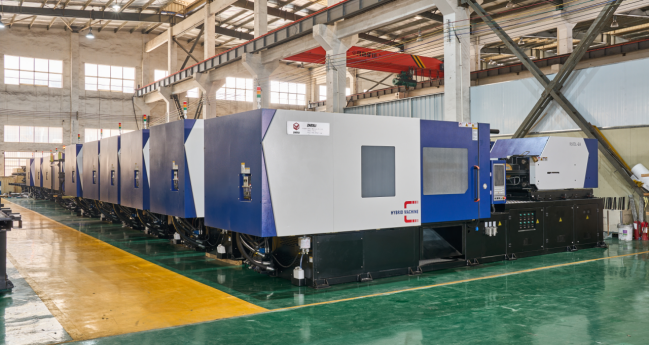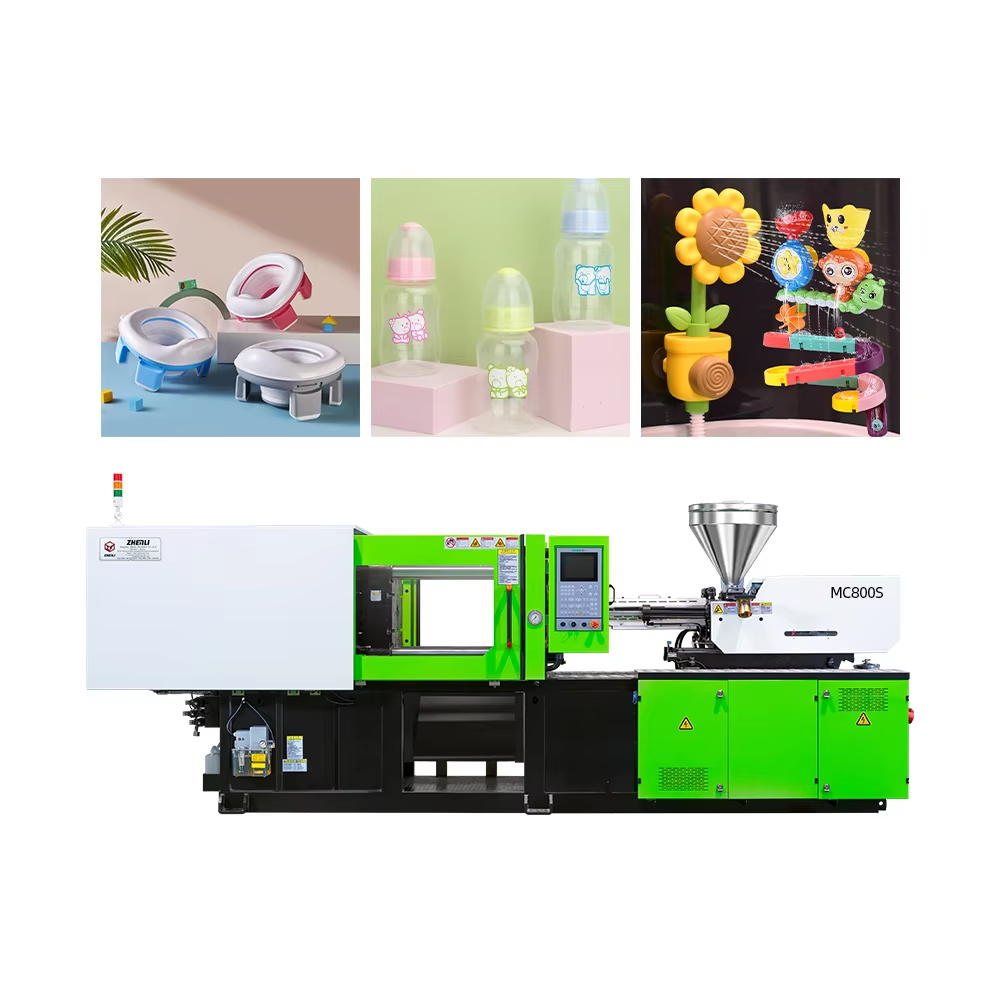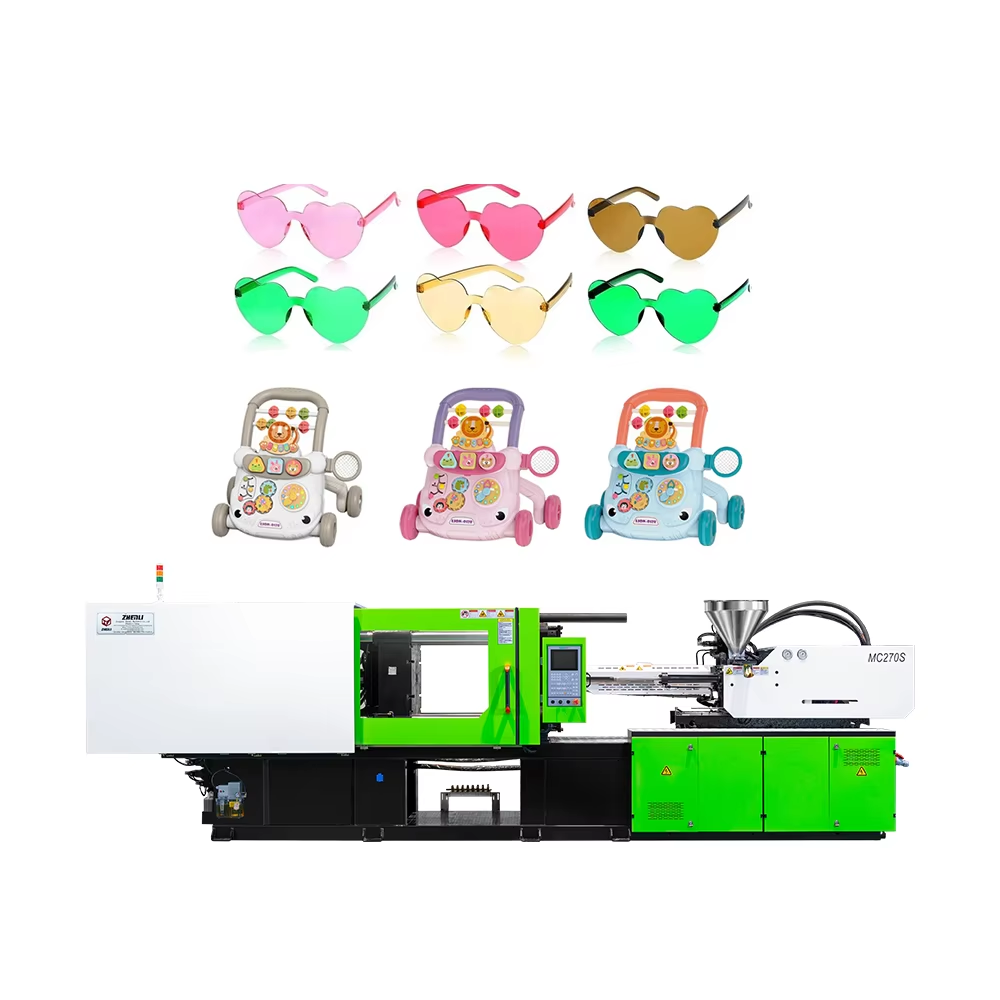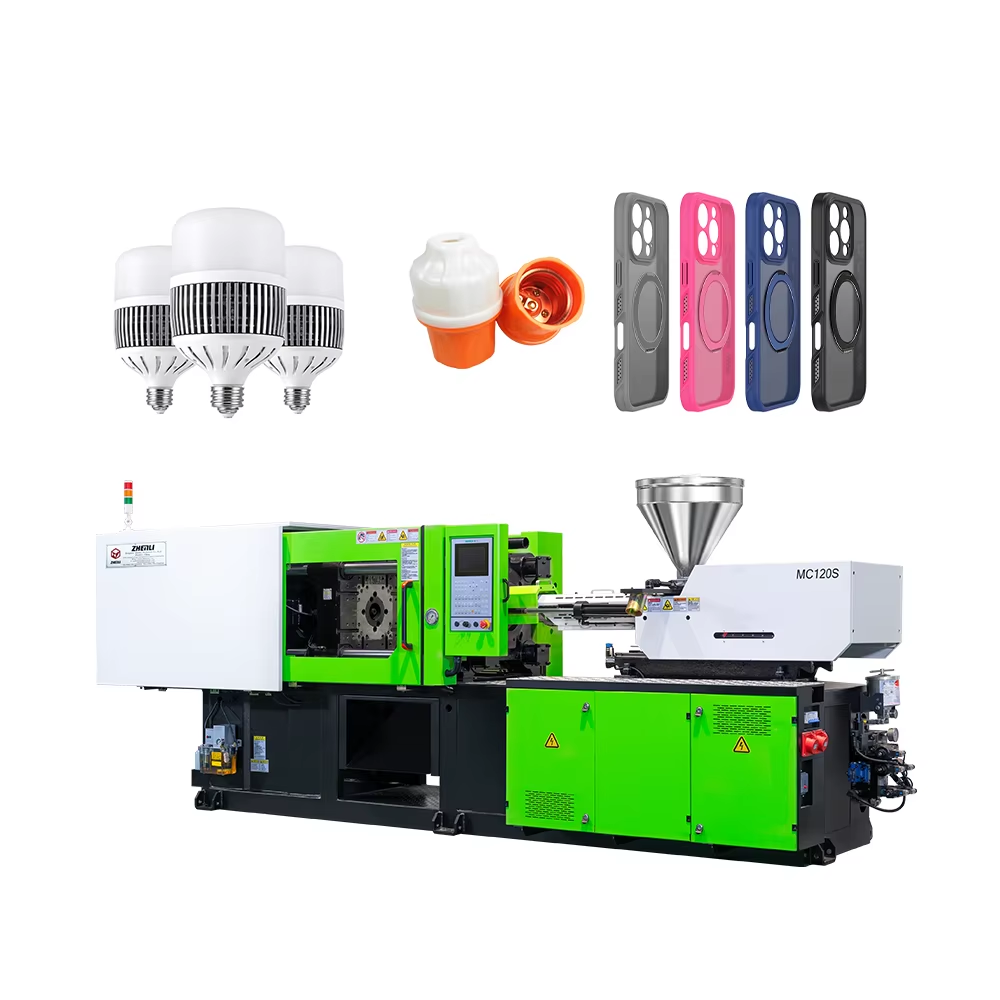
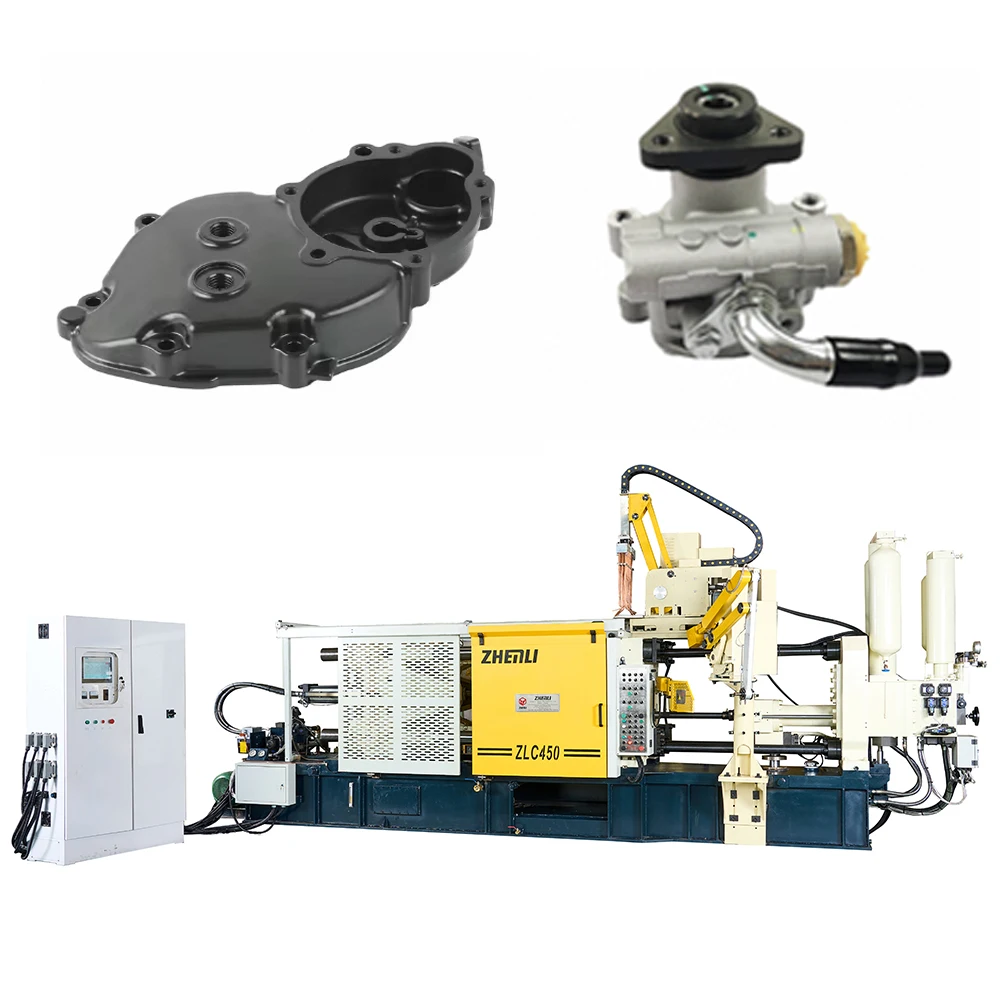
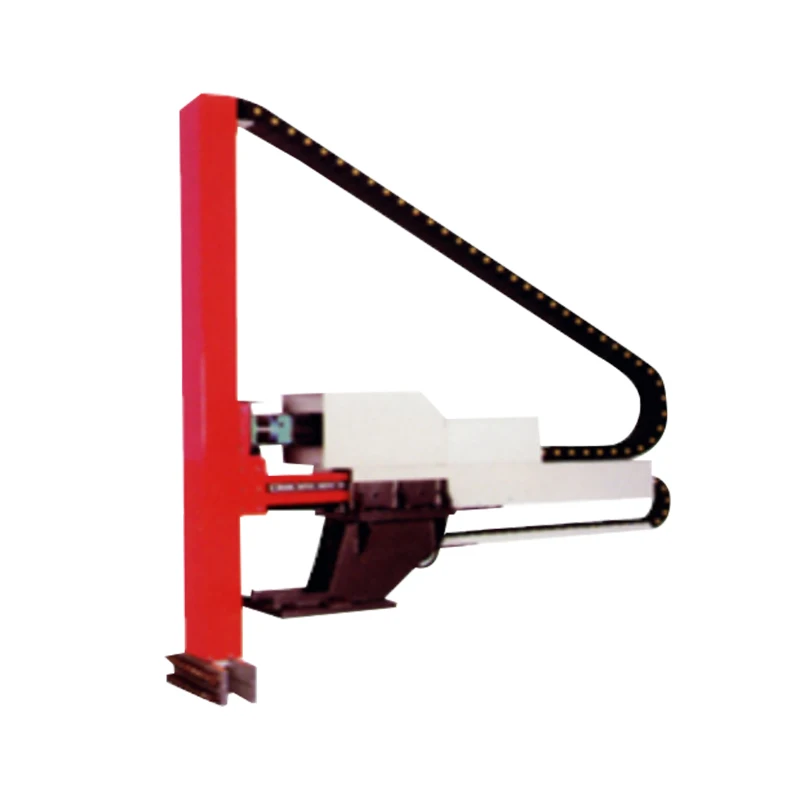
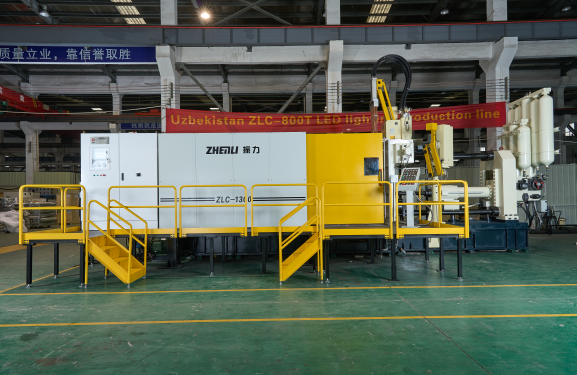
Hydraulic plastic injection molding machines are widely used in various industries due to their robustness, cost effectiveness, and ability to handle high clamping forces, making them suitable for processing a broad range of thermoplastics and thermosets. These machines operate using hydraulic systems powered by pumps that generate pressure to drive the injection unit, clamp mechanism, and ejector systems. Key advantages include their durability in demanding environments, simplicity of maintenance, and lower initial cost compared to electric models, typically ranging from $20,000 to $100,000 for standard capacities (50 500 tons). However, they consume more energy, produce higher noise levels, and may have slower response times, which can affect cycle efficiency and precision. Modern hydraulic machines incorporate improvements such as variable displacement pumps to reduce energy usage by 20 30%, advanced PID controllers for stable temperature and pressure regulation, and safety features like emergency stop buttons and guards compliant with OSHA standards. Applications include large part production (e.g., automotive bumpers) and materials with high viscosity, where the consistent power of hydraulic systems ensures complete mold filling. When selecting a hydraulic injection molding machine, factors to consider include the type of hydraulic fluid (e.g., biodegradable options for environmental compliance), cooling requirements to manage heat generation, and compatibility with auxiliary equipment. Regular maintenance, such as filter changes and seal inspections, is essential to prevent leaks and ensure longevity. Despite the shift towards electric machines, hydraulic models remain popular in cost sensitive markets and for applications requiring high torque and force.