Jiangmen Zhenli Machinery: High-Quality EVA Injection Machine & Comprehensive Molding Solutions
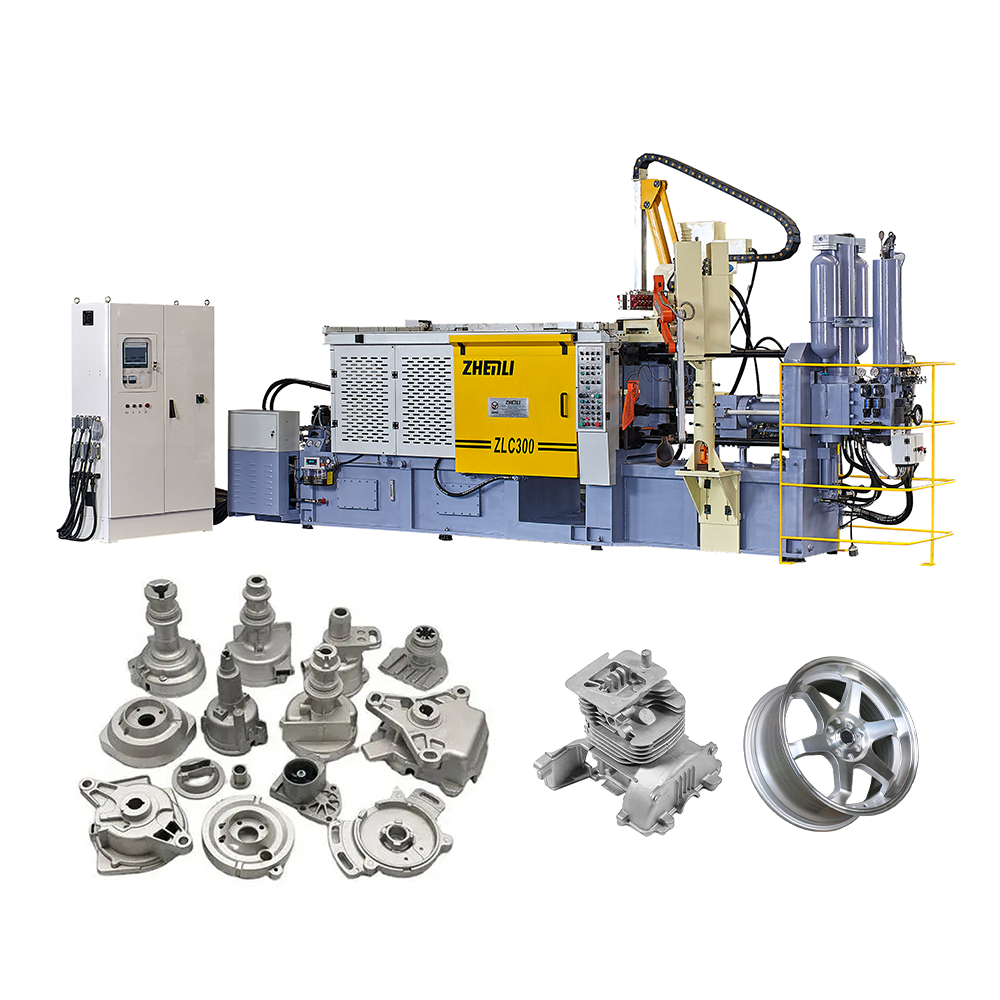
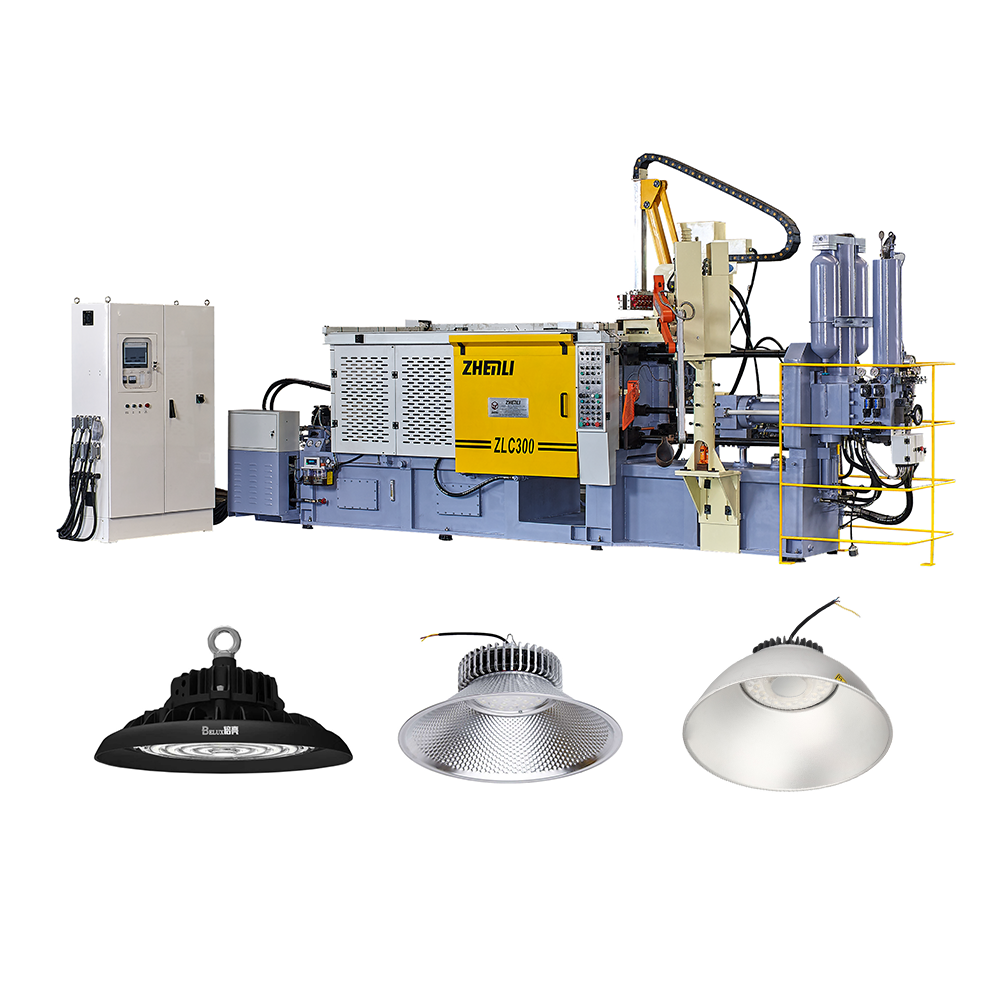
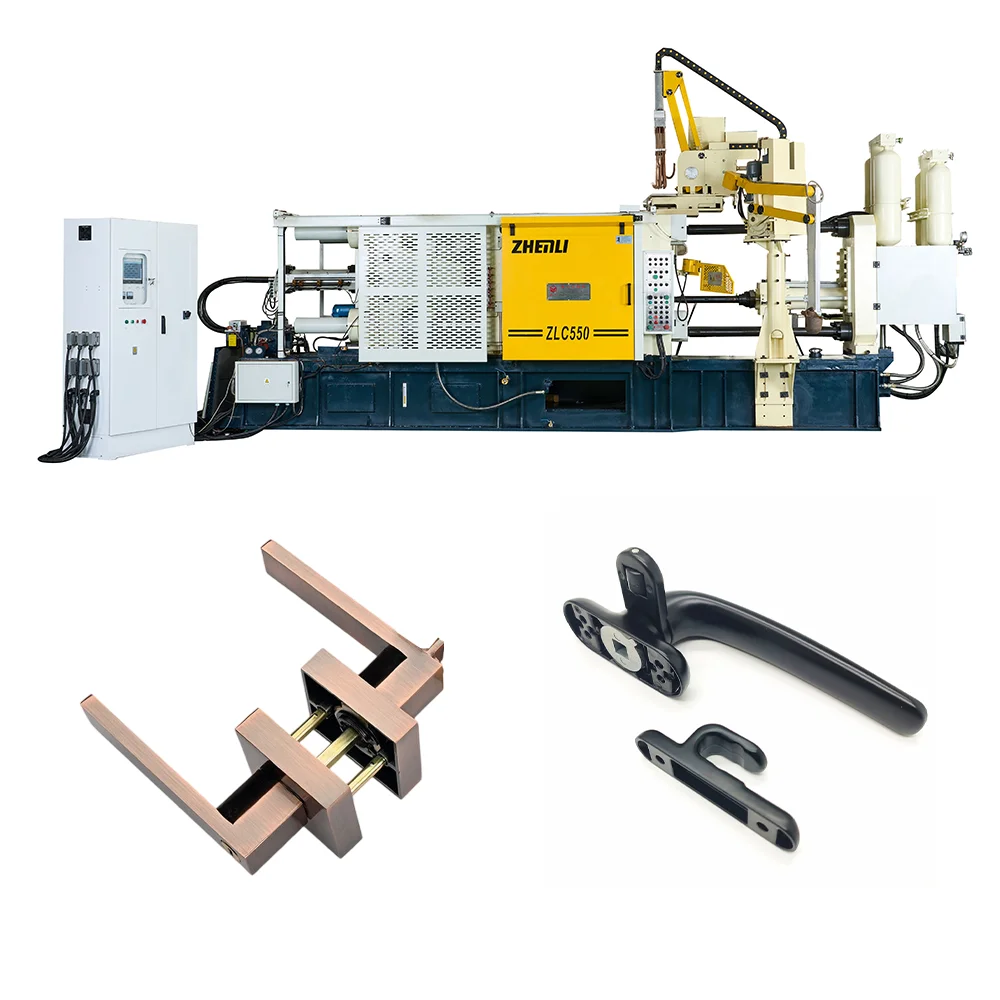
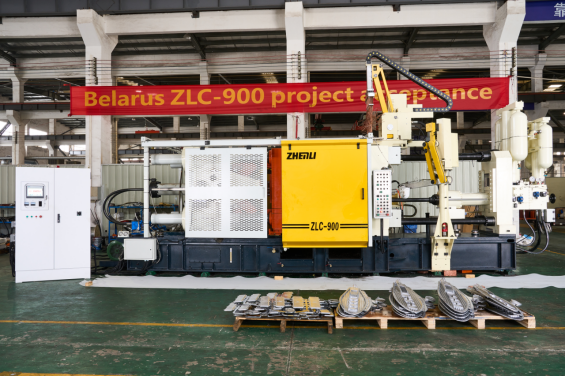
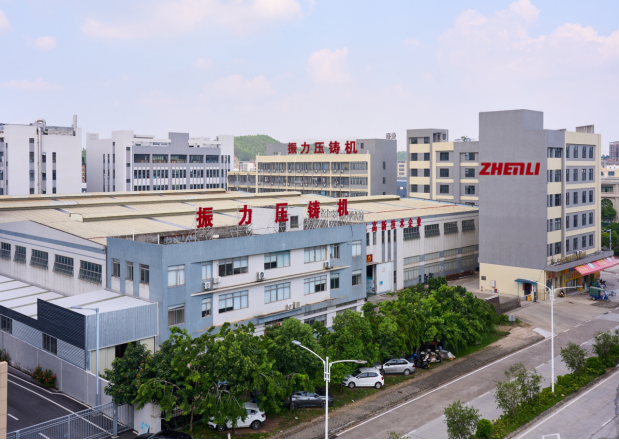
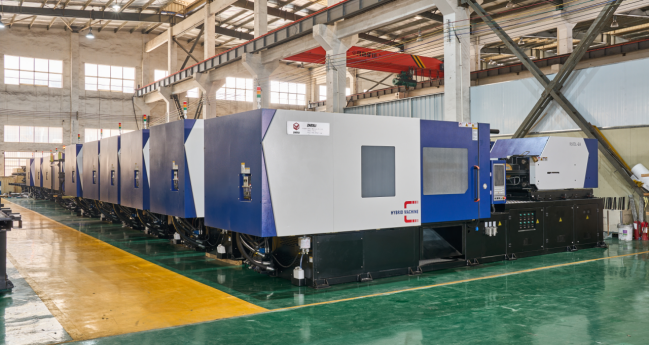
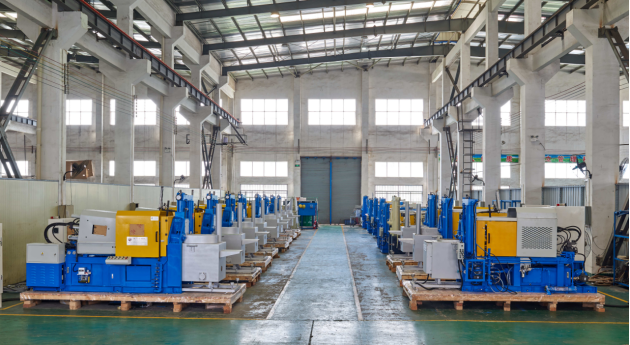
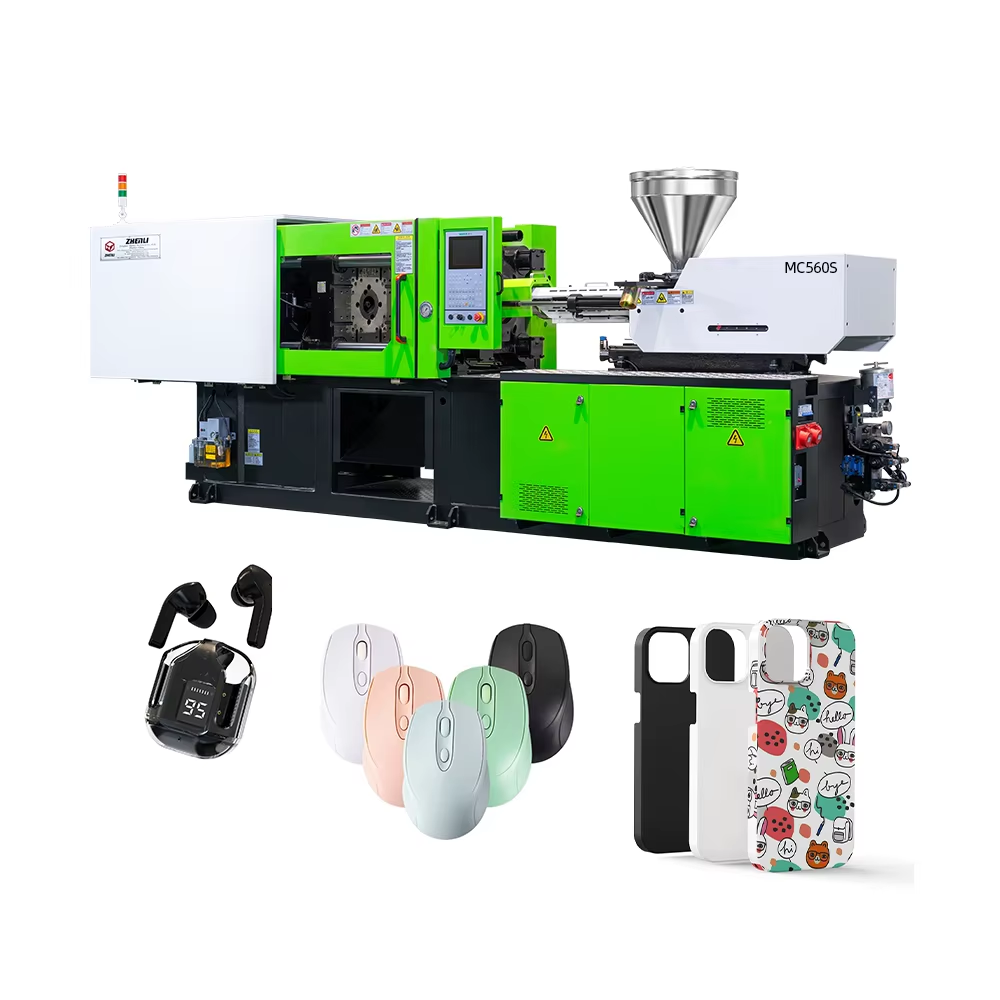
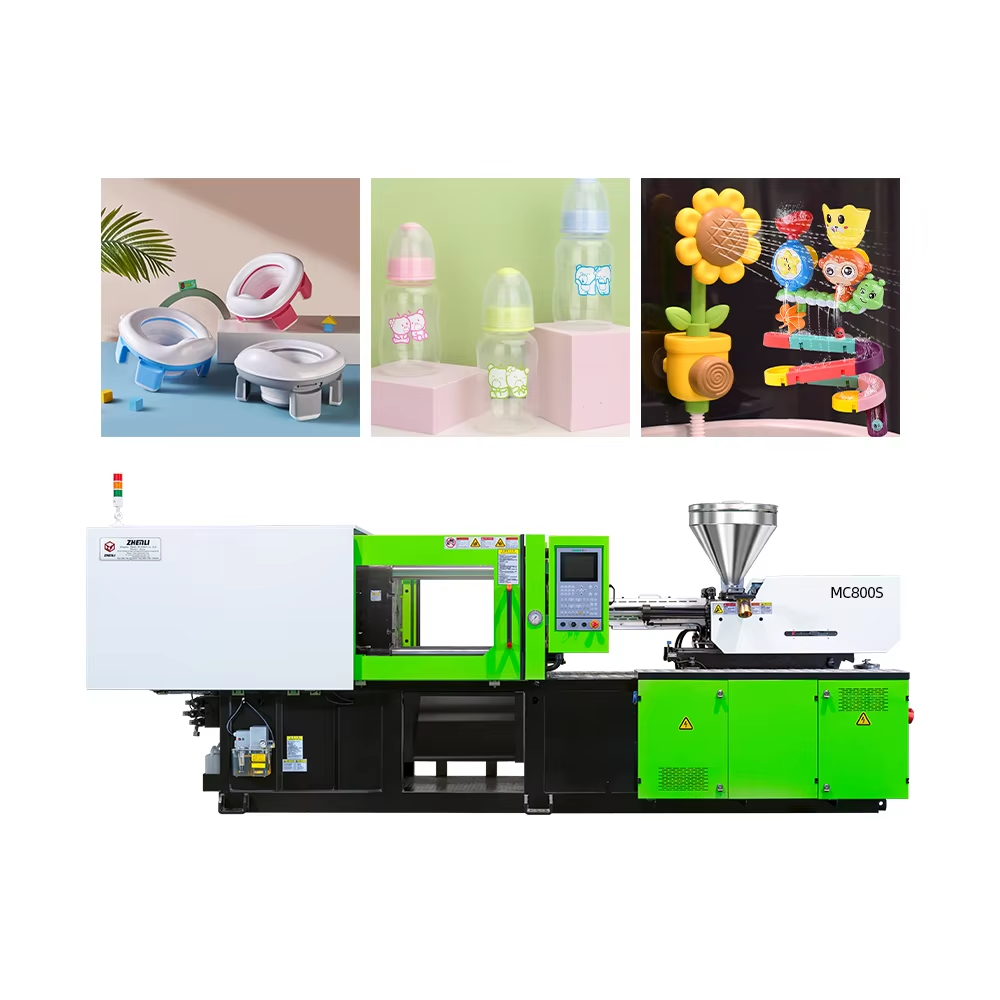
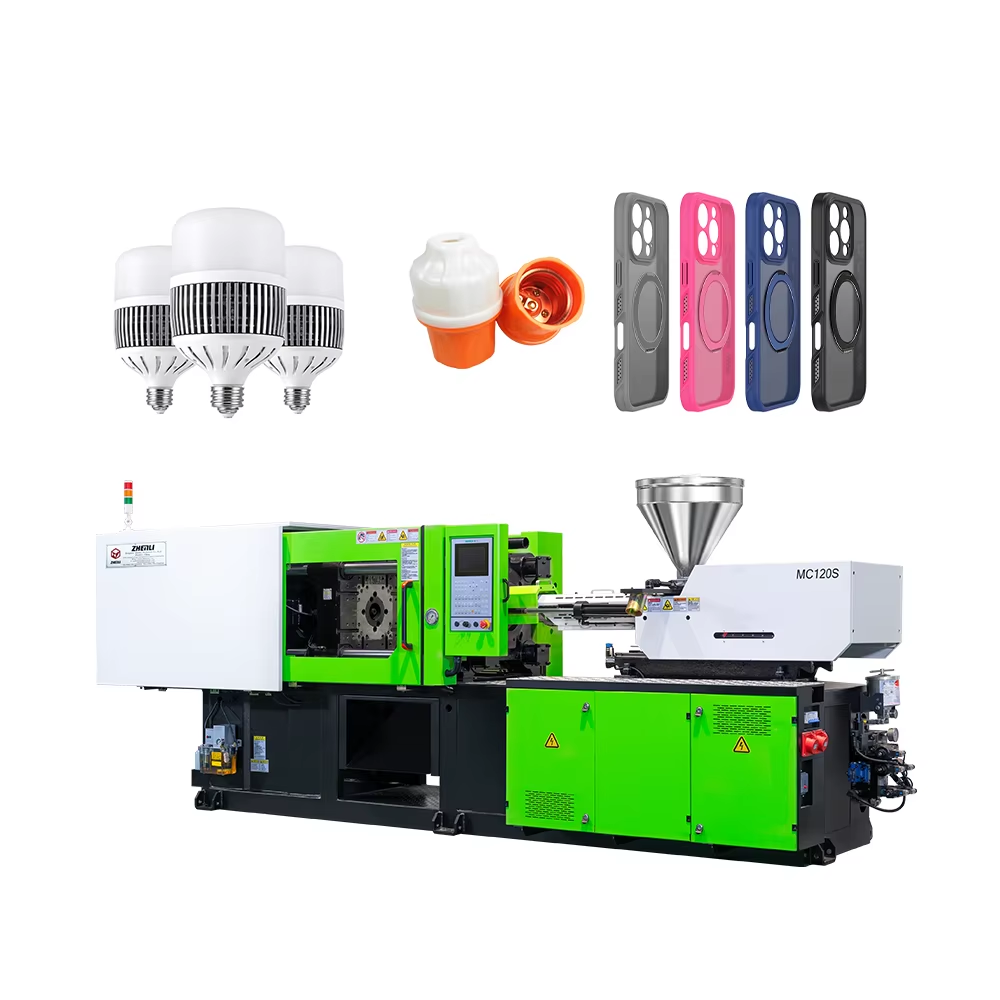
Jiangmen Zhenli Machinery Co., Ltd. offers advanced EVA injection machines as part of its diverse molding equipment portfolio, alongside hot/cold chamber die casting machines, plastic injection molding machines, and peripheral equipment. With ISO 9001, ISO 14001, and CE certifications, the EVA injection machines feature intelligent computer controllers, stable injection systems, and efficient die clamping mechanisms, ensuring reliable performance for EVA product manufacturing. The company provides one-stop services including technical consulting, drawing design, machine manufacturing, sample testing, packing & shipment, and assembling & commissioning. Boasting a 20,000 ㎡ factory, over 20 CNC precision machines, and sales in 50+ countries, Zhenli supports minor and drawing-based customization to meet specific EVA molding needs, delivering cost-effective and high-performance solutions trusted by global clients.
Get A Quote
 EN
EN