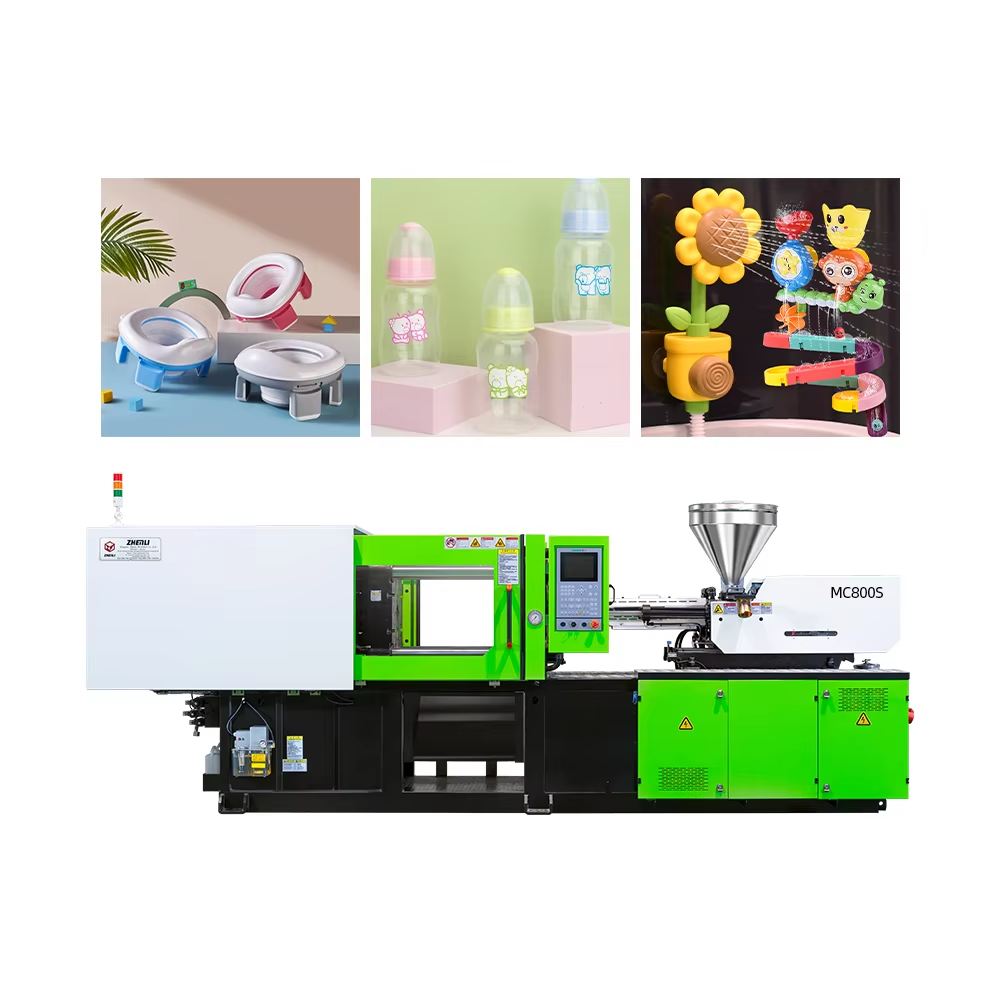
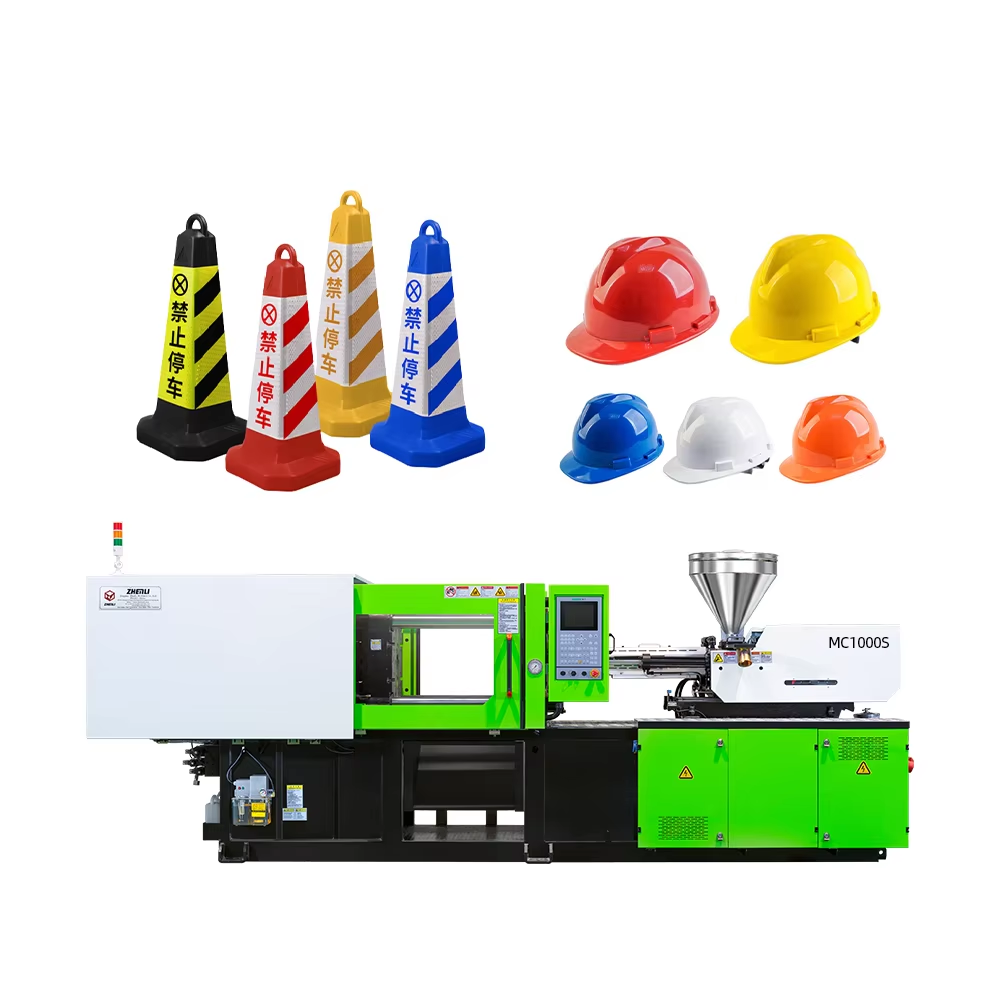
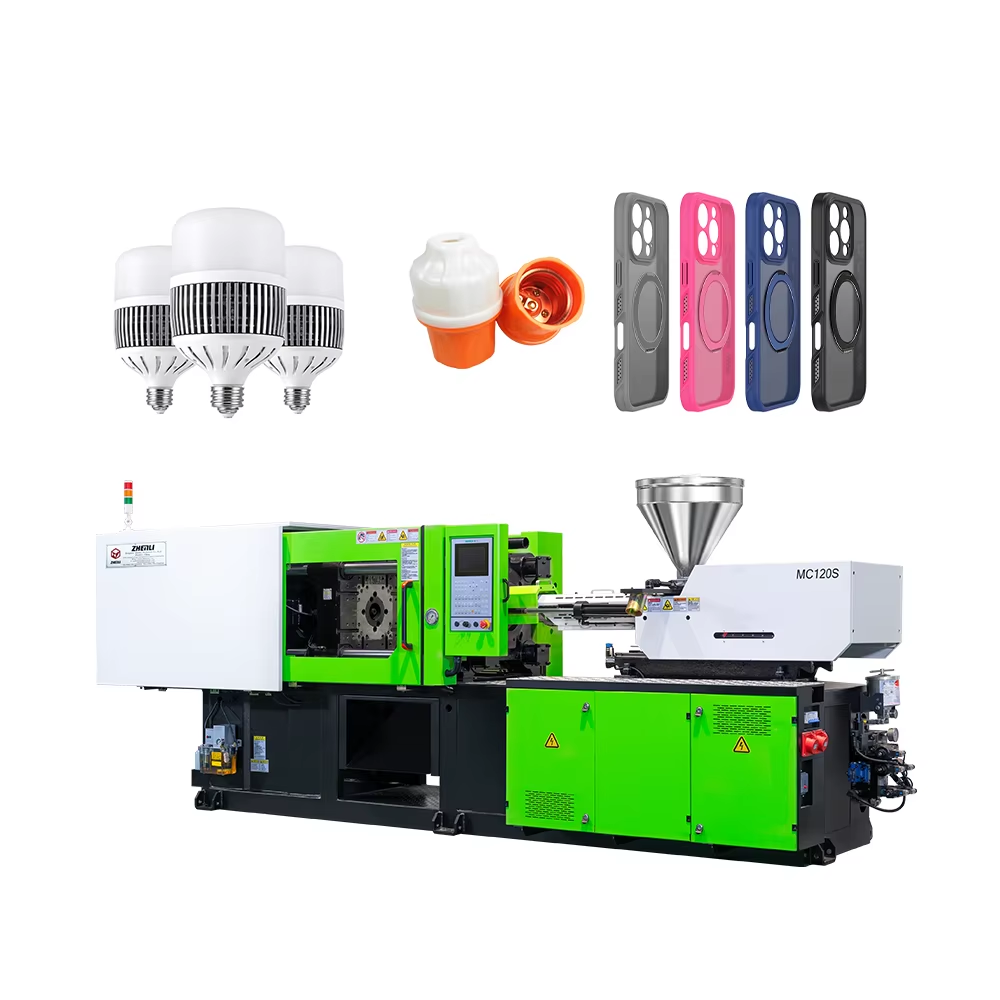
The price of a small injection moulding machine is influenced by a multitude of factors, creating a broad market range typically from $5,000 for basic, manually operated models to over $80,000 for highly precise, fully automated all electric systems. The primary cost drivers include the type of drive system (hydraulic being the most affordable, all electric commanding a premium due to its precision and energy efficiency), the clamping force (with prices rising steadily from 5 ton to 50 ton capacities), and the level of control system sophistication. A basic PLC interface is standard, but the inclusion of a color touchscreen, data logging capabilities, and network connectivity for remote monitoring will increase the cost. The build quality and origin of manufacture also significantly impact price; machines from established European or Japanese brands often carry a higher price tag due to perceived reliability and extensive service networks, while those from emerging manufacturing hubs offer competitive pricing. Additional costs are frequently associated with essential peripherals not included in the base price, such as material loaders, dryers, chillers, and custom molds. The machine's specifications, such as screw design (standard vs. dedicated for engineering plastics), plasticizing rate, and the presence of features like a shut off nozzle or core pull functionality, also contribute to the final investment. For a buyer, it is critical to conduct a total cost of ownership analysis, factoring in not just the purchase price but also long term energy consumption, maintenance part costs, expected downtime, and the machine's resale value. Ultimately, the price must be justified by the machine's ability to produce quality parts consistently, its operational reliability, and its contribution to the overall profitability of the manufacturing operation.