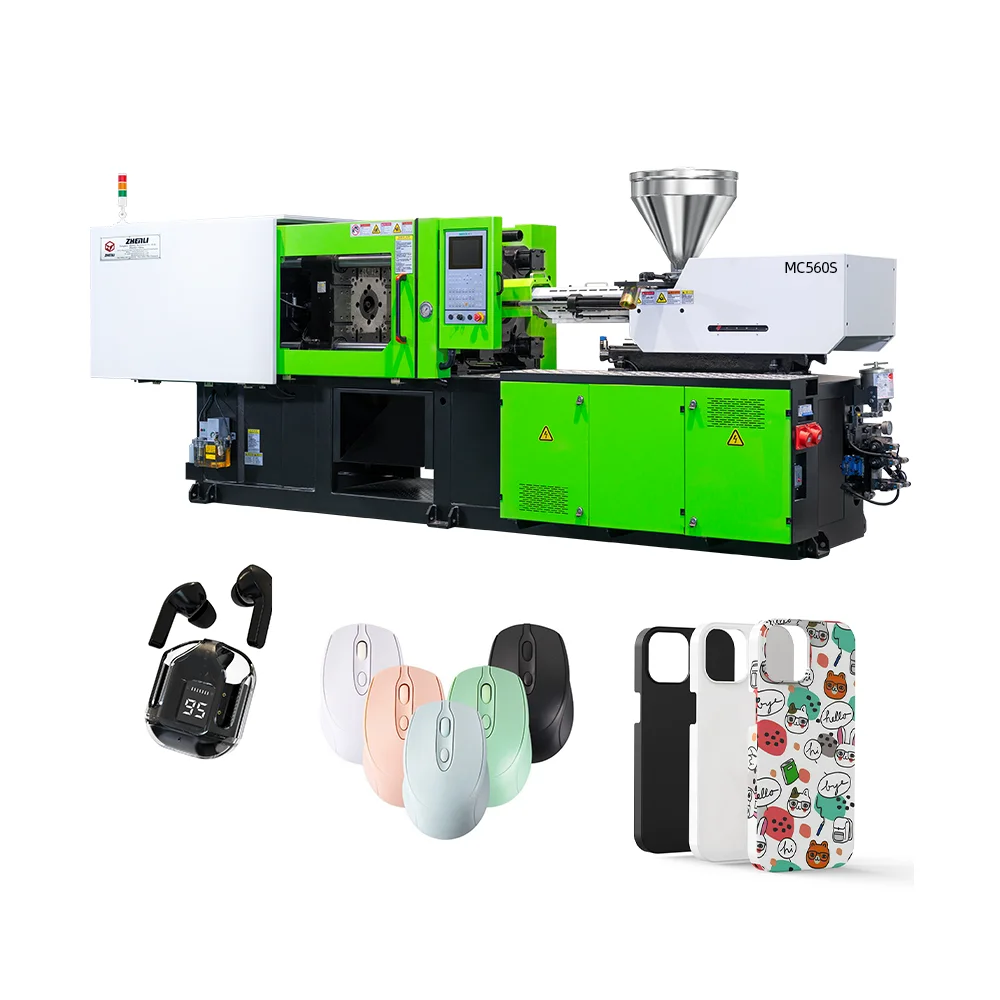
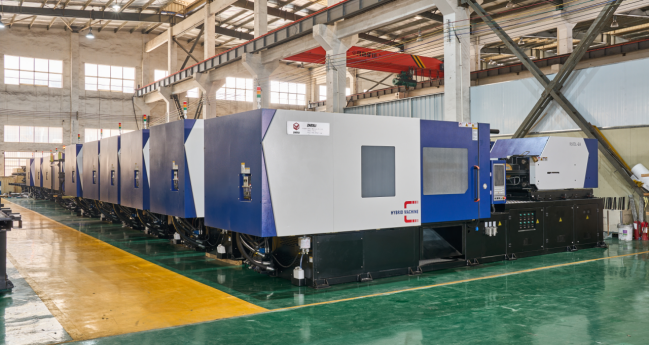
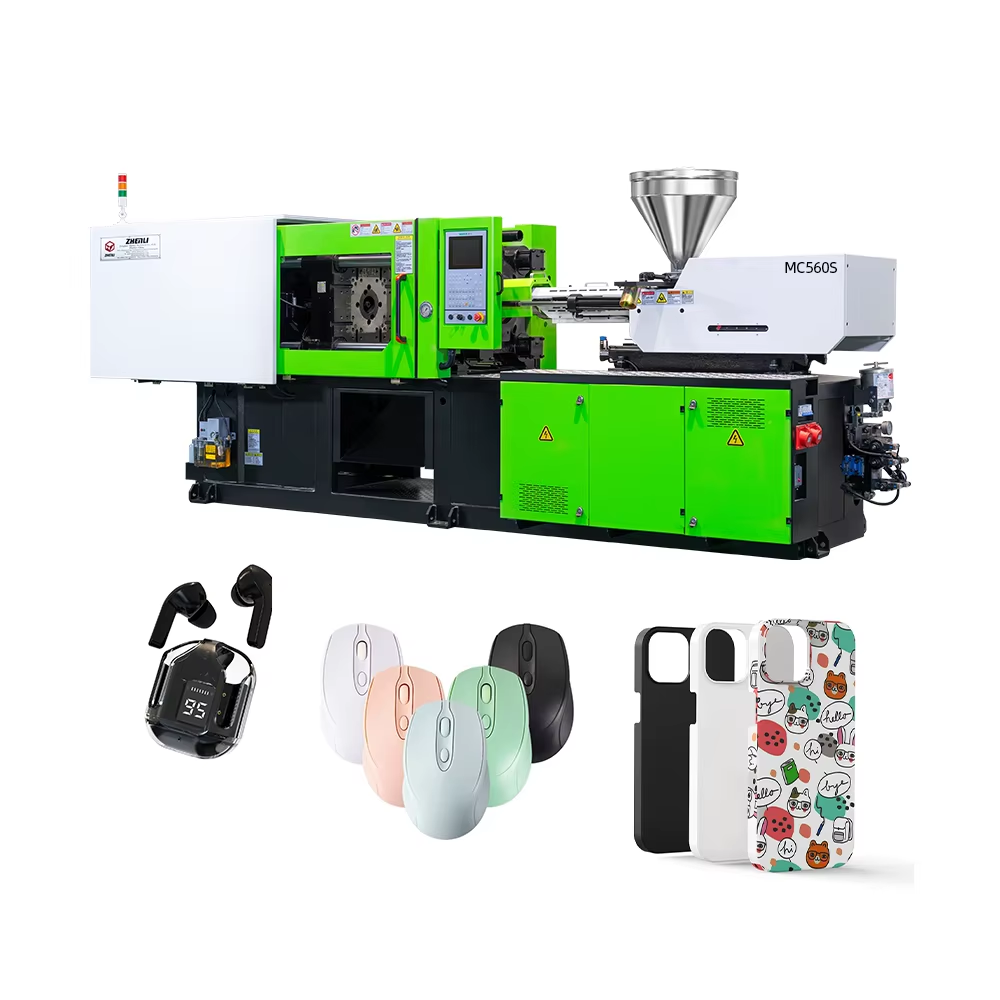
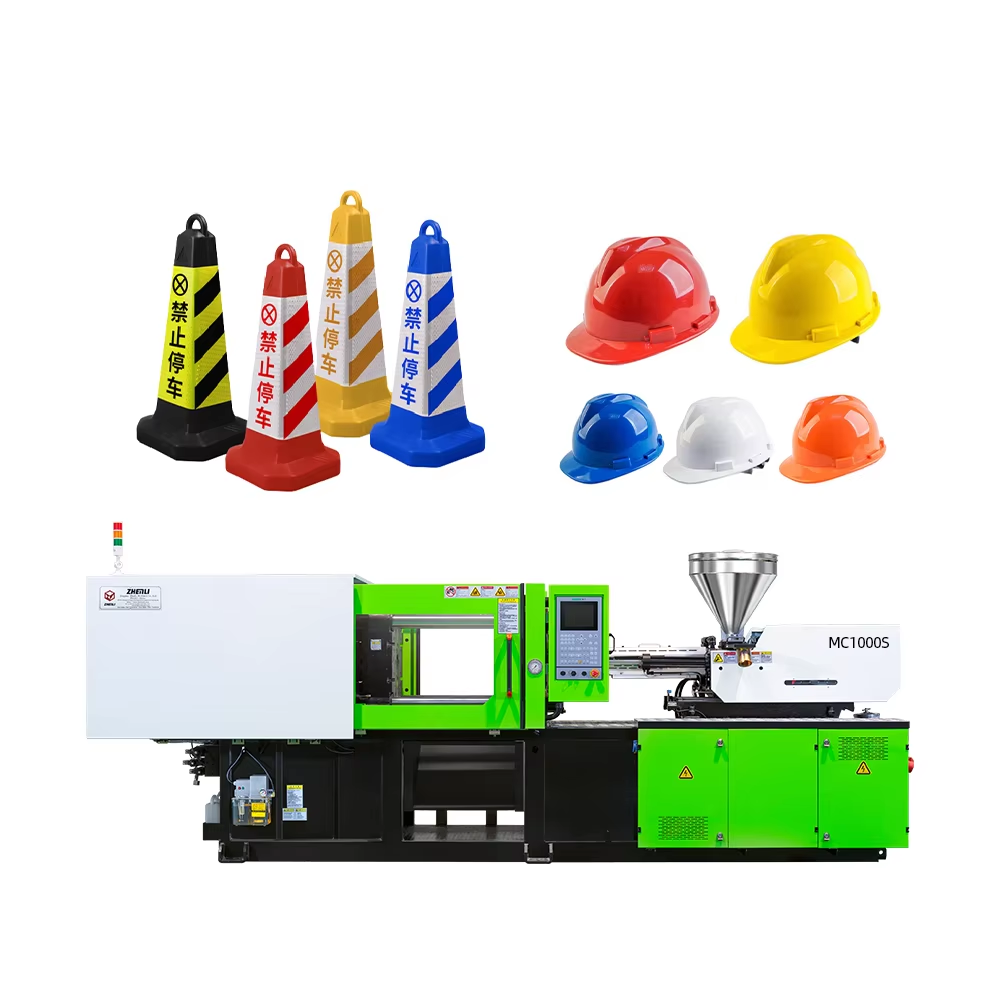
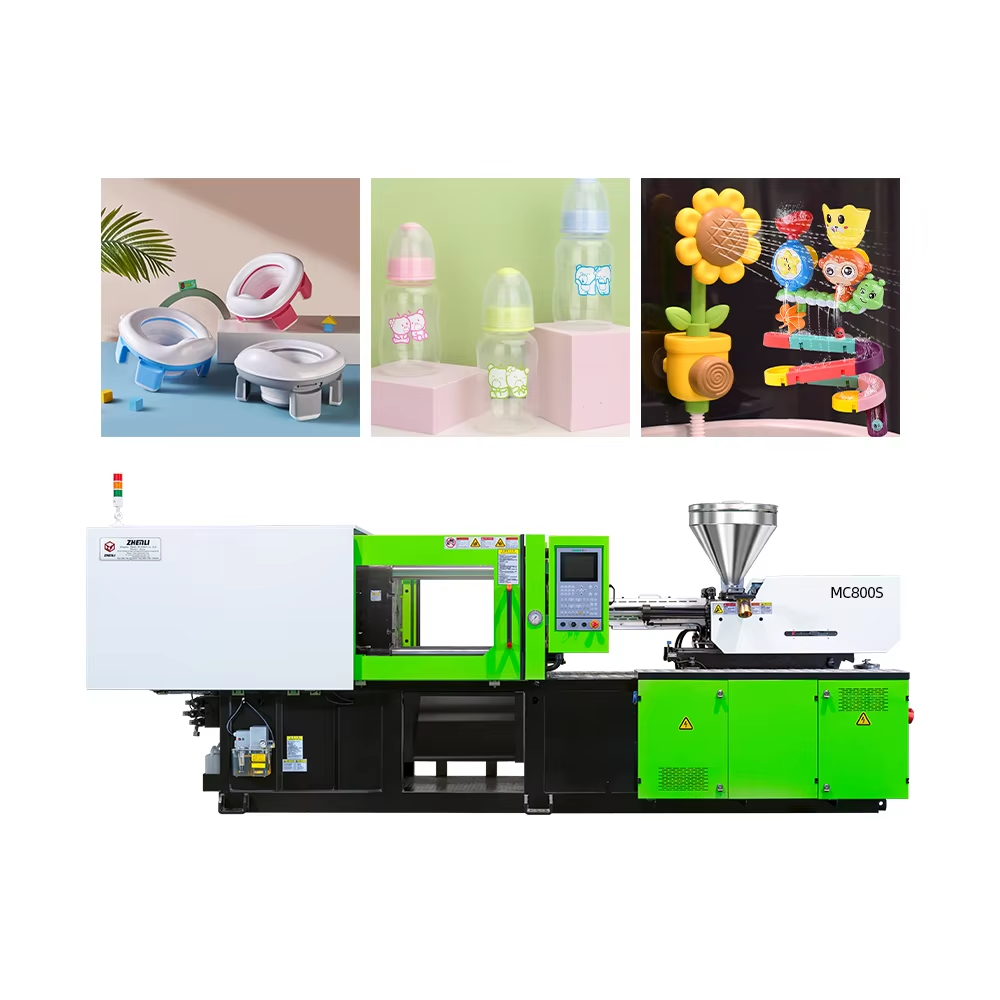
A PET injection moulding machine is a highly specialized apparatus designed for processing Polyethylene Terephthalate, primarily for creating preforms for the blow molding industry or for engineering grade crystalline PET components. The machine's configuration is fundamentally tailored to address PET's inherent characteristics, namely its high melting point, pronounced shrinkage upon cooling, and sensitivity to moisture and thermal degradation. The injection unit is equipped with a screw featuring a long compression zone and a gradual transition to gently plasticize the polymer, minimizing shear stress that can cause a drop in molecular weight. A non return valve is critical to prevent melt backflow during the high pressure injection phase, ensuring shot to shot consistency. Given PET's rapid crystallization rate, the mold temperature control system is of utmost importance. It typically uses high flow rate water circulators to maintain precise temperatures—cold for the preform body to ensure amorphous clarity and slightly warmer for the neck region to achieve stability. The machine must be integrated with a high capacity dehumidifying dryer that processes resin at temperatures around 150 180°C to reduce moisture to acceptable levels before entering the barrel. Modern PET injection moulding machines are often all electric or servo hydraulic, providing the dynamic response needed for complex injection profiles that prevent visual defects like haze or gate blush. They are frequently part of a larger, automated system that includes preform handling, quality inspection, and packaging. For a manufacturer, selecting the right PET machine involves a detailed analysis of production requirements (cavitation count, cycle time), material flexibility (ability to run various grades of virgin and recycled PET), and long term operational costs, with a strong emphasis on energy efficiency and compliance with international safety and quality standards.