Jiangmen Zhenli Machinery: Advanced Plastic Injection Machines & Turnkey Molding Services
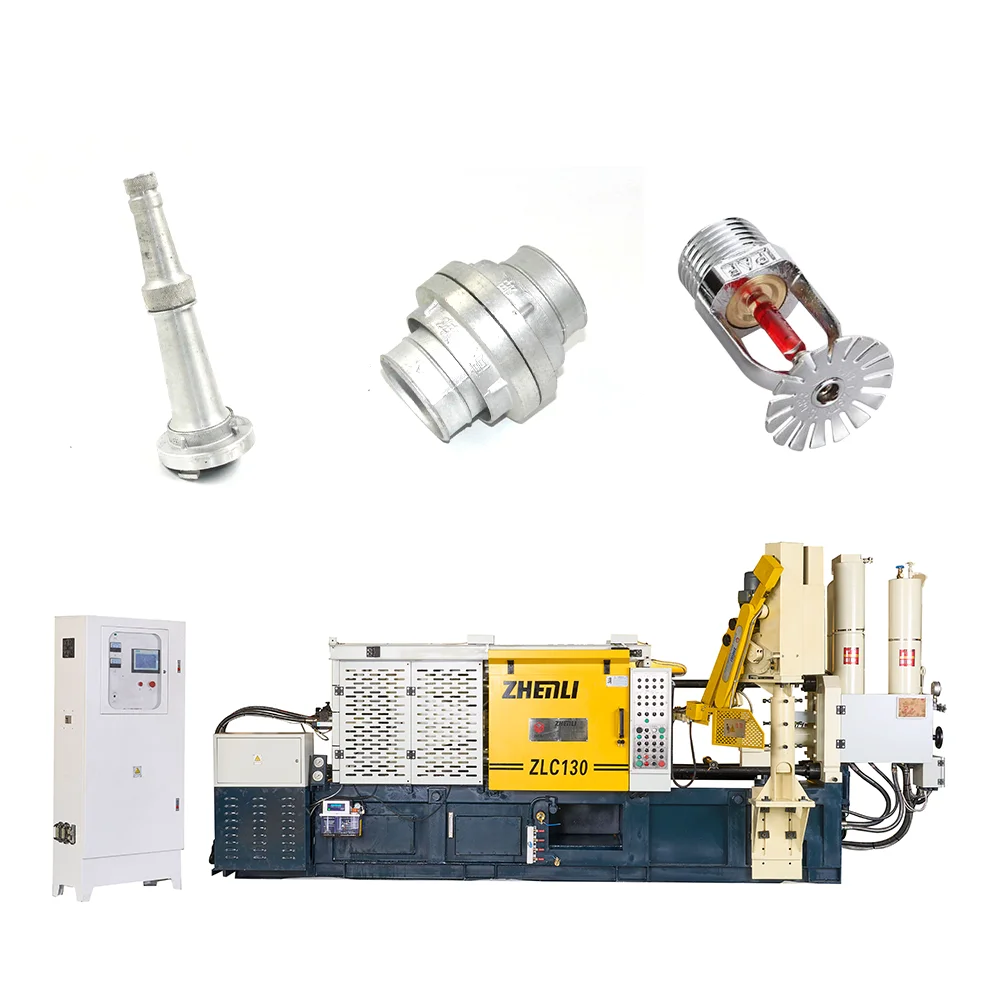
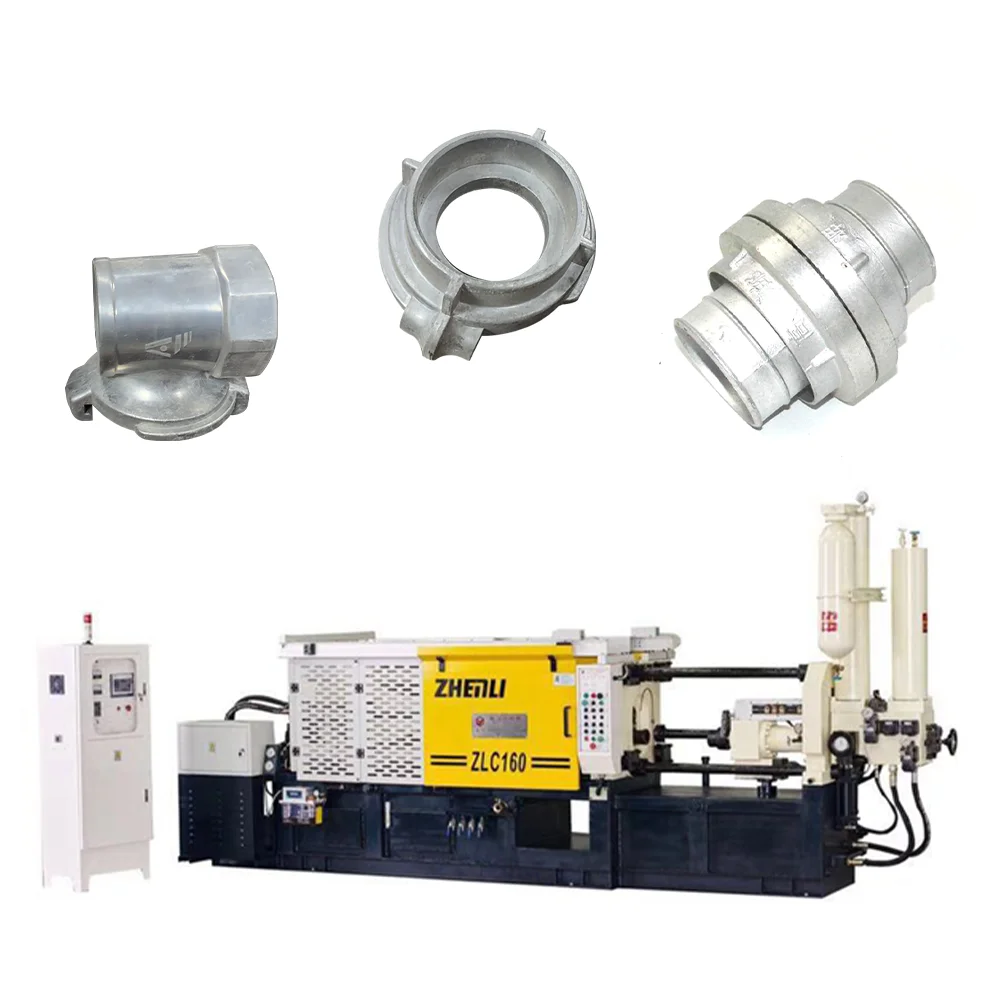
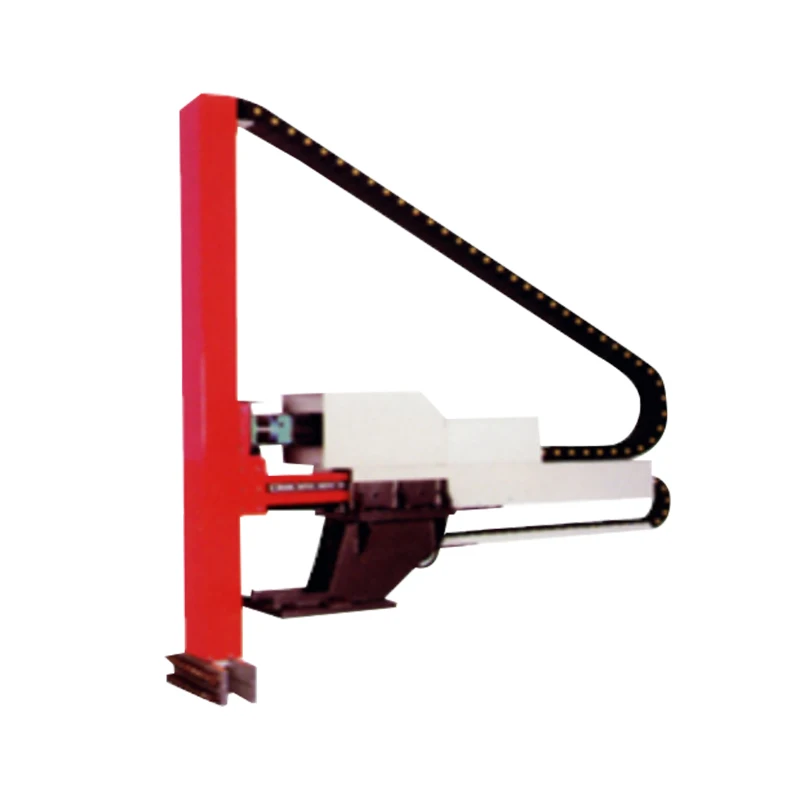
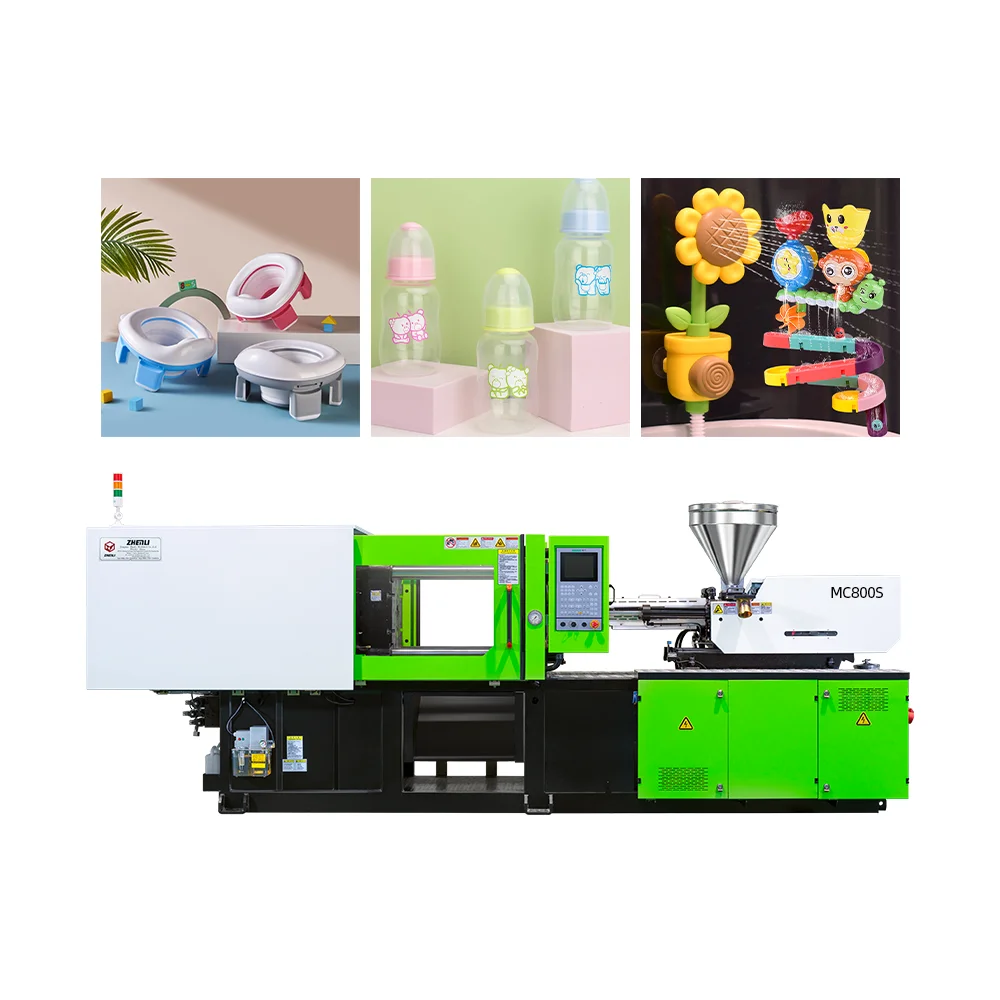
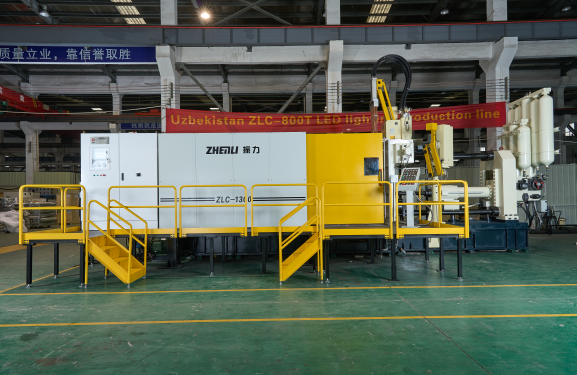
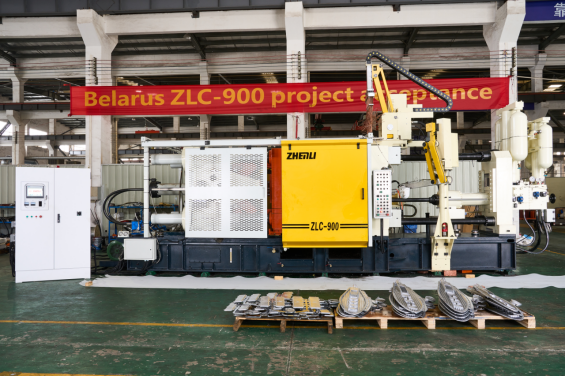
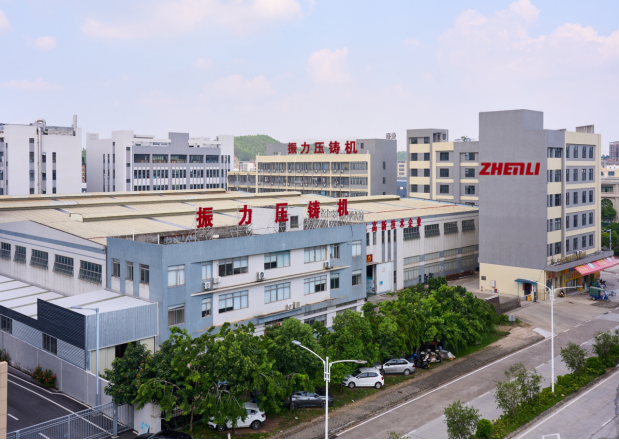
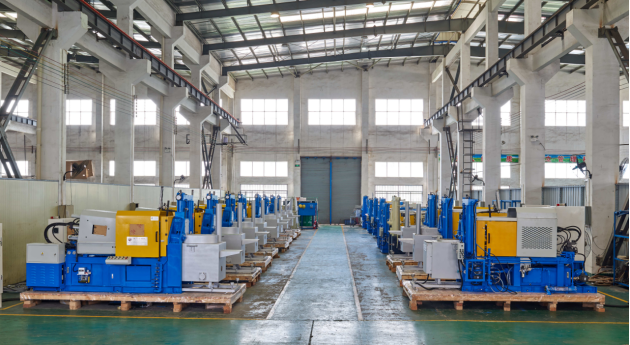
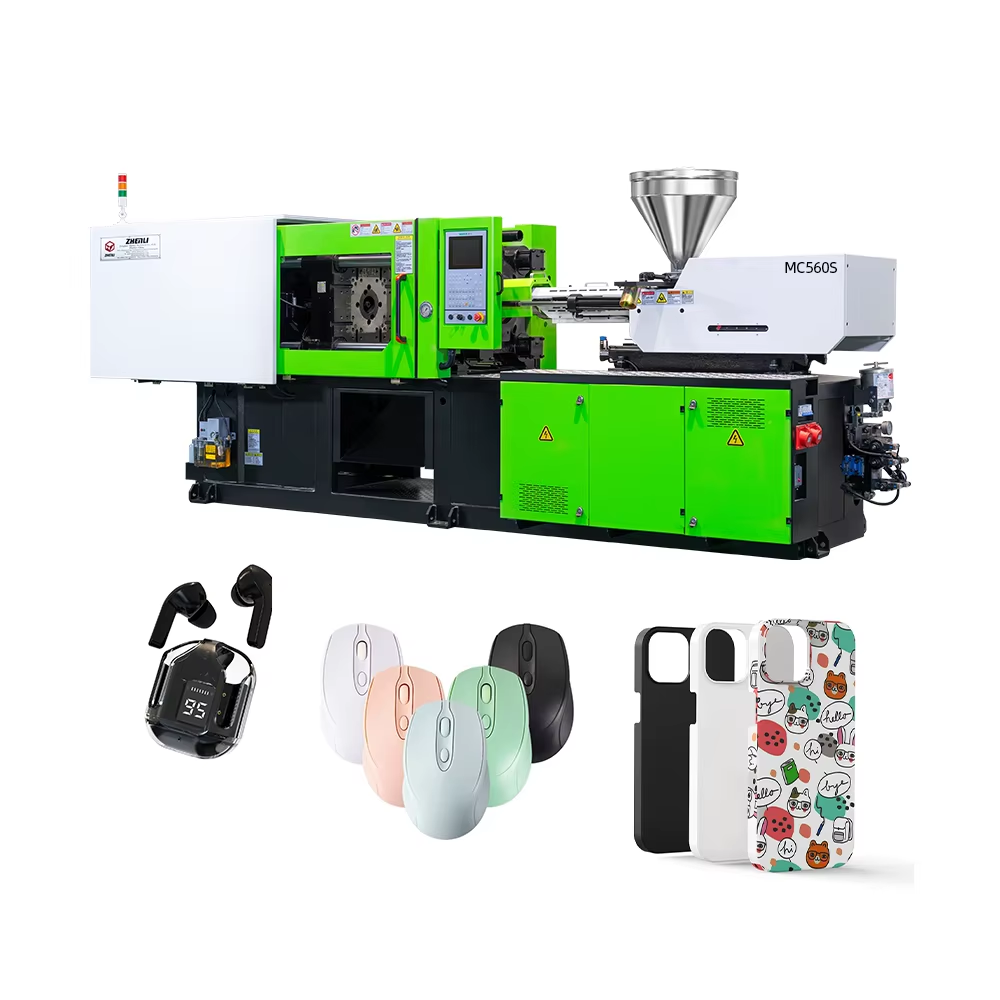
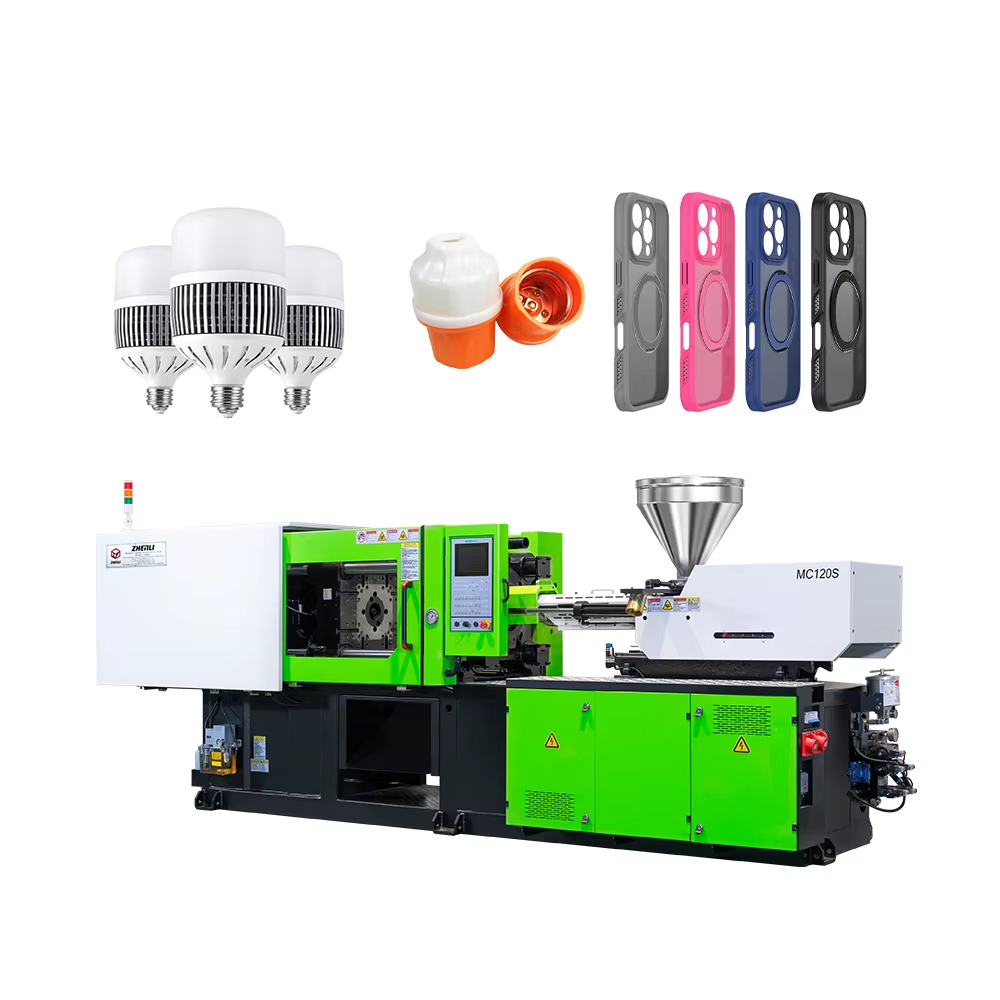
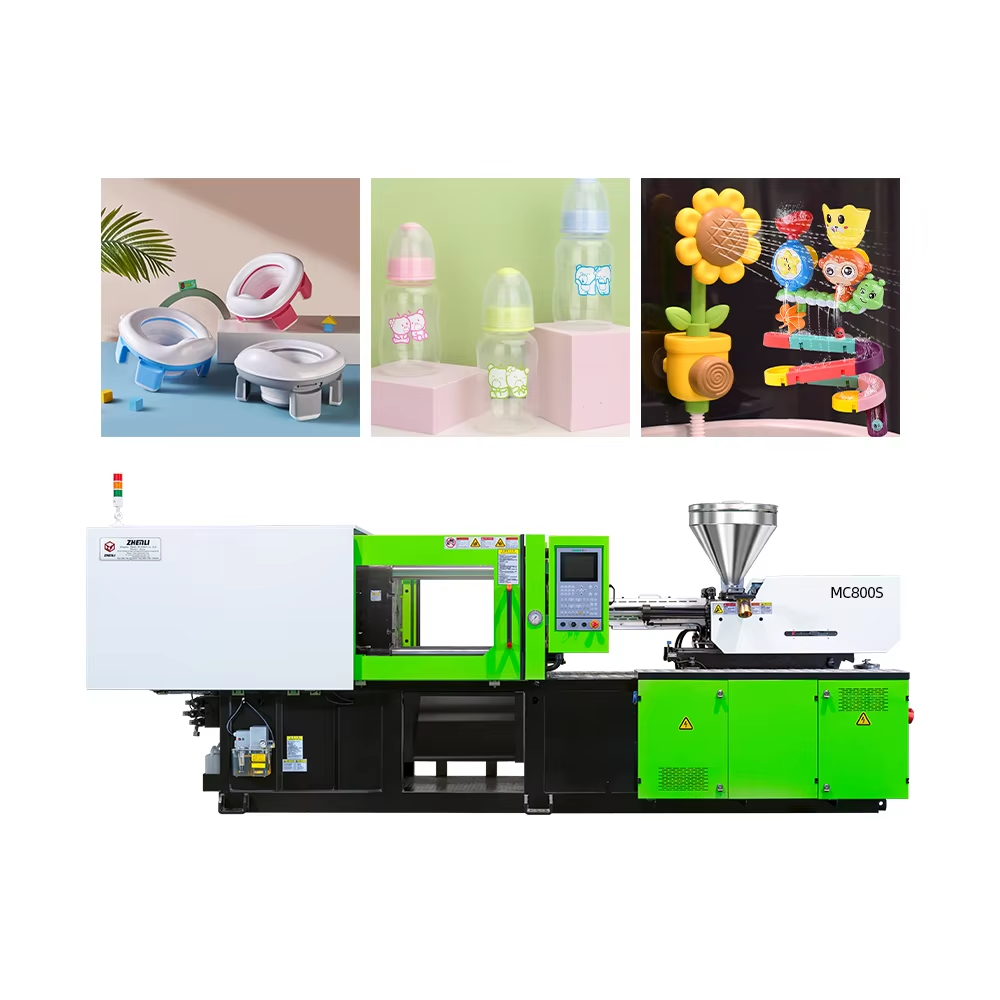
Jiangmen Zhenli Machinery Co., Ltd. is a leading supplier of plastic injection machines, including ZLMC series models (ZLMC90S to ZLMC2600S) certified by CE and ISO standards. These machines feature powerful hydraulic systems, intelligent computer controllers, precise mold adjustment, and efficient production cycles, suitable for processing various plastics. Complemented by die casting machines and peripheral equipment, the company provides one-stop services: technical consulting, drawing design, machine manufacturing, sample testing, packing & shipment, and assembling & commissioning. With a 20,000 ㎡ factory, 50+ sales countries, and customization capabilities (minor/drawing-based), Zhenli ensures reliable performance, energy efficiency, and global after-sales support for plastic molding industries.
Get A Quote
 EN
EN