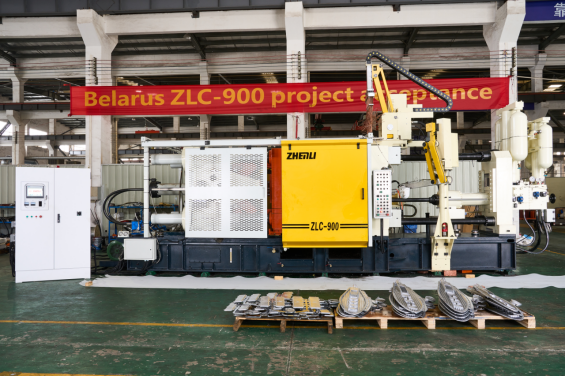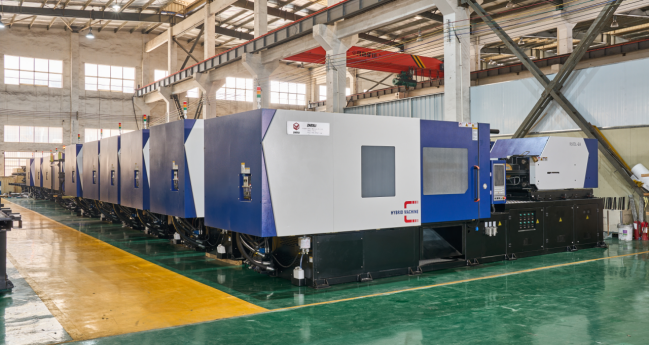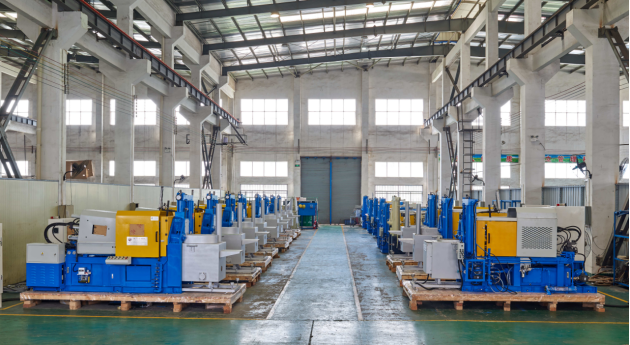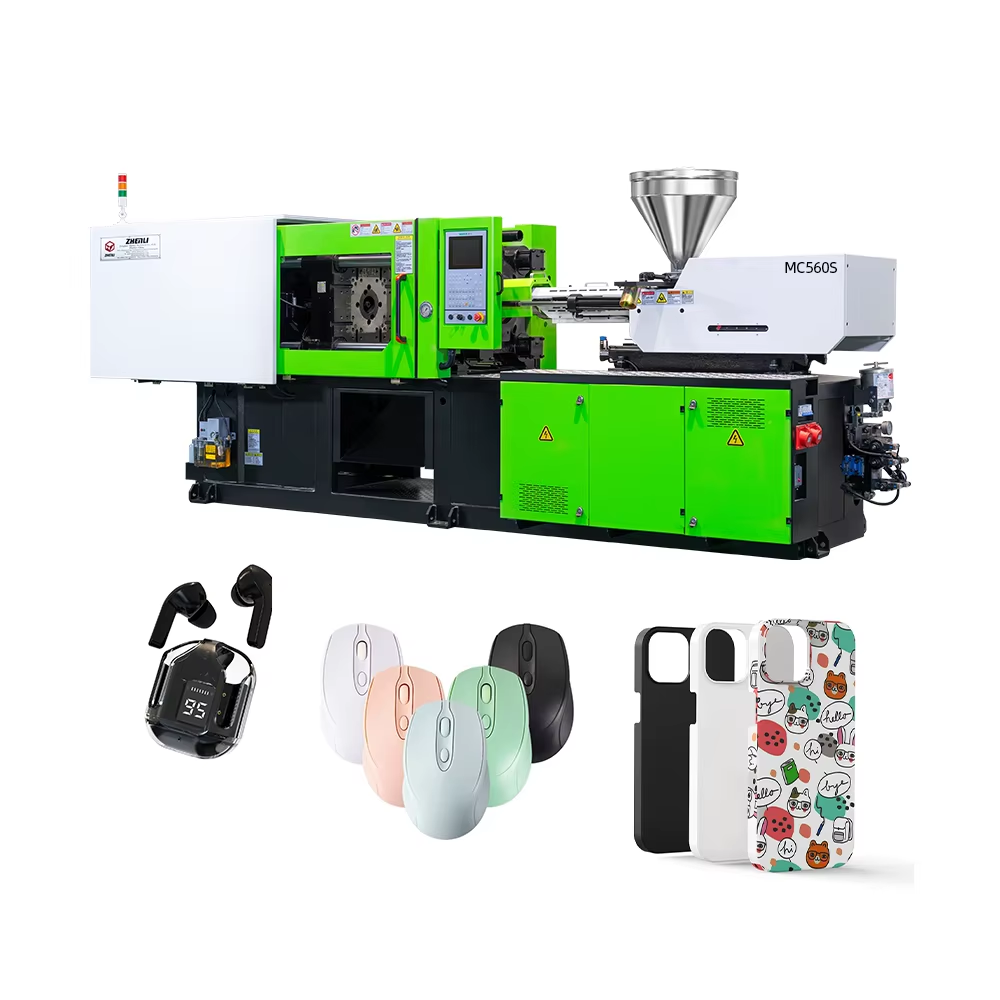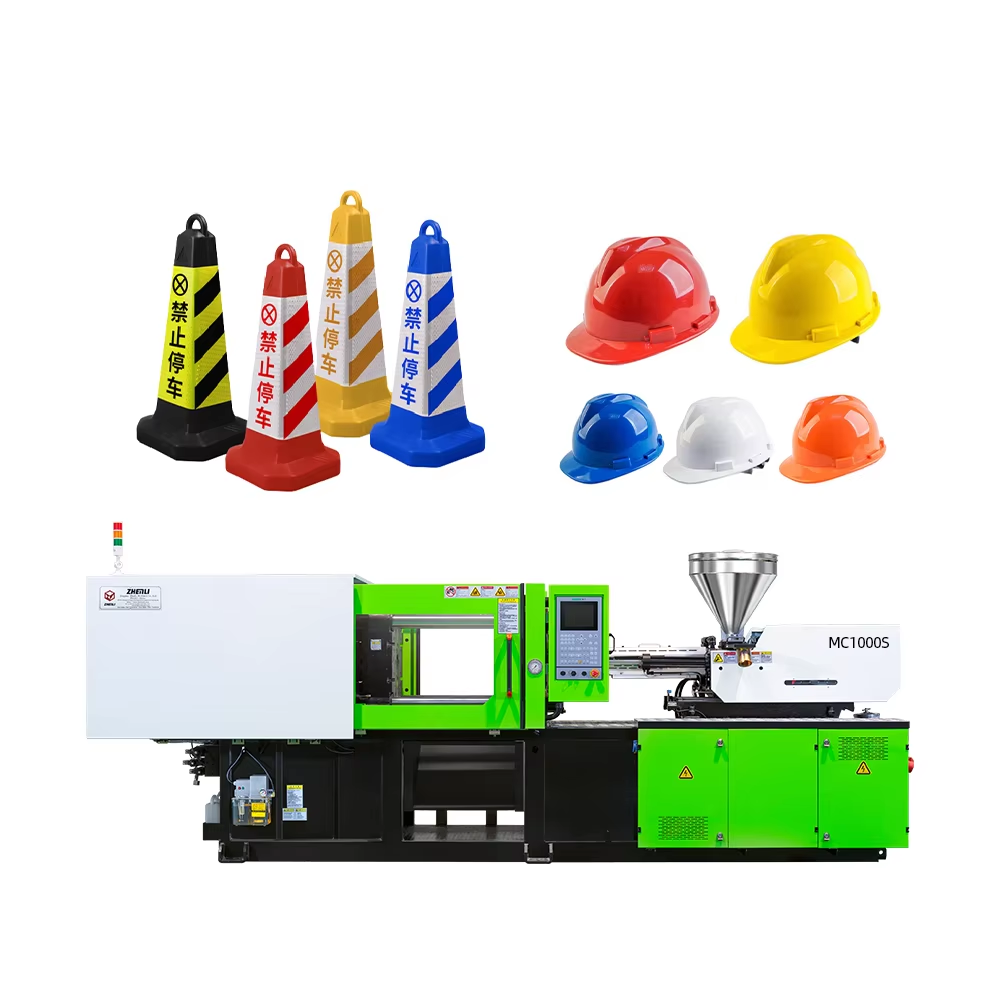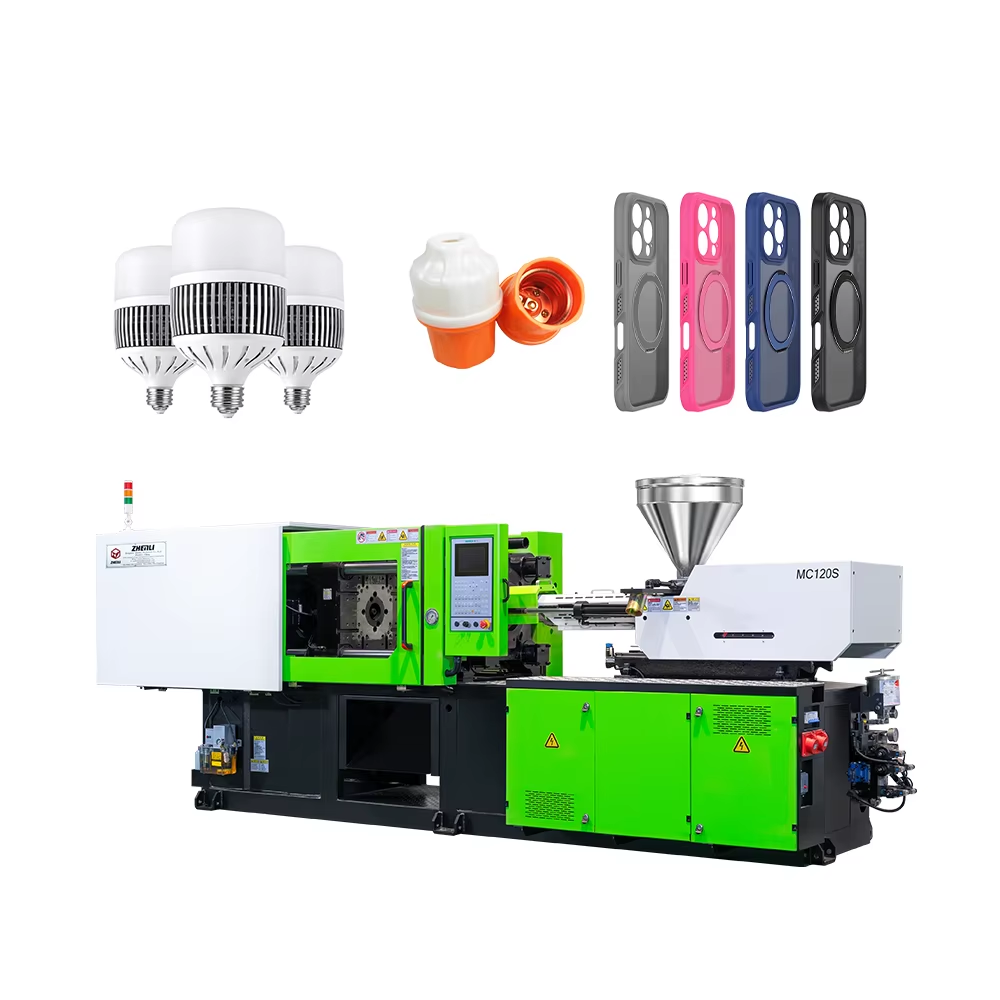
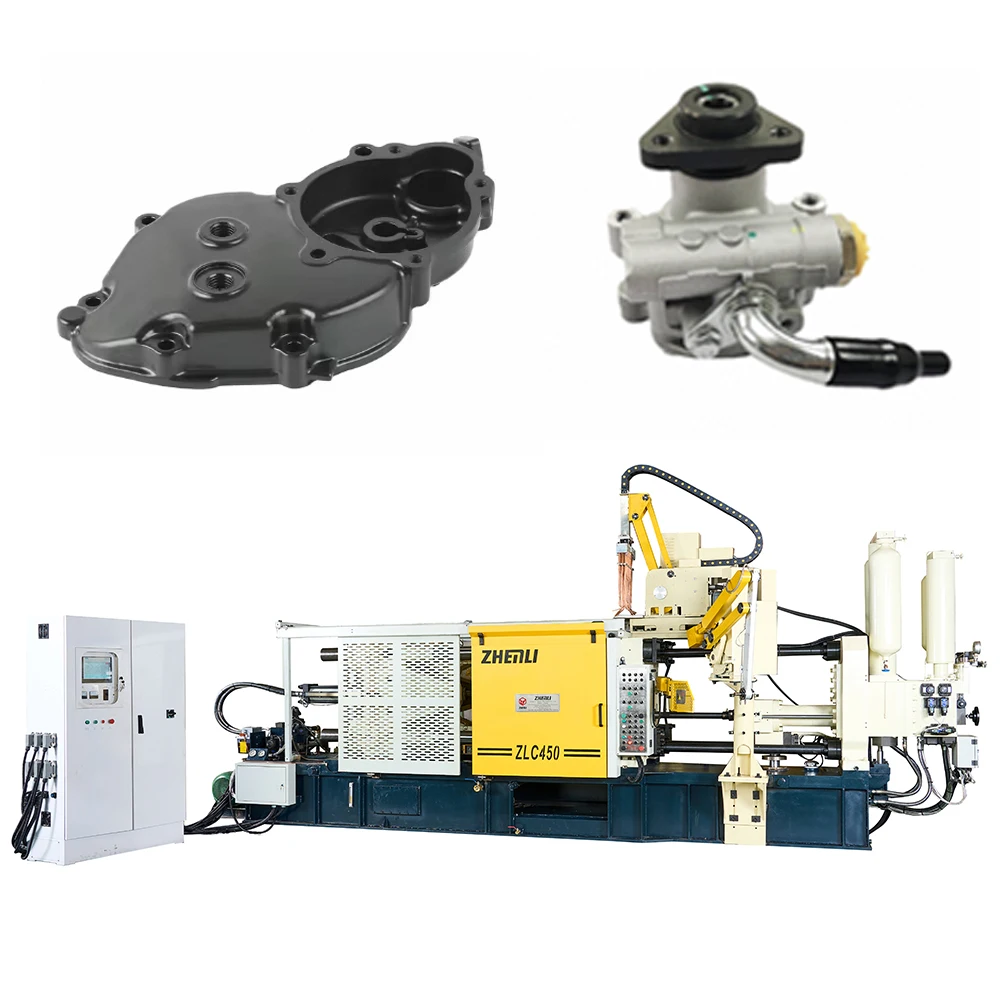
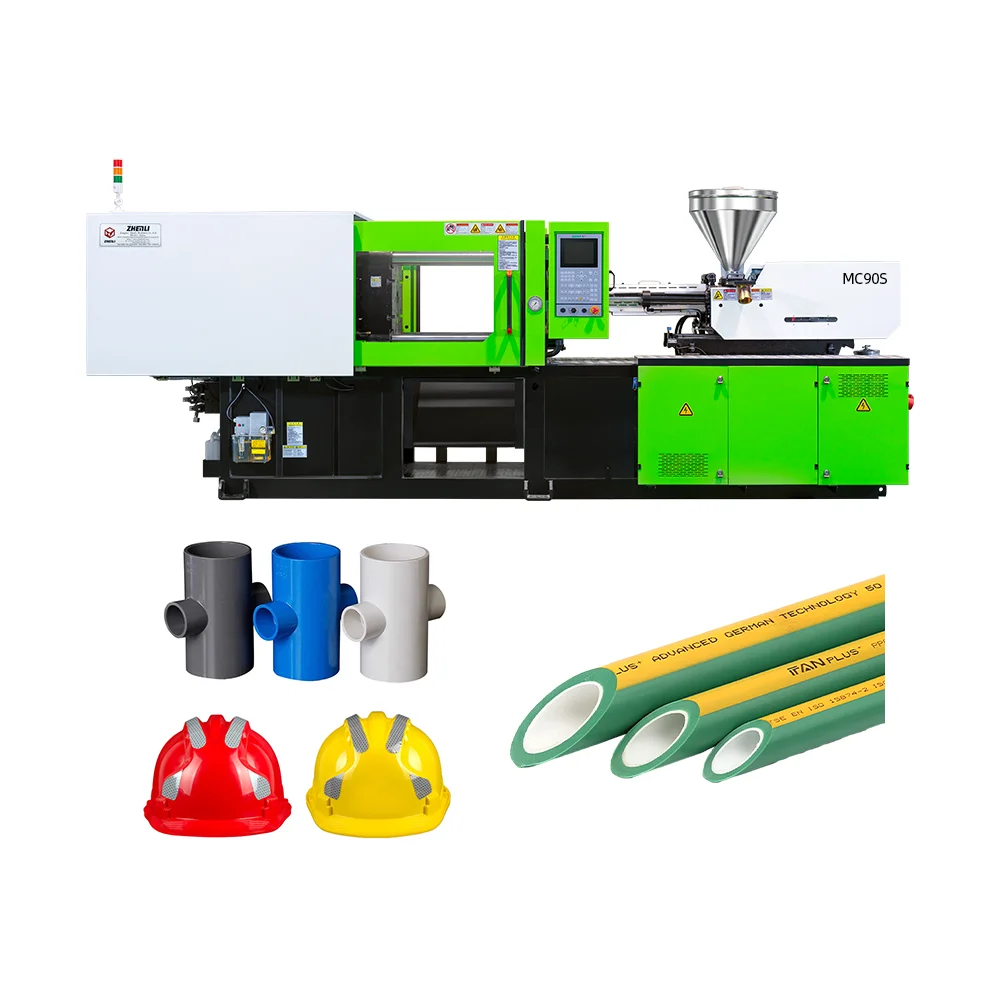
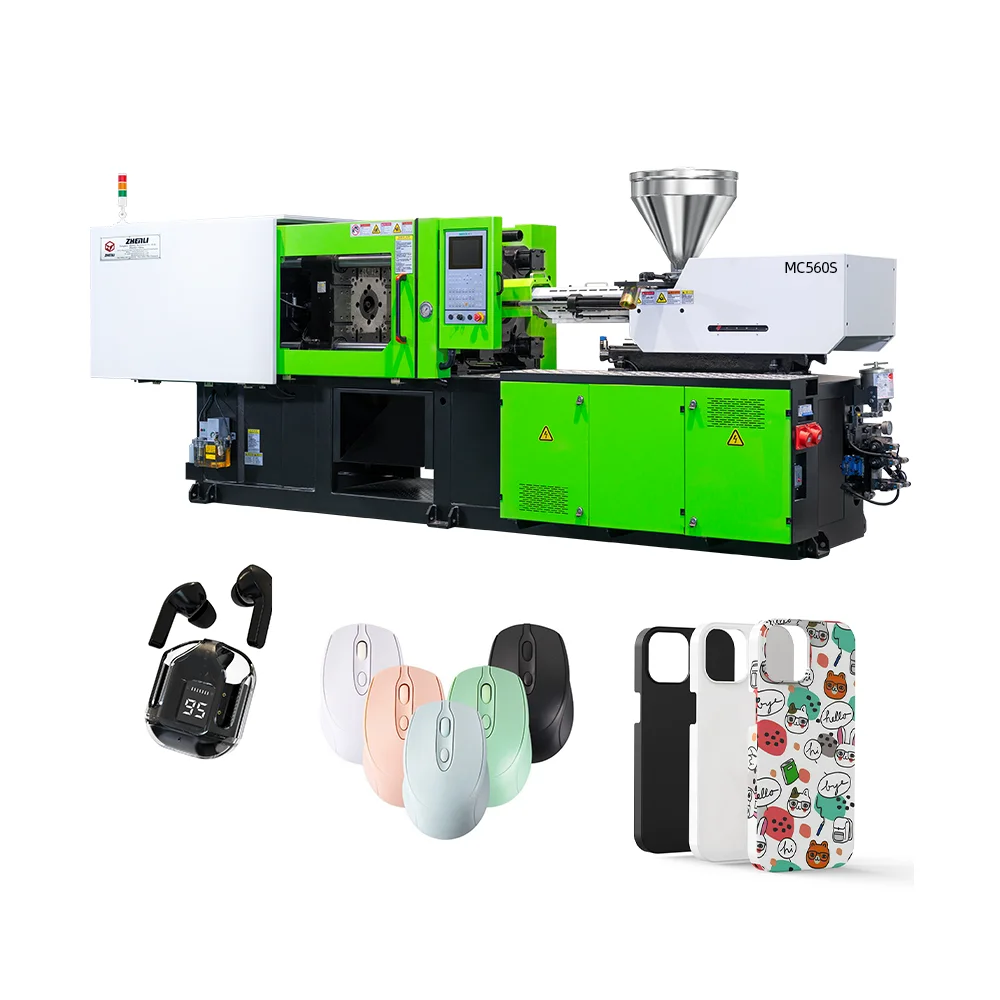
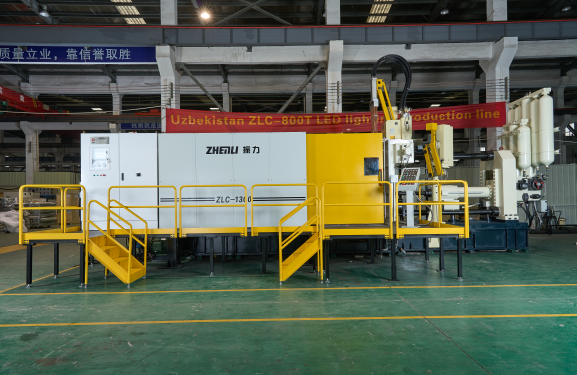
An injection molding machine factory is a complex industrial facility where raw materials like steel castings, electronic components, and hydraulic parts are transformed into precision injection molding machinery. The factory floor is typically organized into specialized zones: a fabrication area for machining platens, tie bars, and frames using CNC centers; an assembly line where sub systems like the injection unit, clamping unit, and hydraulic power pack are integrated; and a testing bay where every completed machine undergoes rigorous run offs to verify performance against specifications. Modern factories employ lean manufacturing principles and automated guided vehicles (AGVs) to streamline material flow and reduce lead times. Quality assurance is embedded at every stage, from incoming material inspection to final performance testing, often utilizing laser alignment for the clamping unit and data acquisition systems to validate injection repeatability. The factory's design and processes reflect its core specializations—whether it focuses on high volume production of standard models or custom engineered solutions for niche applications. A key differentiator for a top tier factory is its vertical integration; the ability to manufacture critical components like screws, barrels, and PLCs in house allows for greater quality control and cost management. Furthermore, the factory must uphold high standards for workplace safety and environmental compliance, managing waste streams from machining and adhering to international regulations for electrical safety and noise emissions. For a global clientele, the factory's certification (e.g., CE, UL) and its capacity for providing timely technical support and spare parts are as crucial as the machine's price, making the factory's operational excellence directly linked to the end user's production reliability and profitability.