Jiangmen Zhenli Machinery: Global Supplier of High-Performance Injection Moulding Machines
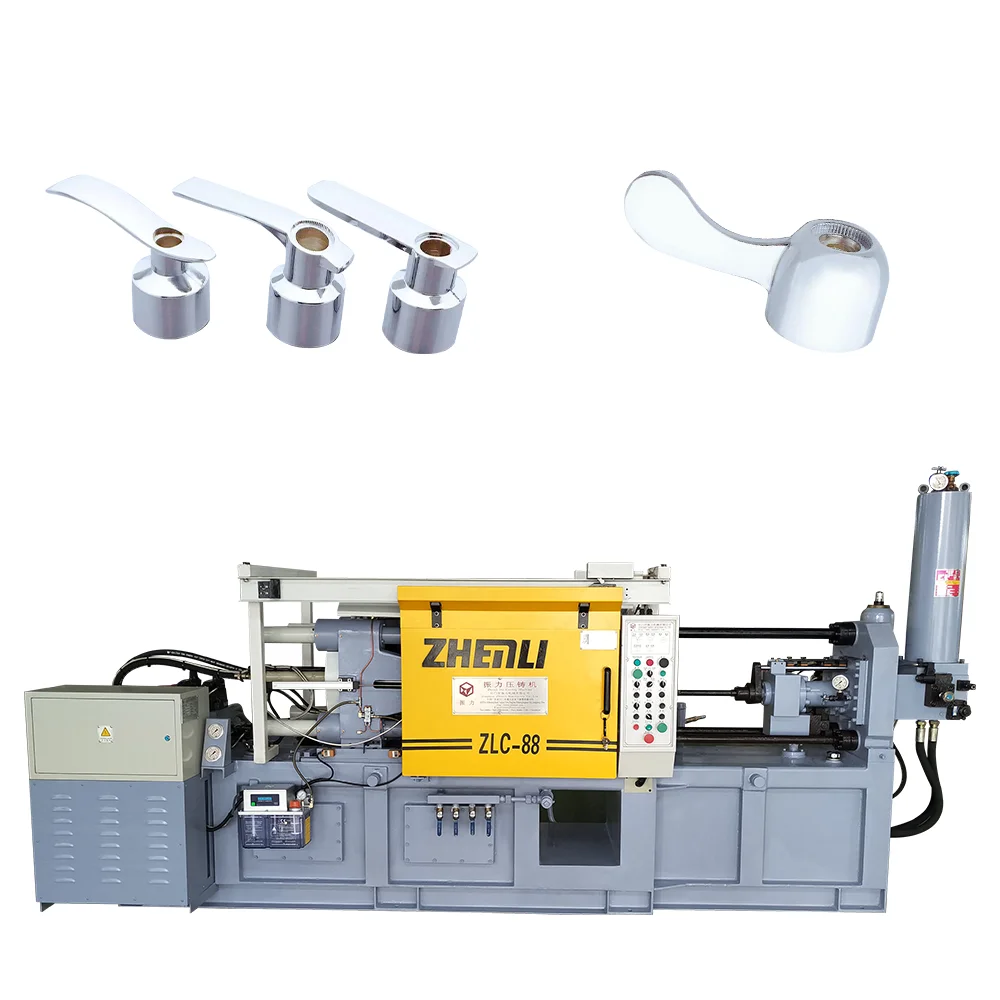
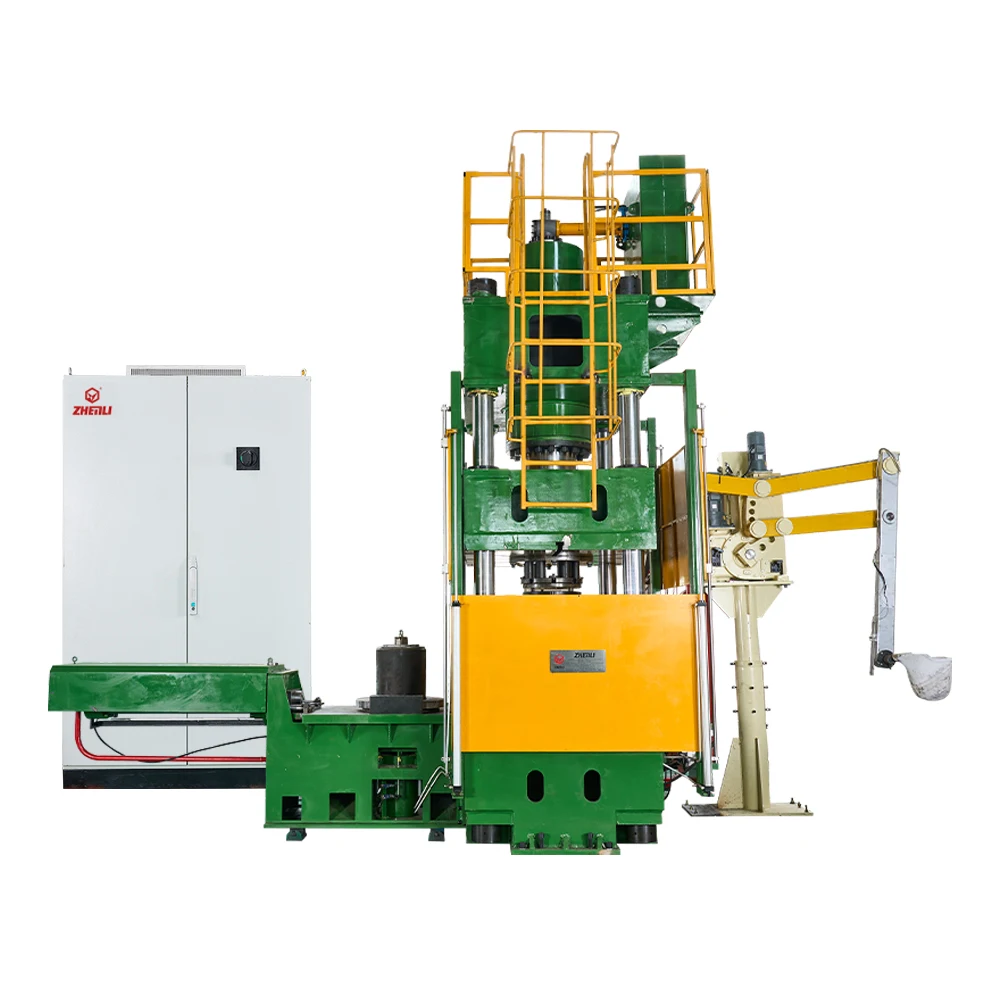
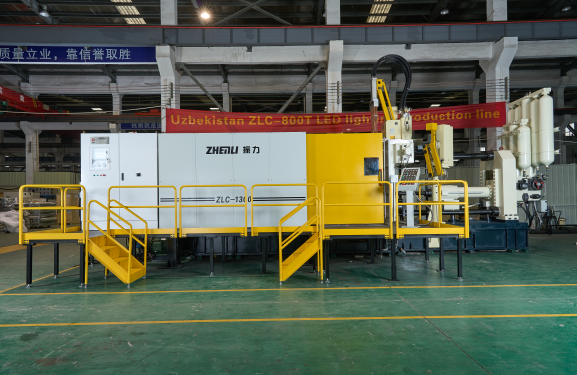
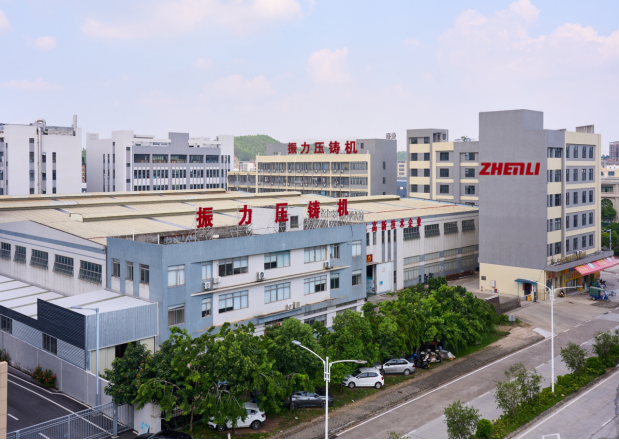
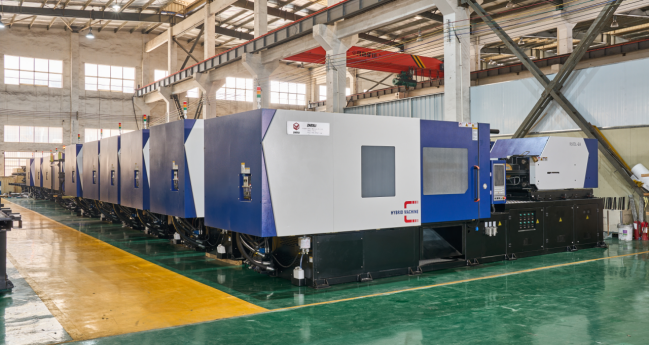
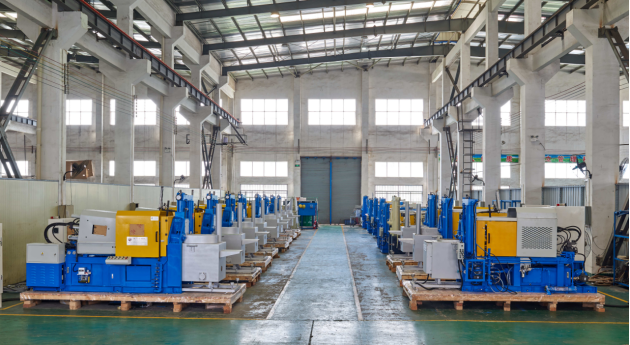
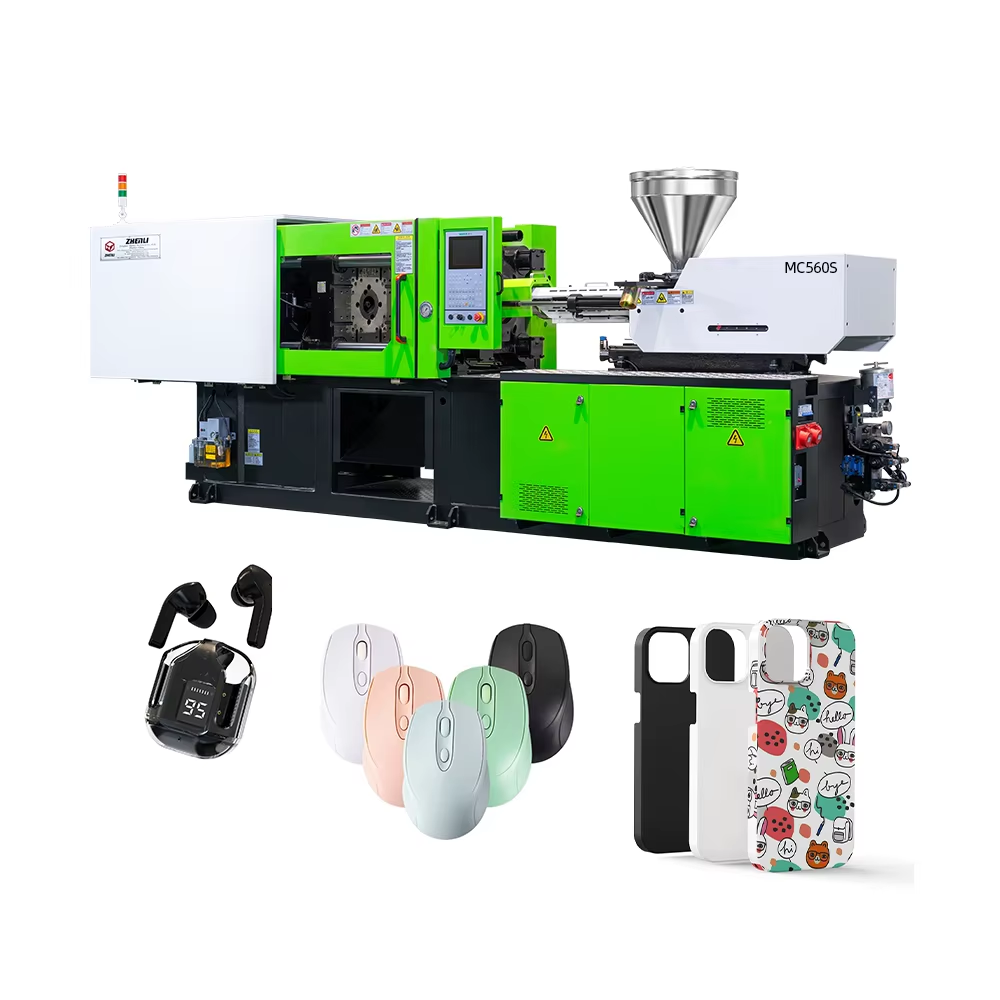
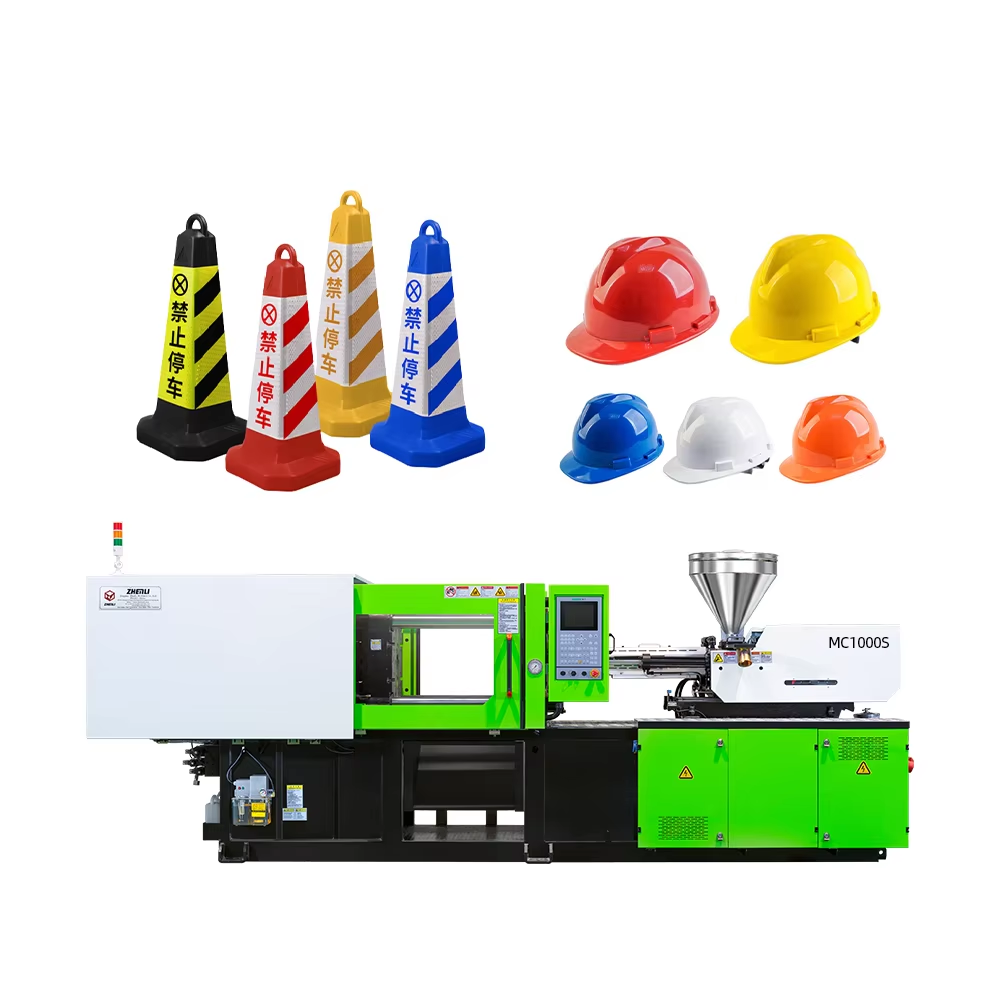
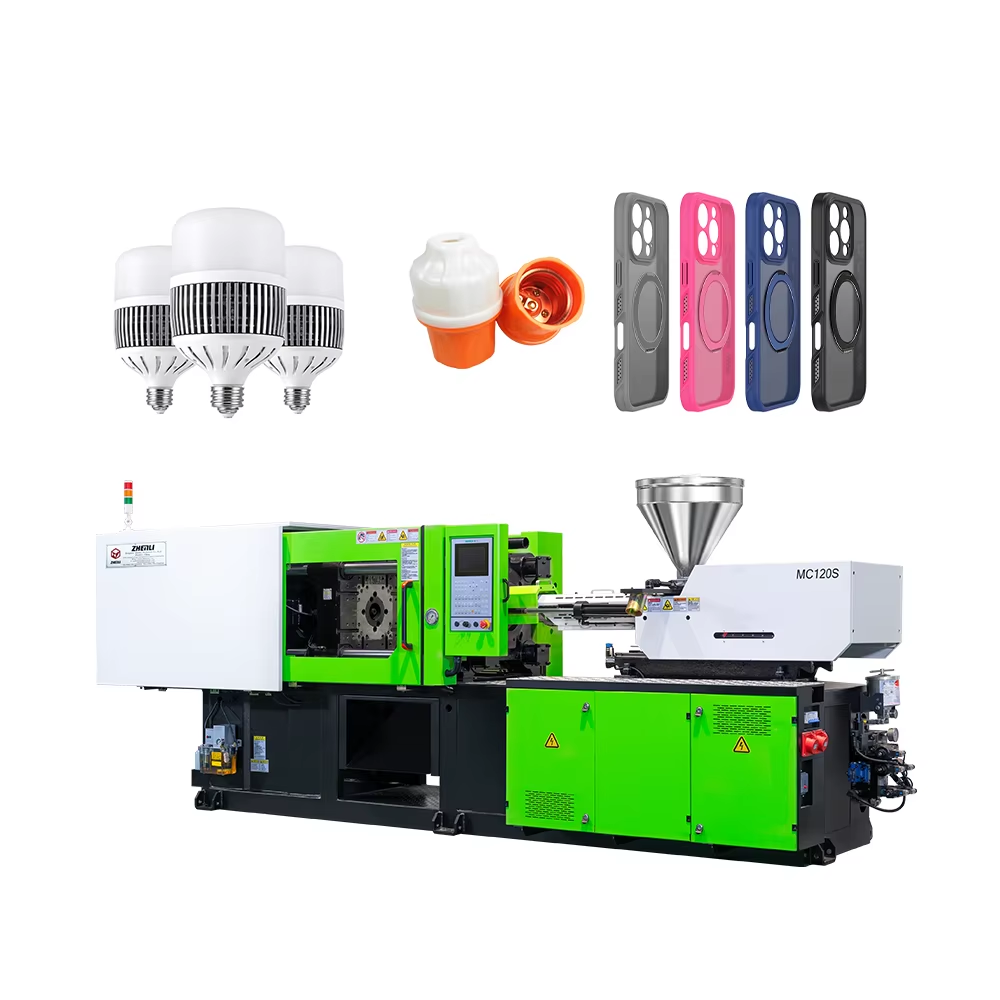
Jiangmen Zhenli Machinery Co., Ltd. delivers top-tier injection moulding machines, including plastic injection machines (ZLMC series), hot/cold chamber die casting machines (ZL/ZLC series), and specialized models for diverse materials. Certified by ISO, CE, and patents, these machines feature intelligent control systems (Siemens/ARCUCHI), stable injection units, and efficient die clamping mechanisms, ensuring short production cycles and high precision. The company offers one-stop services from technical consulting to commissioning, supports customization, and operates a 20,000 ㎡ factory with 20+ CNC machines. Selling to 50+ countries, Zhenli’s injection moulding machines cater to automotive, electronics, consumer goods, and industrial sectors, providing reliable, energy-efficient, and cost-effective solutions with global after-sales support.
Get A Quote
 EN
EN