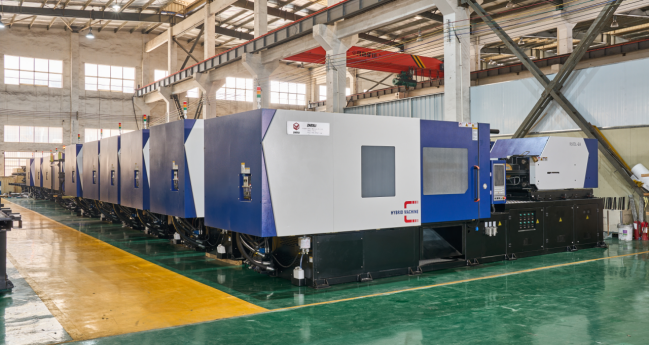
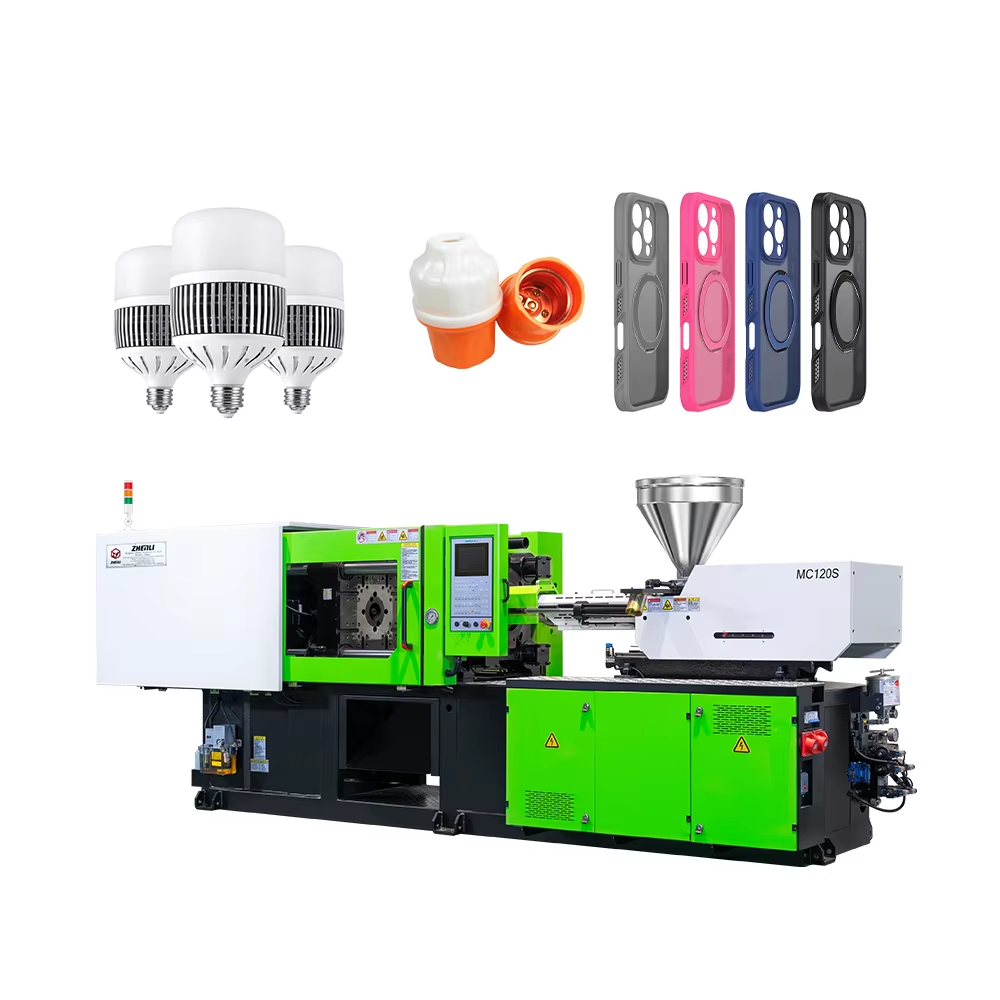
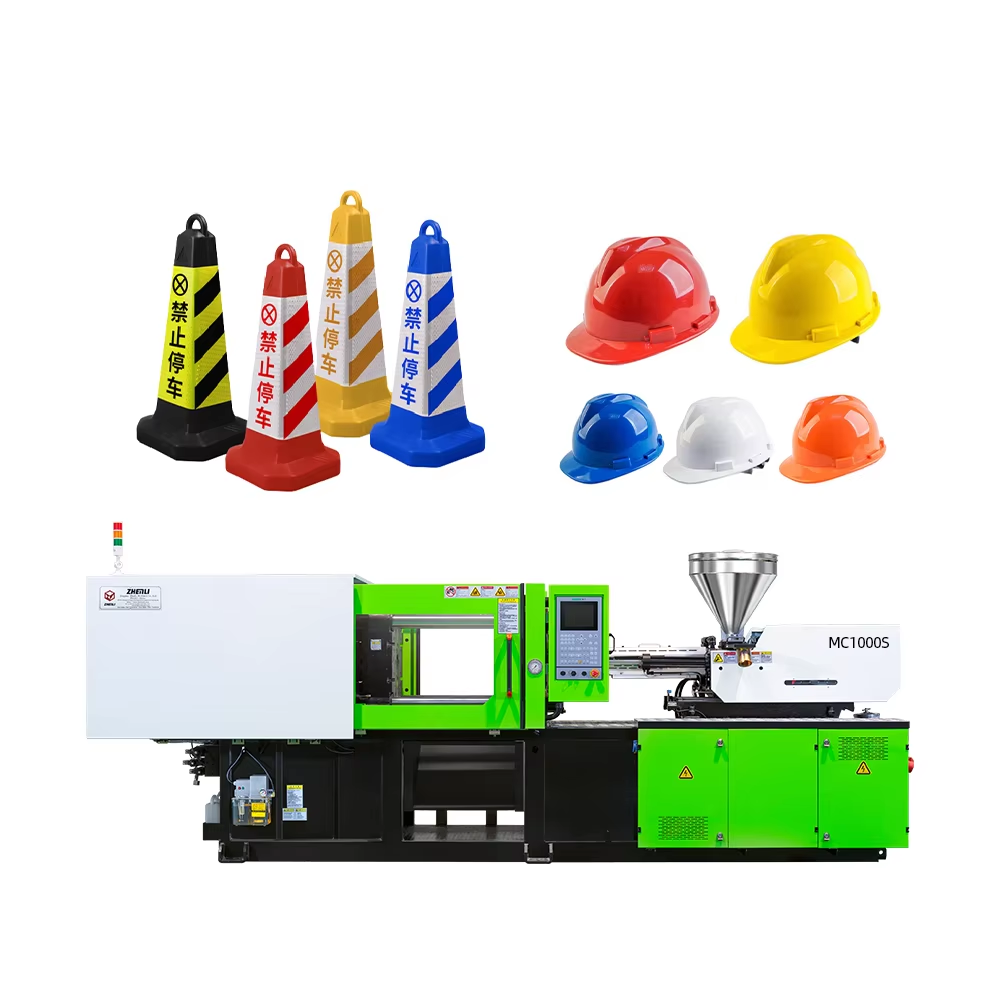
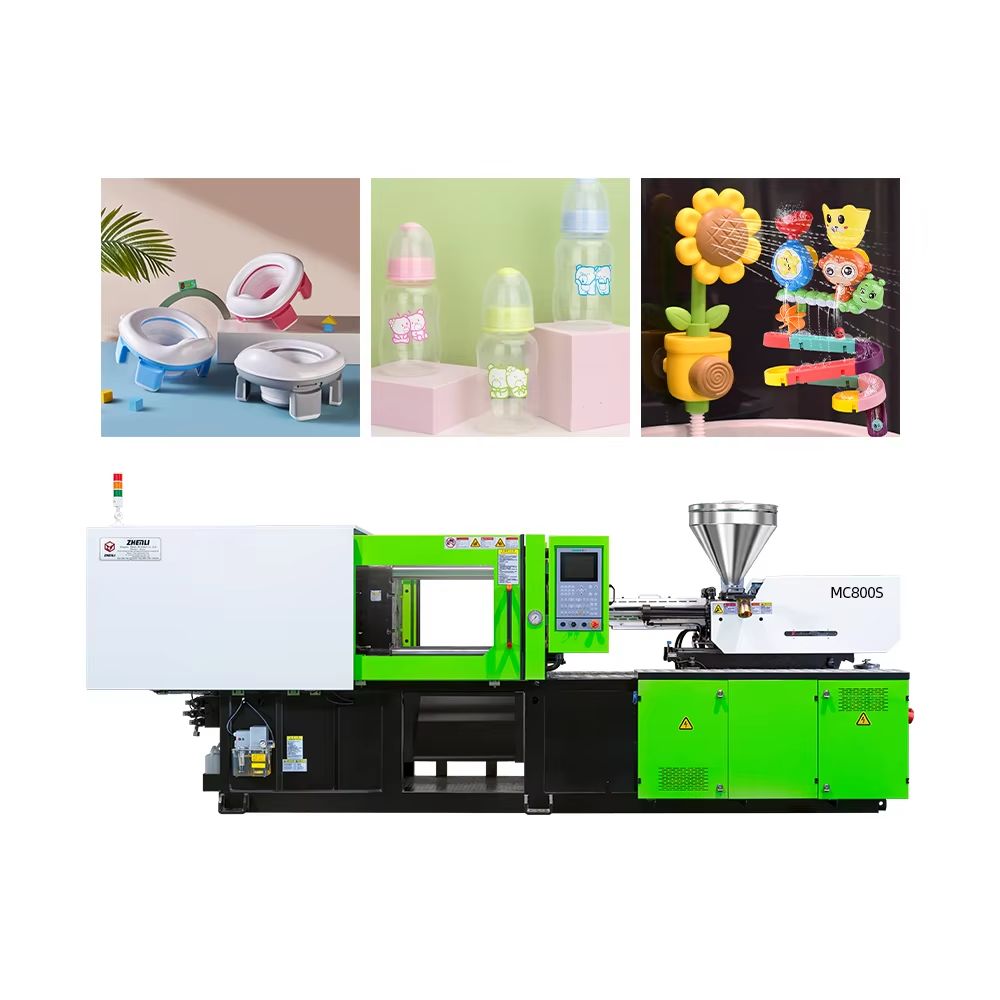
The PET preform injection machine is a precision centric variant of injection molding machinery, meticulously designed to handle the specific rheological and thermal demands of PET polymer. Its core function is to inject molten PET into high cavitation molds to create preforms with exacting dimensional and weight tolerances, often within ±0.1 gram. The machine architecture is defined by a reciprocating screw injection unit that must provide a homogeneous melt at temperatures typically between 265°C and 285°C, avoiding both degradation (which begins above 290°C) and insufficient crystallization. A dedicated dehumidifying dryer is an indispensable peripheral, pre heating and drying the PET resin to a dew point of 40°C to prevent molecular weight reduction. The injection phase is critical; it requires a fast fill speed to ensure the melt front remains hot and fluid as it travels through the hot runner system, followed by a meticulously profiled packing and holding phase to compensate for volumetric shrinkage without inducing excessive internal stresses. The clamping unit must be exceptionally rigid and parallel to handle the high injection pressures and prevent deflection in multi cavity molds, which is crucial for producing uniform preforms. Advanced machines employ closed loop control on injection speed, pressure, and screw position to guarantee repeatability from cycle to cycle. Furthermore, the mold temperature control is paramount, with separate cooling circuits for the body and neck ring of the preform to manage crystallinity—the body is kept cool (10 15°C) to maintain amorphous transparency, while the neck is kept warmer to ensure dimensional stability for the capping process. Integration with Industry 4.0 principles is becoming standard, with machines offering real time monitoring of key performance indicators (KPIs) like cycle time, scrap rate, and energy usage, enabling predictive maintenance and minimizing unscheduled downtime. For bottling plants, the choice of a PET preform injection machine hinges on its production yield (preforms per hour), its ability to process challenging materials like rPET with varying IV levels, and the total cost of ownership, which includes energy efficiency, maintenance intervals, and compatibility with existing blow molding lines.