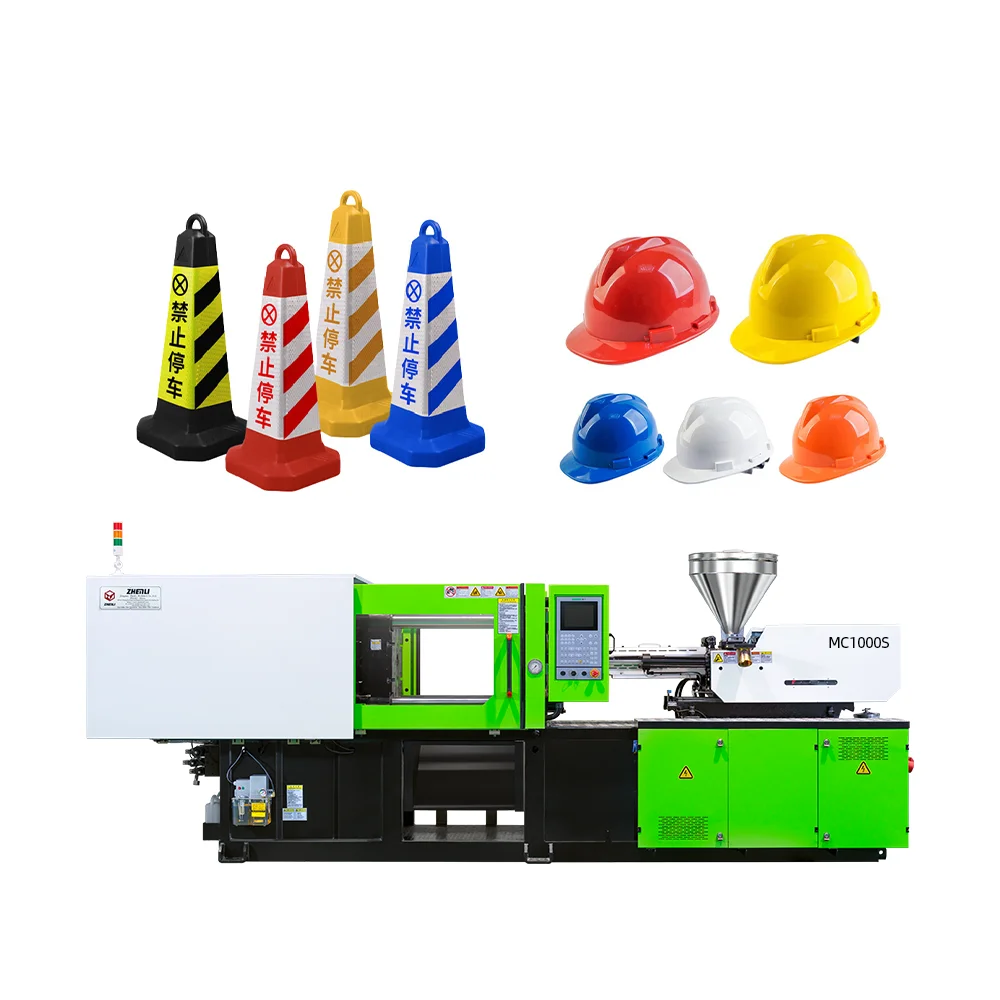
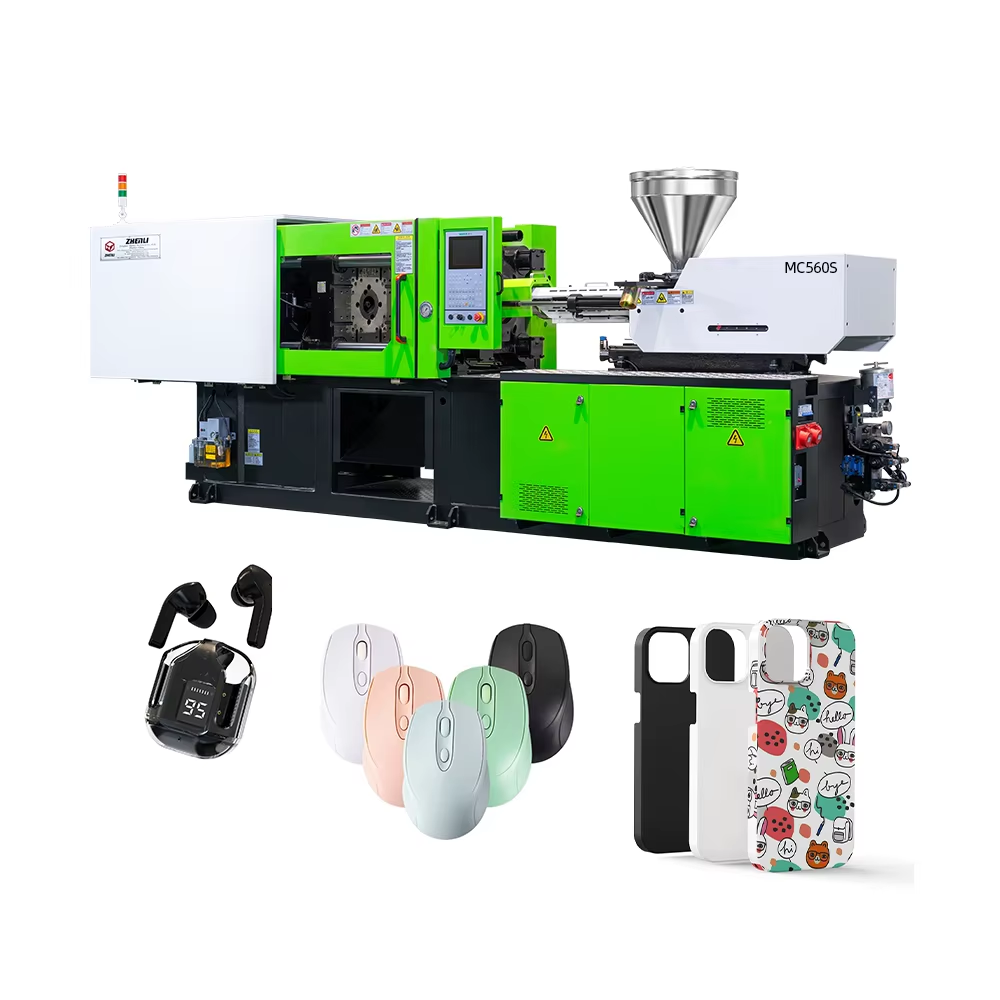
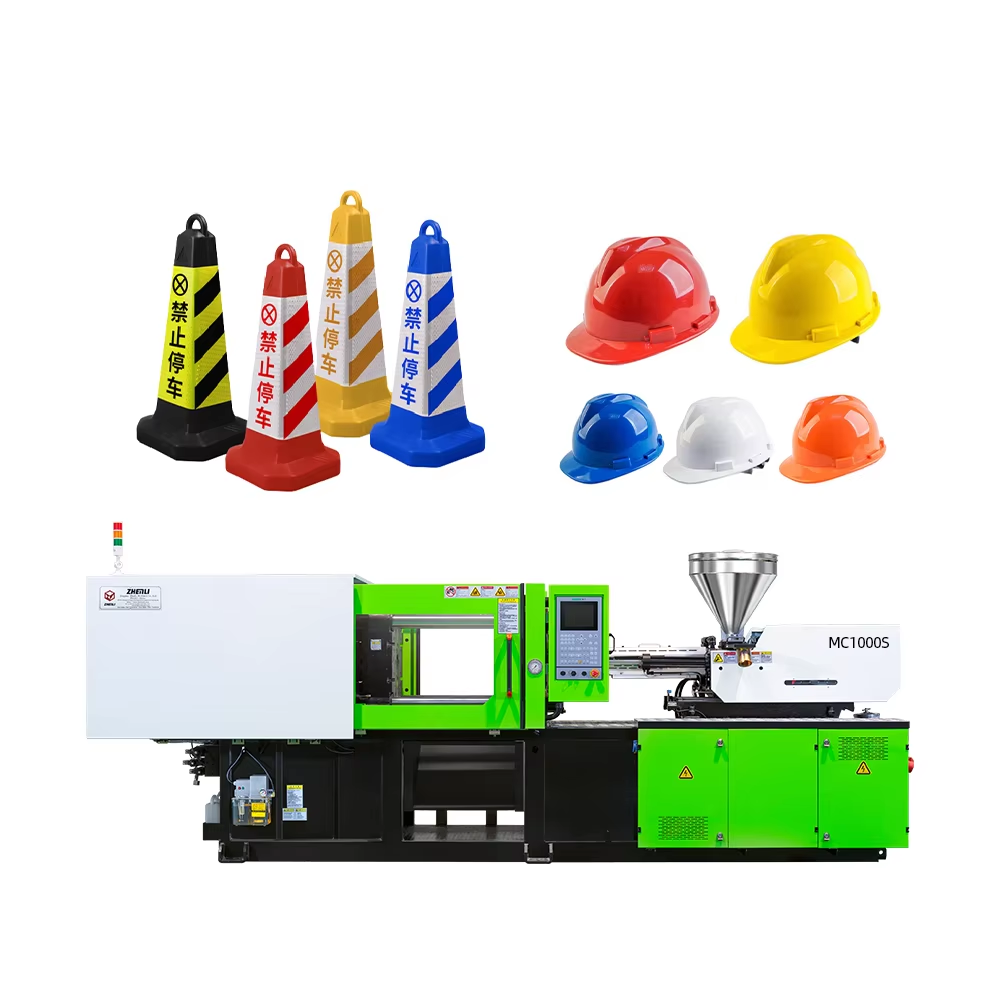
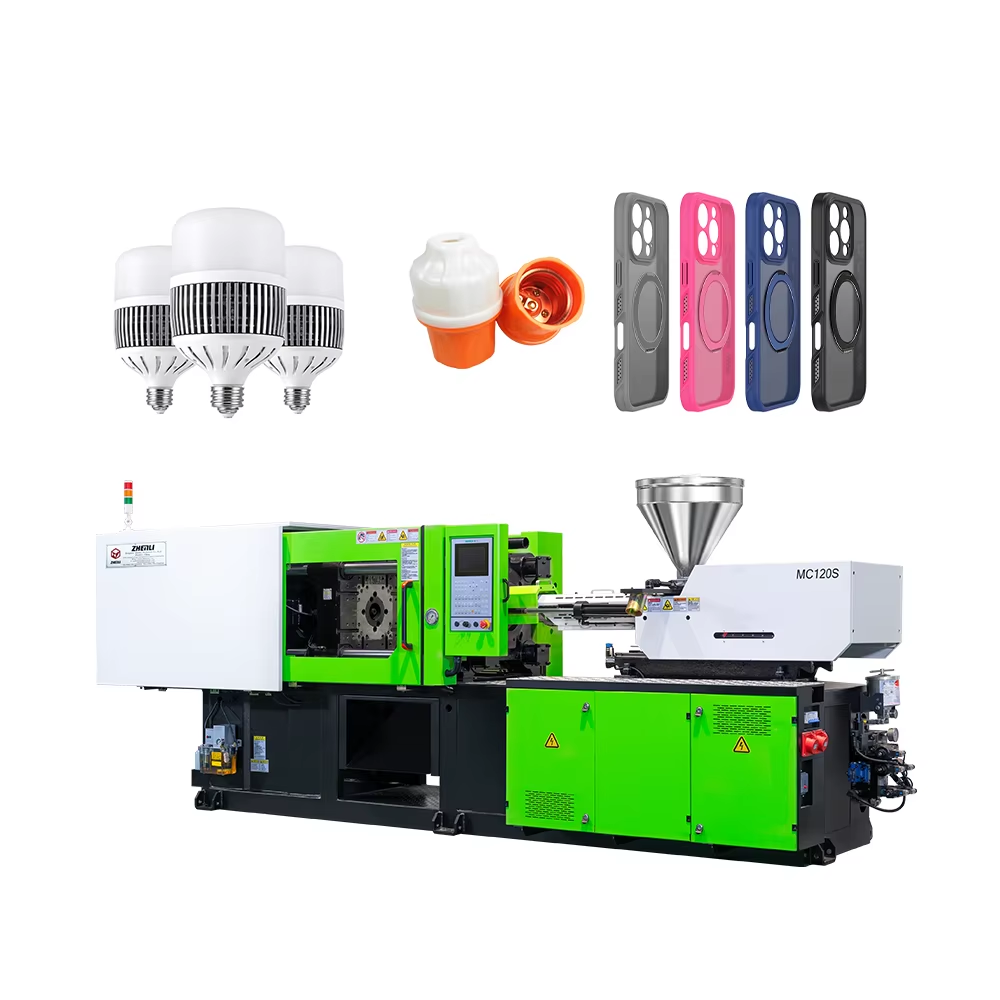
Machine injection moulding refers to the comprehensive technological process and engineering discipline centered on utilizing an injection moulding machine to manufacture plastic parts. This field encompasses not only the operation of the machine itself but also the intricate interplay between the machine, the mold tooling, the polymer material, and the processing parameters. The heart of the process is the machine's ability to execute a repeatable cycle: mold closing, injection of the molten polymer, packing and holding to compensate for shrinkage, cooling to solidify the part, mold opening, and part ejection. The scientific understanding of polymer rheology is critical here, as the flow behavior of the melt during the filling phase directly impacts part quality, influencing factors like weld line strength, orientation, and residual stress. Machine injection moulding has evolved with significant technological integrations, such as the use of CAE software for mold flow analysis to simulate and optimize the process virtually before tooling is cut. Furthermore, the advent of Industry 4.0 has introduced smart manufacturing capabilities, where machines are equipped with sensors for real time monitoring of key variables like cavity pressure and melt temperature, enabling closed loop control and predictive maintenance. This discipline also covers specialized techniques like multi shot molding, insert molding, and micro molding, each requiring specific machine configurations and expertise. The choice of machine type—be it hydraulic for robust power, electric for clean room precision and energy savings, or vertical for insert loaded applications—is a fundamental decision. Ultimately, successful machine injection moulding is an exercise in systematic optimization, balancing cycle time, part quality, and operational cost, and it remains the most prevalent method for the high volume production of precise and complex plastic components globally.