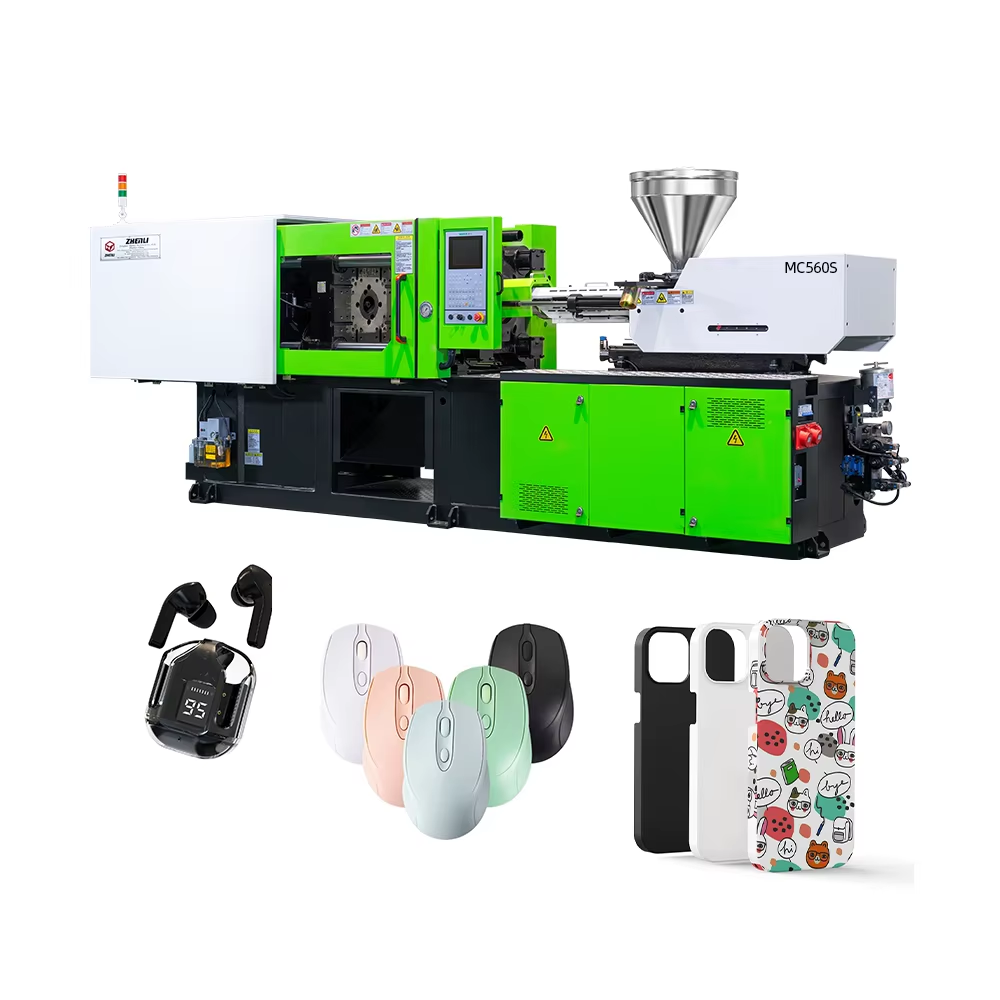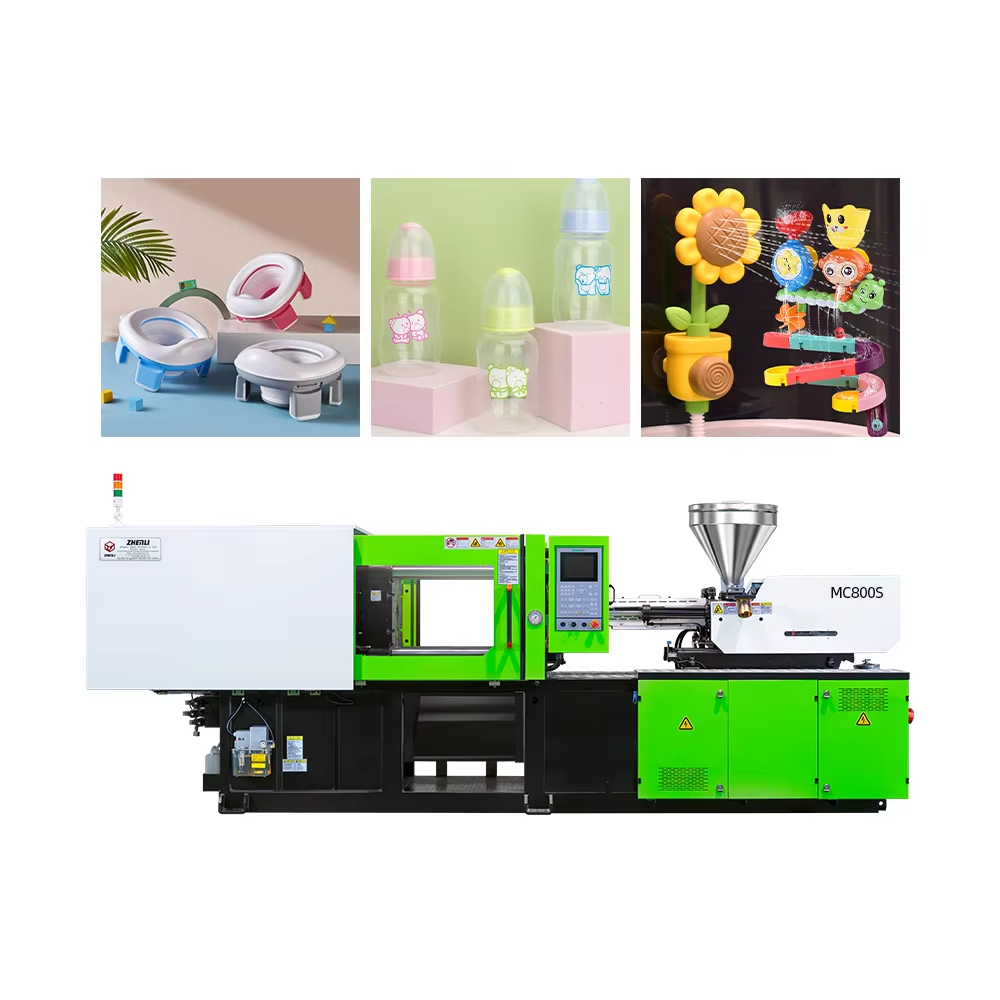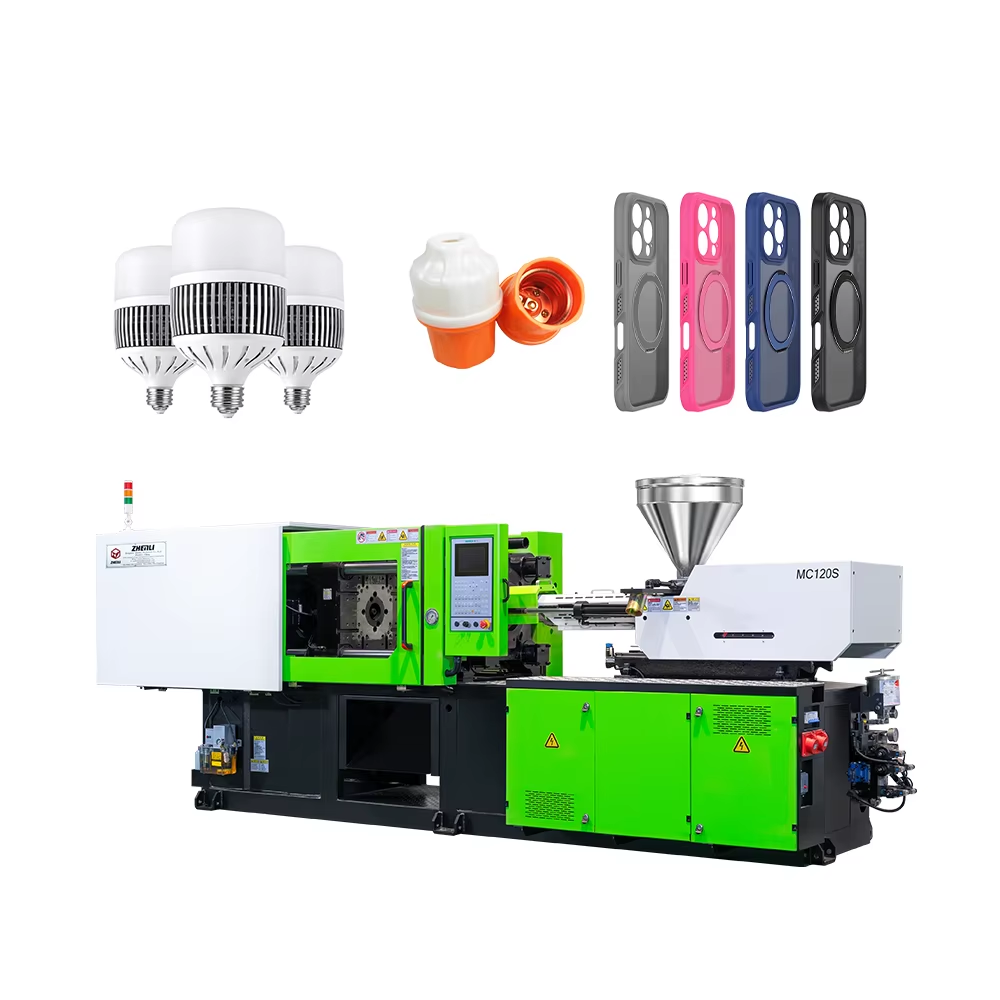
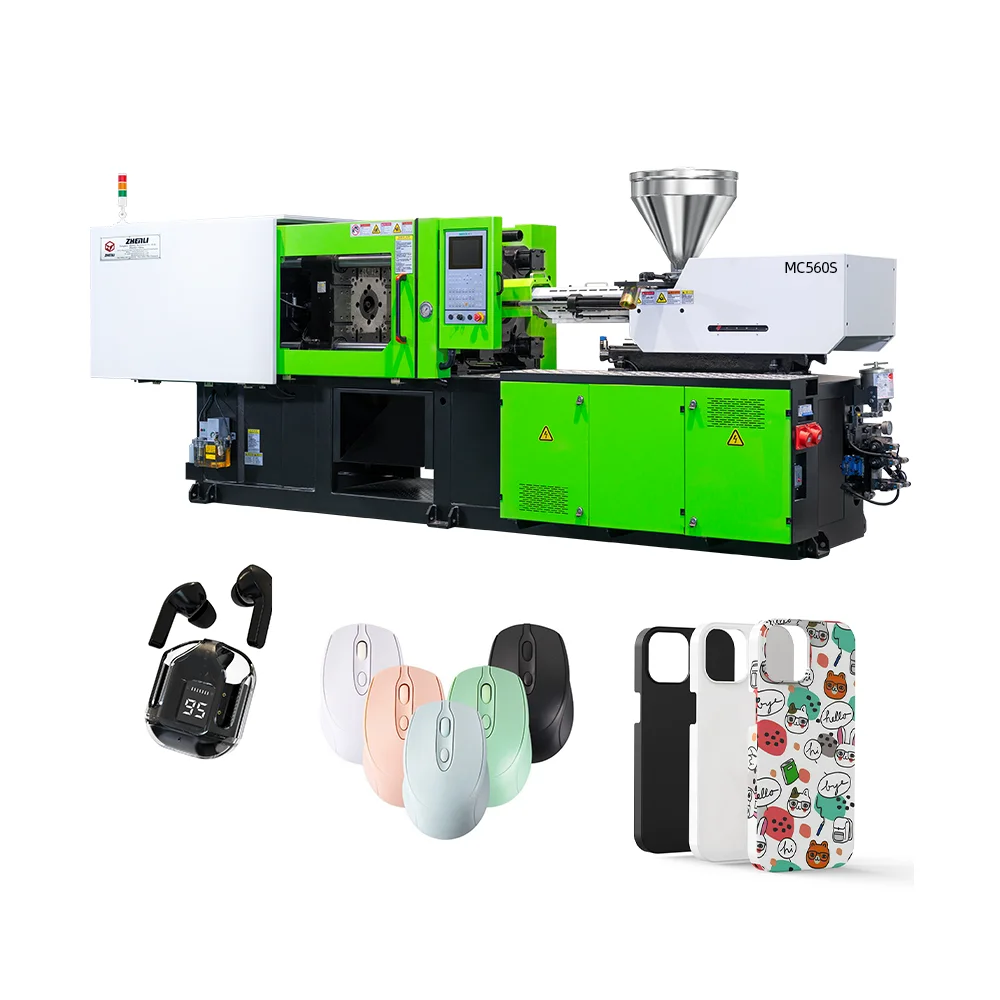
The small plastic injection molding machine is an essential asset for startups, niche manufacturers, and research institutions, enabling the cost effective production of small, precision plastic parts. Characterized by their modest clamping force (often 5 to 50 tons) and shot capacity (1 to 30 grams), these machines excel in applications requiring high detail and tight tolerances, such as micro fluidic devices, electronic connectors, and medical components. Their design emphasizes accessibility and ease of operation, often featuring a vertical clamping orientation to simplify insert molding and overmolding operations. The heart of the machine is its control system, which in contemporary models is a digital interface providing fine grained command over injection speed profiles, pack/hold pressure stages, and barrel temperature zones. This level of control is crucial for processing advanced materials like liquid crystal polymers (LCPs) or peek, which require high melt temperatures and specific thermal histories. Many small machines now leverage all electric drive technology for its quiet operation, minimal heat generation, and pinpoint accuracy in screw positioning, which directly translates to superior part consistency and reduced scrap rates. From a financial perspective, these machines offer a low barrier to entry for manufacturing, with prices varying significantly based on the level of automation, control sophistication, and brand reputation. Operational costs are manageable, but attention must be paid to factors like energy source (standard single phase or three phase power), maintenance schedules for the screw and barrel, and the availability of custom mold bases. The versatility of small plastic injection molding machines makes them a cornerstone of distributed manufacturing and on demand production models, aligning with global trends towards agility and customization in the industrial sector.