Jiangmen Zhenli Machinery: Molding Machines for Sale – Die Casting & Injection Molding Solutions
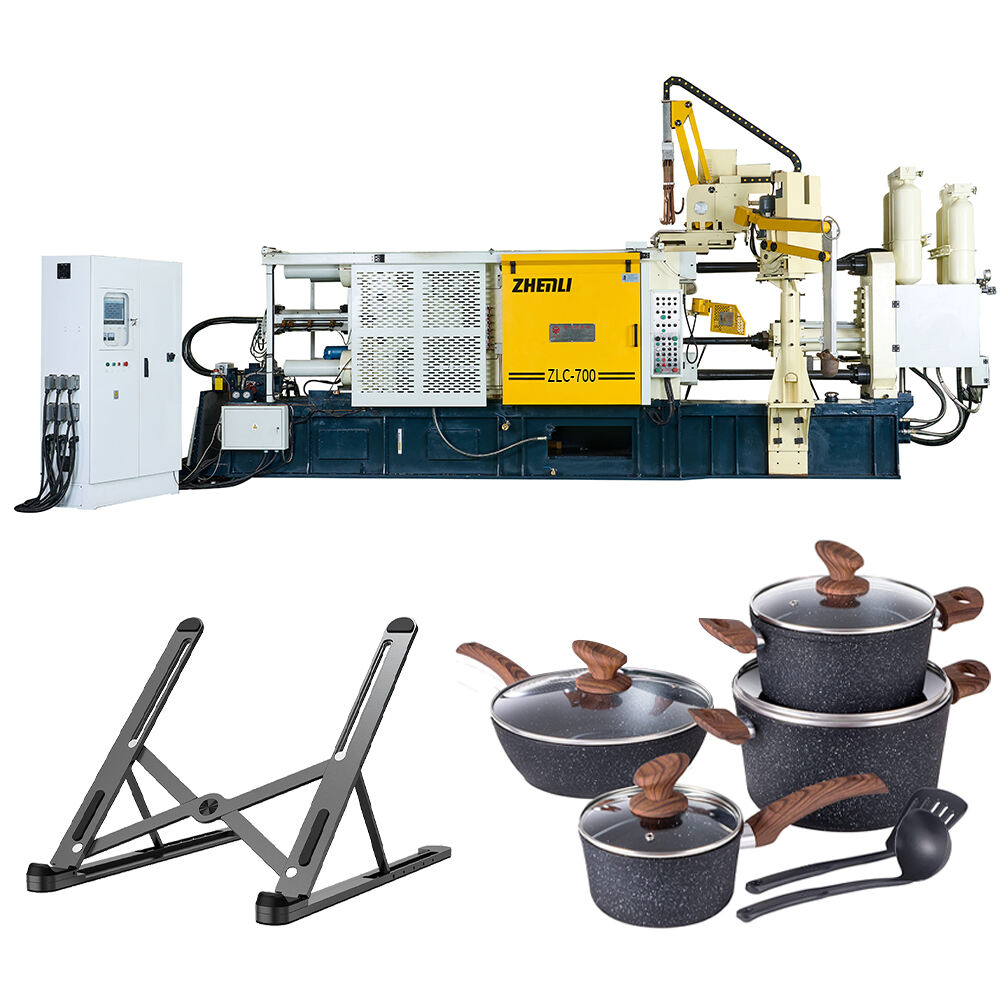
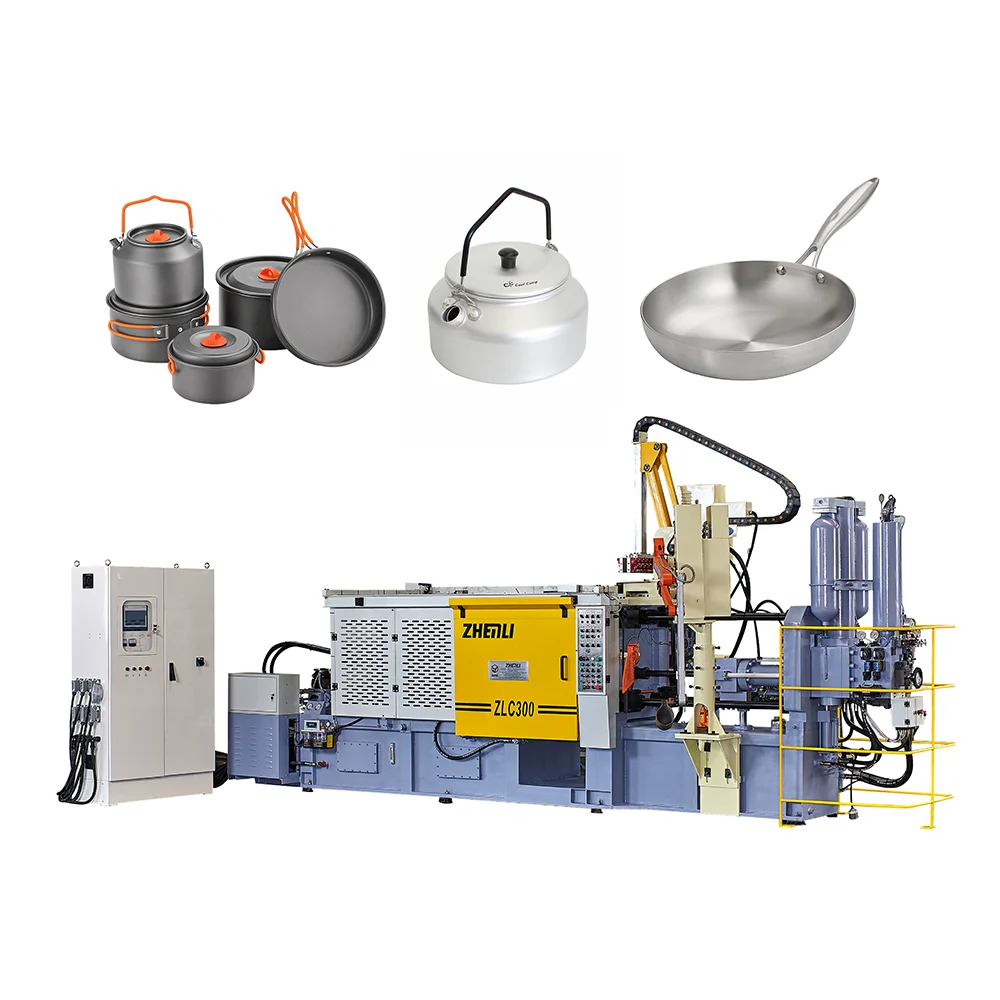
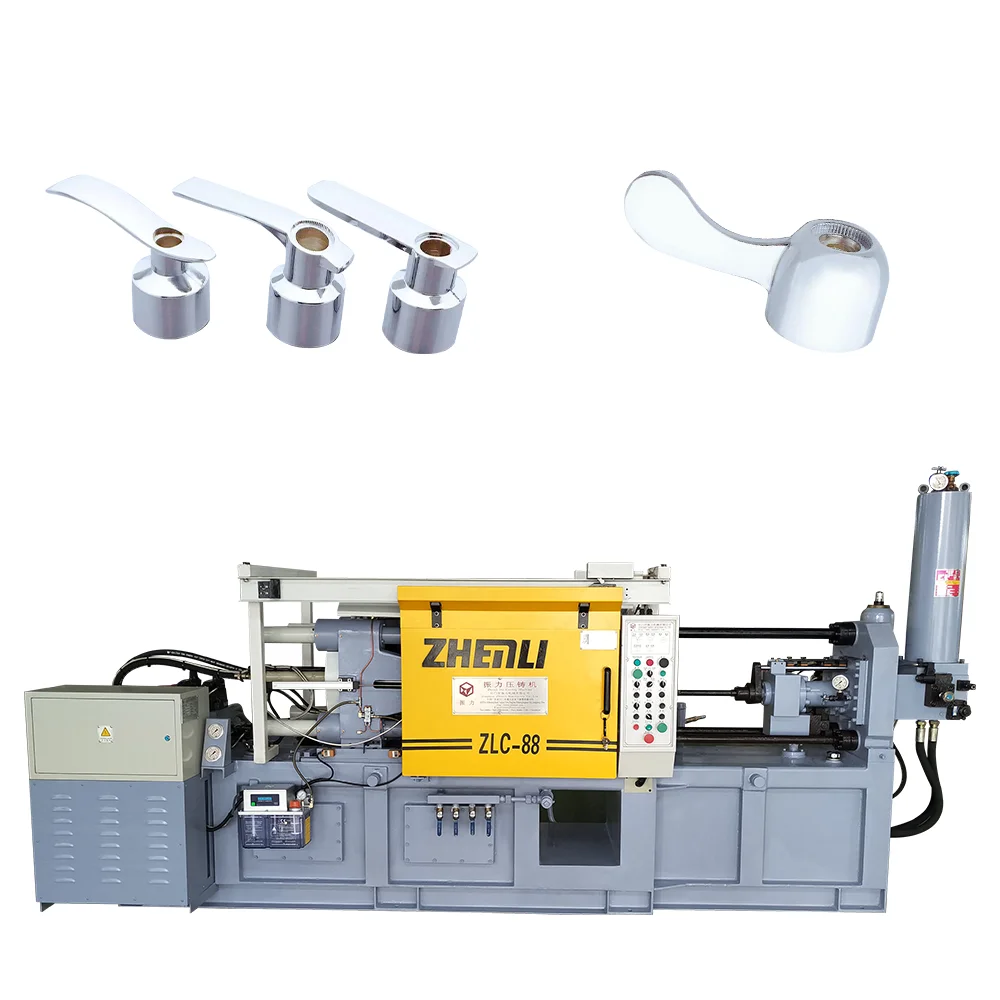
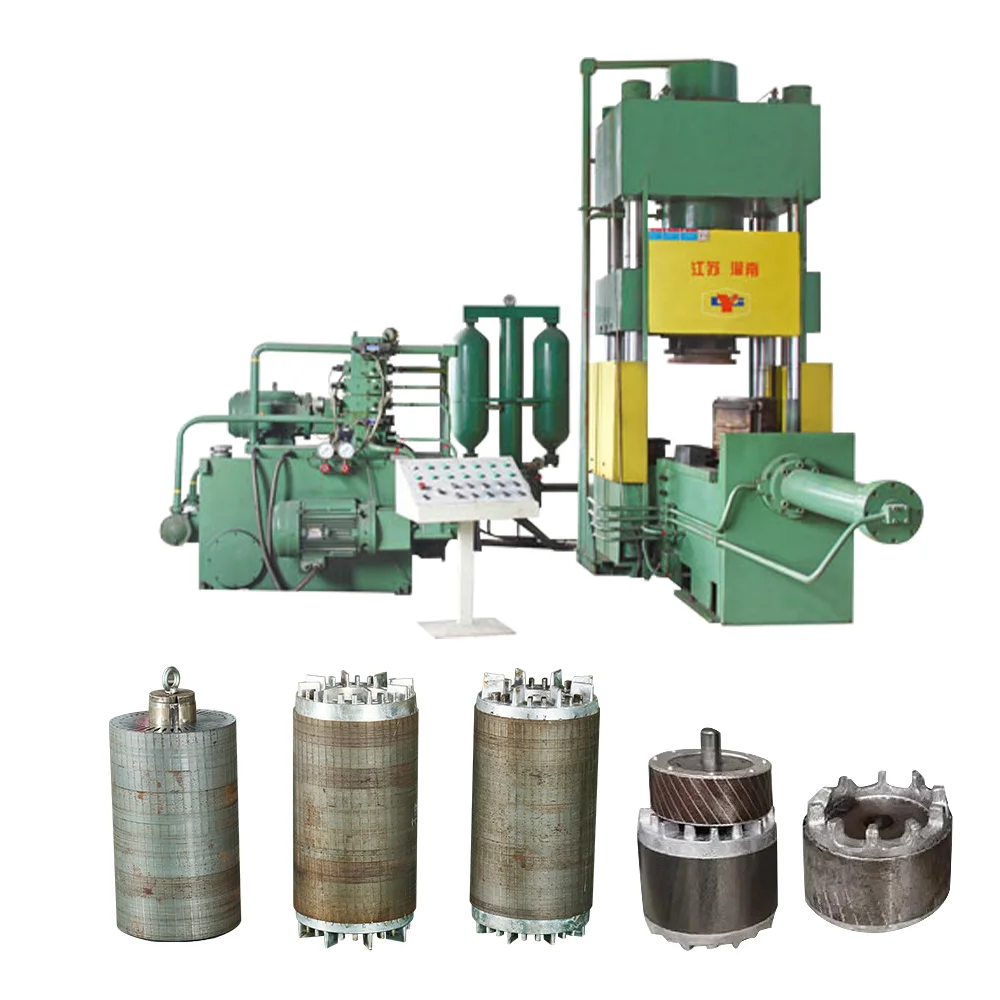
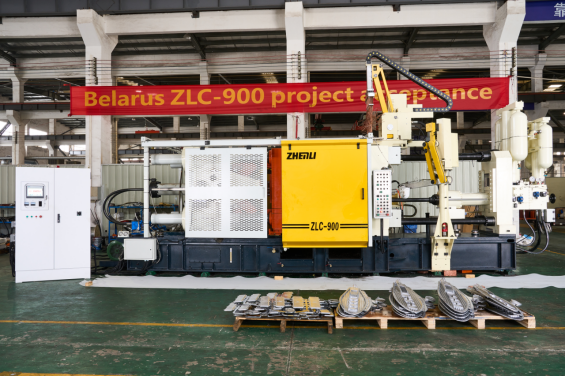
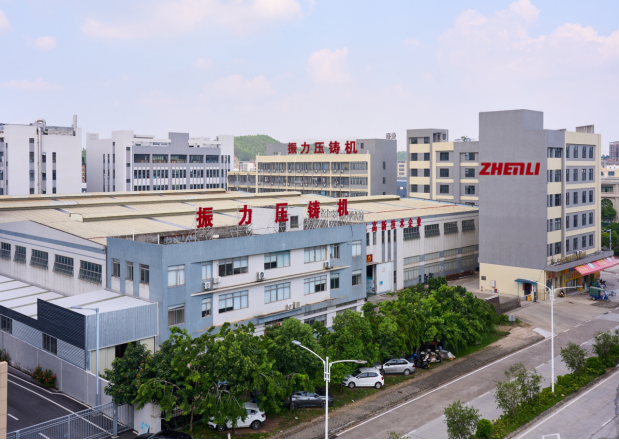
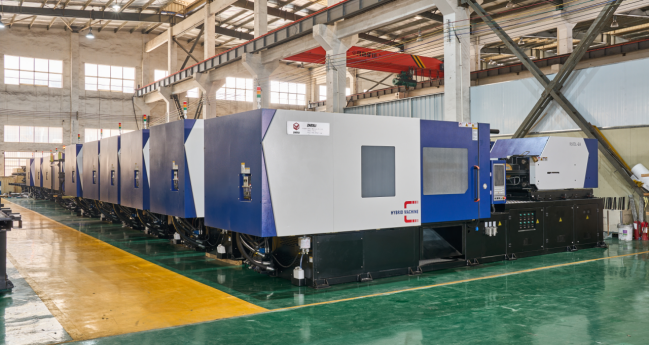
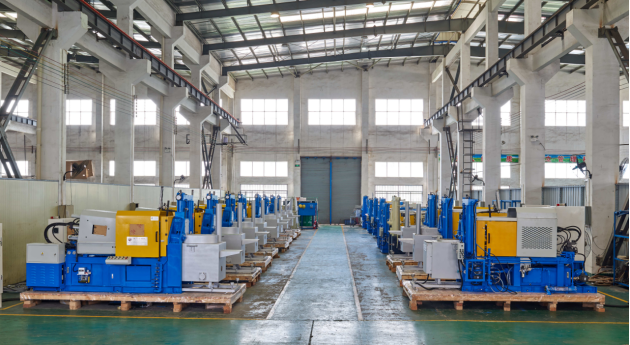
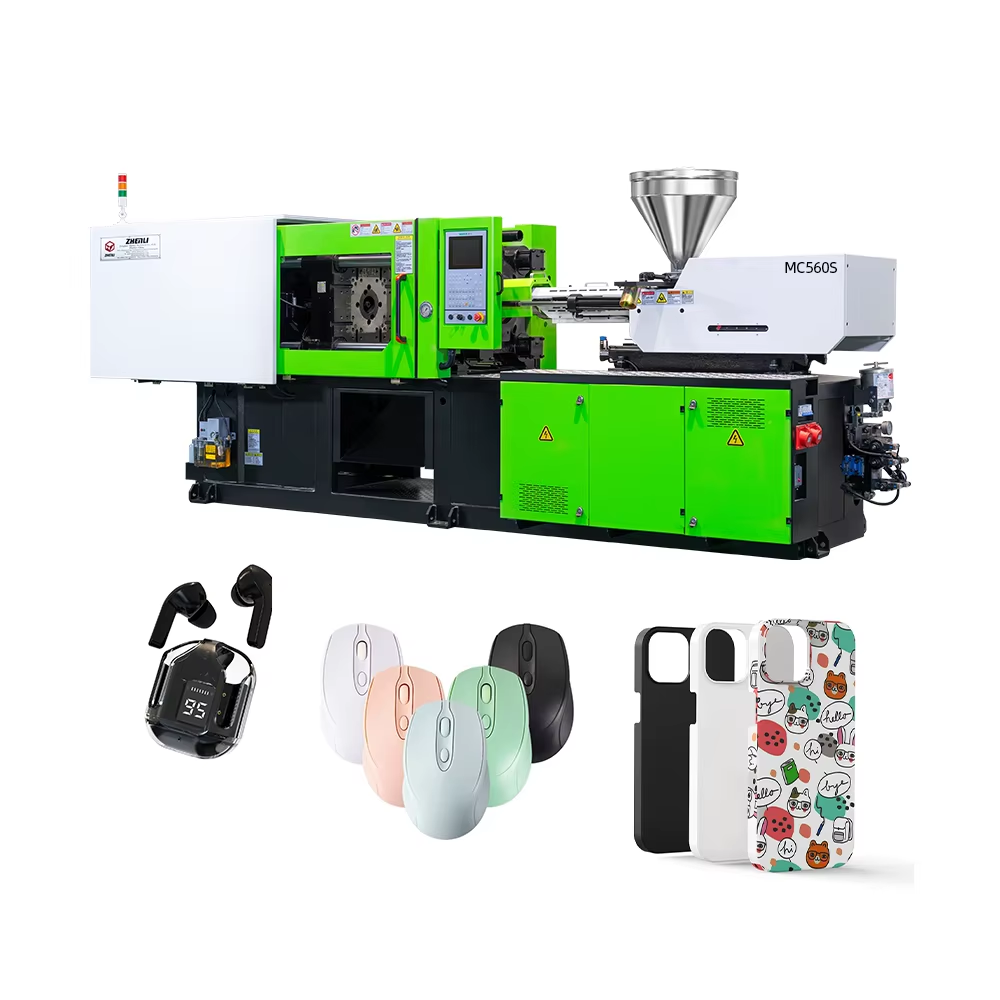
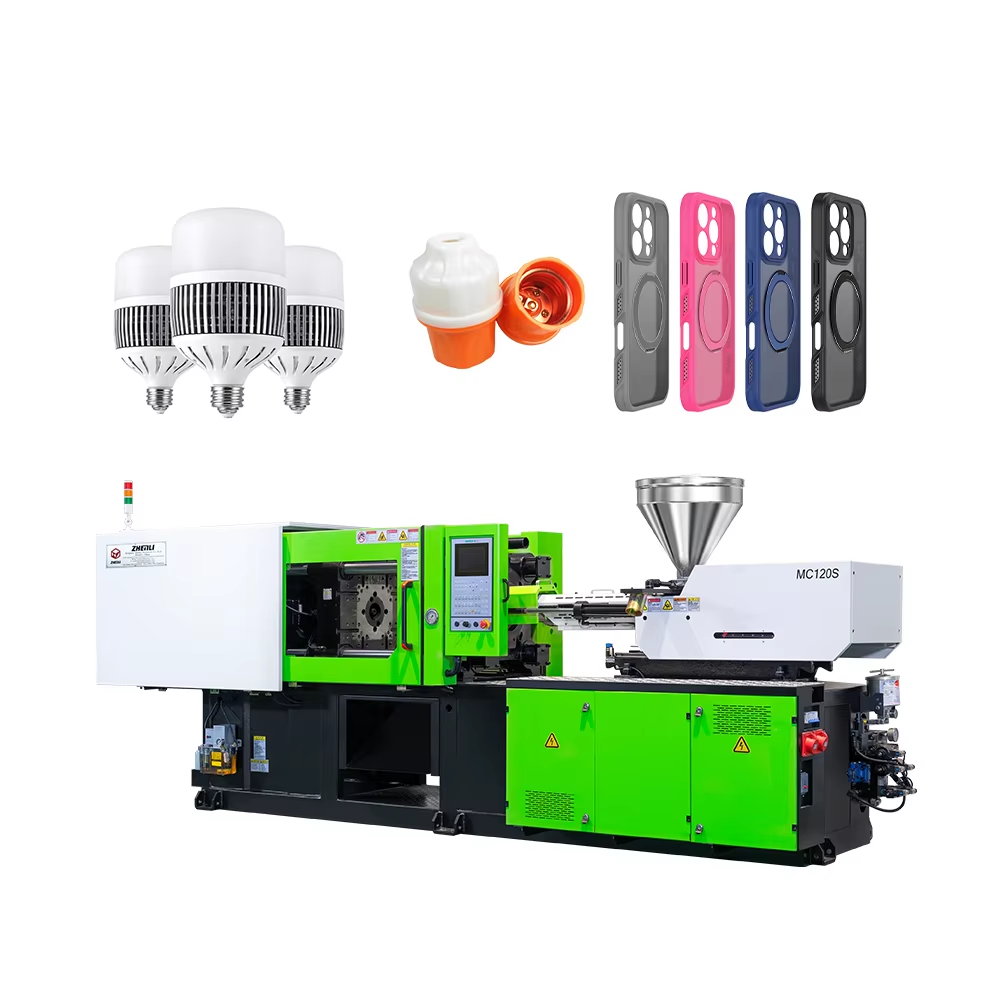
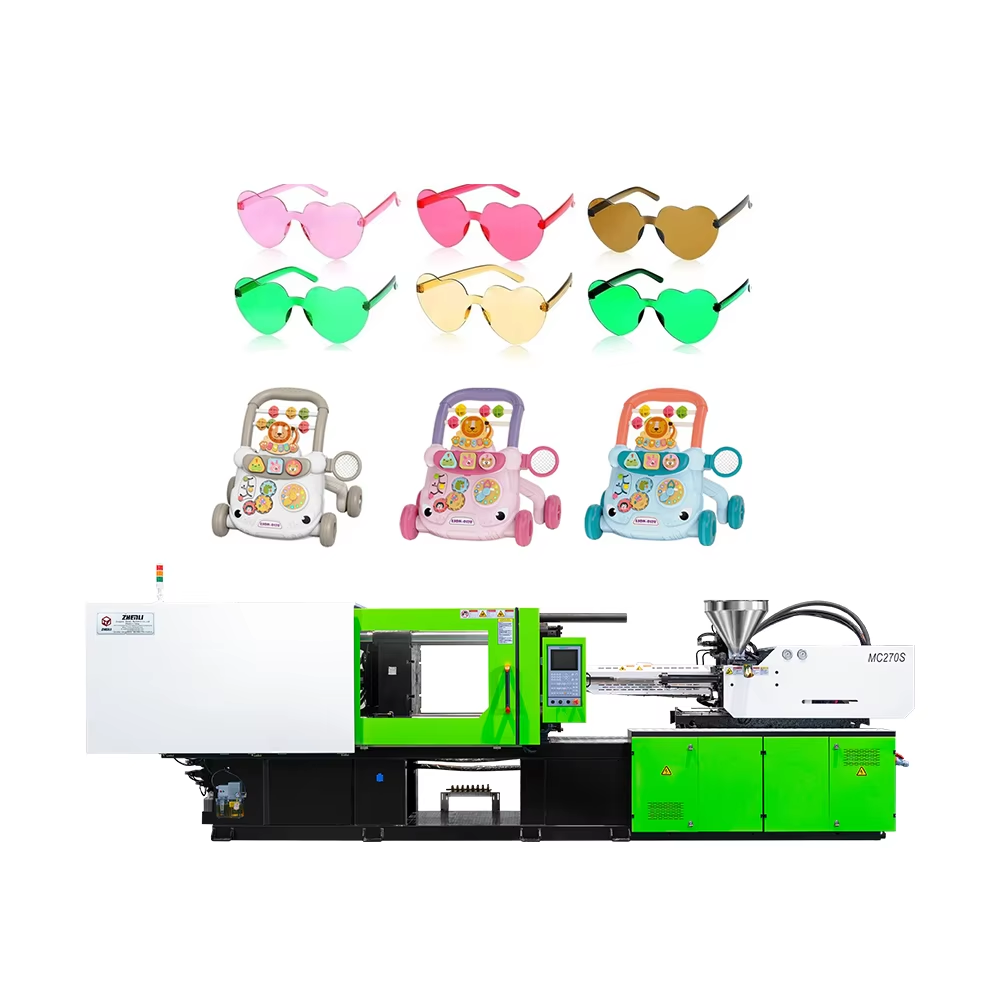
Jiangmen Zhenli Machinery Co., Ltd. provides a wide range of molding machines for sale, including hot/cold chamber die casting machines (ZL/ZLC series), plastic injection molding machines (ZLMC series), low pressure die casting machines, and peripheral equipment. Available in various tonnages (12T-4500T), the machines meet ISO, CE, and patent standards, featuring high-strength die clamping, stable injection, and intelligent control systems. The company offers one-stop services from technical consulting to assembling & commissioning, supports customization, and ensures global delivery to 50+ countries. With a 20,000 ㎡ factory and over 20 CNC precision machines, Zhenli delivers cost-competitive, high-quality molding machines for automotive, electrical, industrial, and consumer goods industries.
Get A Quote
 EN
EN