Jiangmen Zhenli Machinery: Professional PVC Injection Machine & Global Molding Equipment Supplier
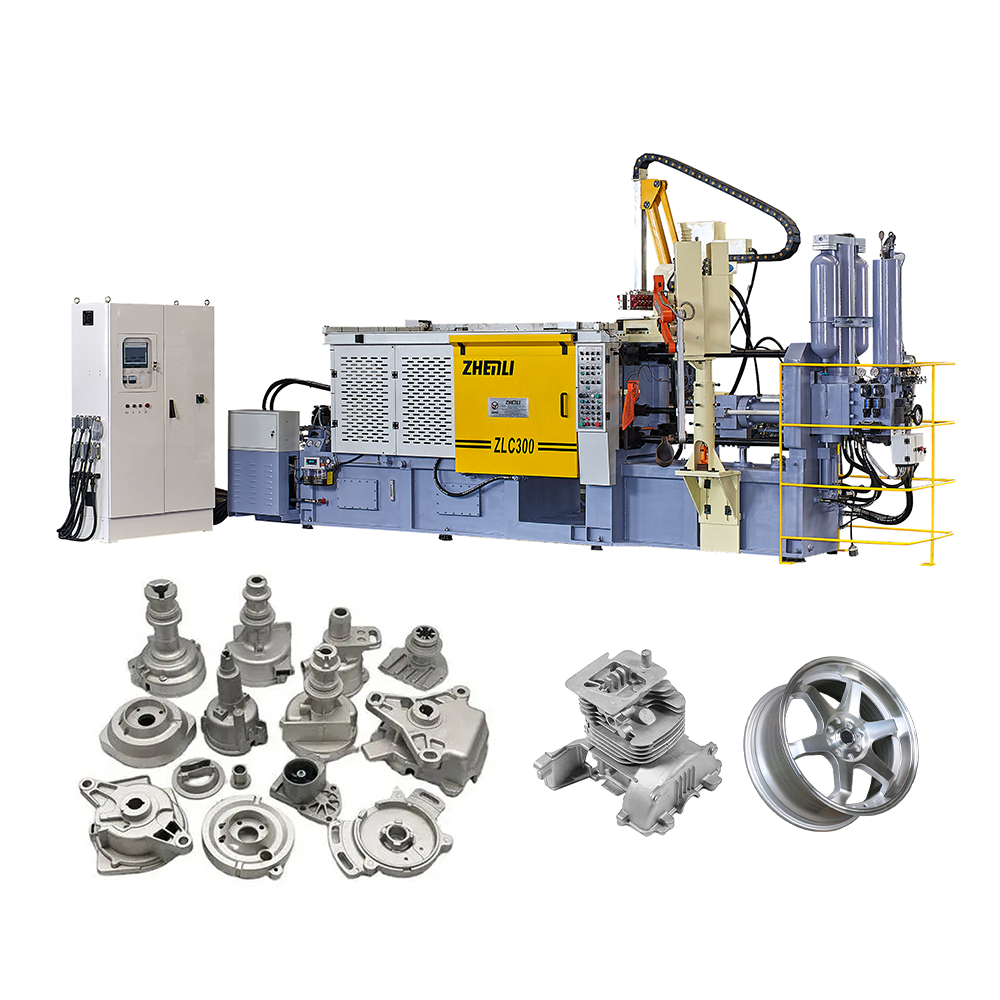
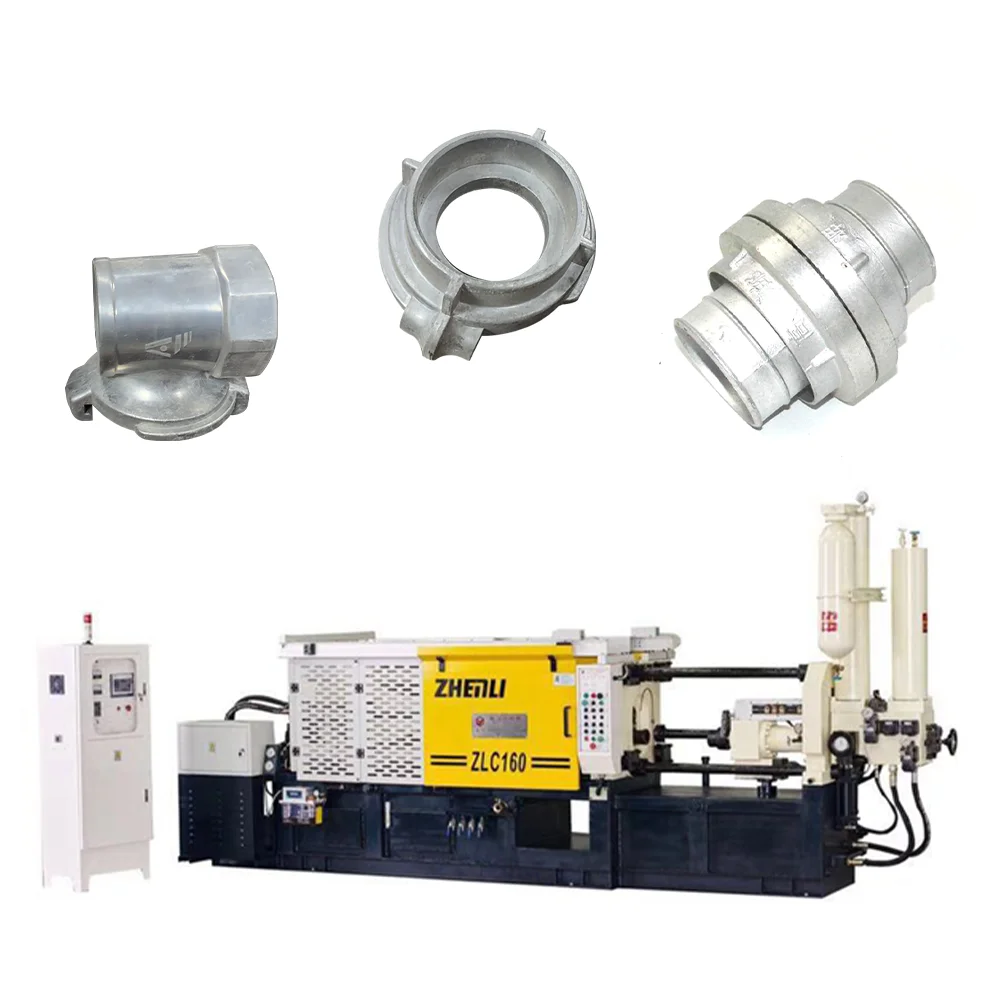
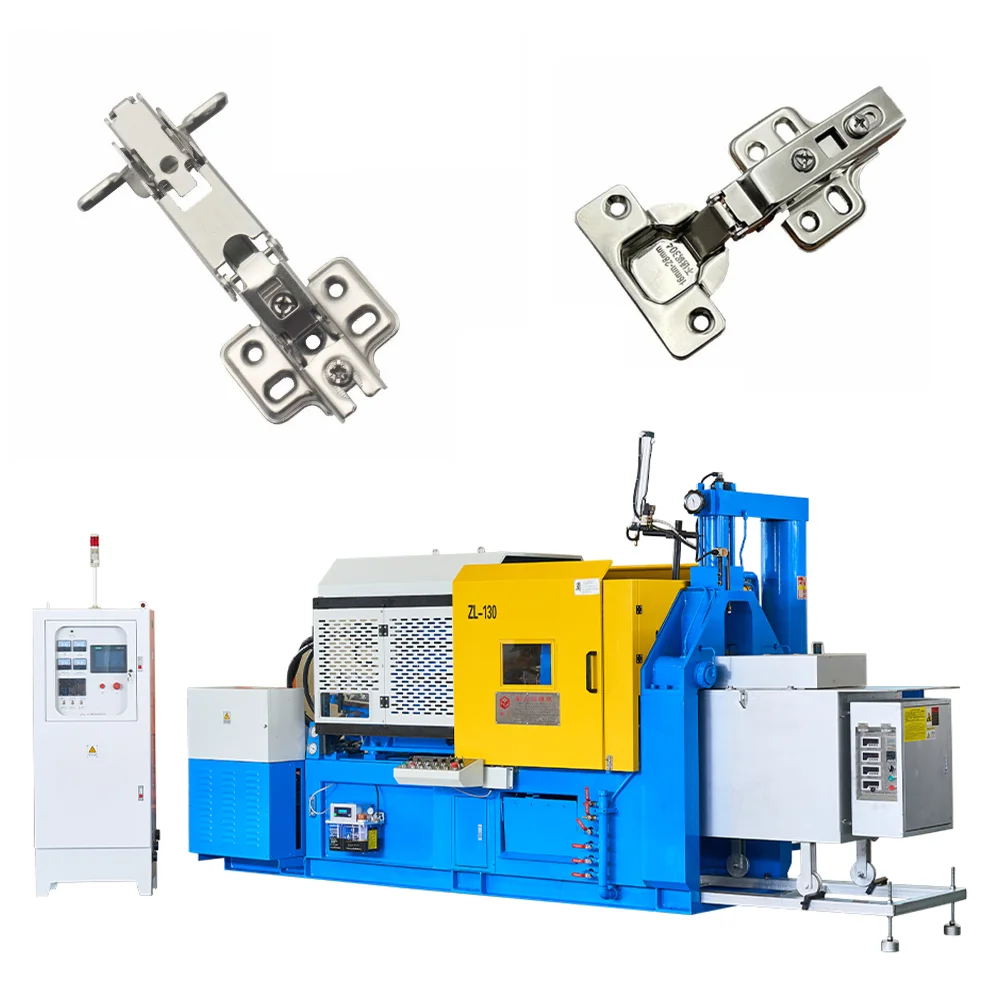
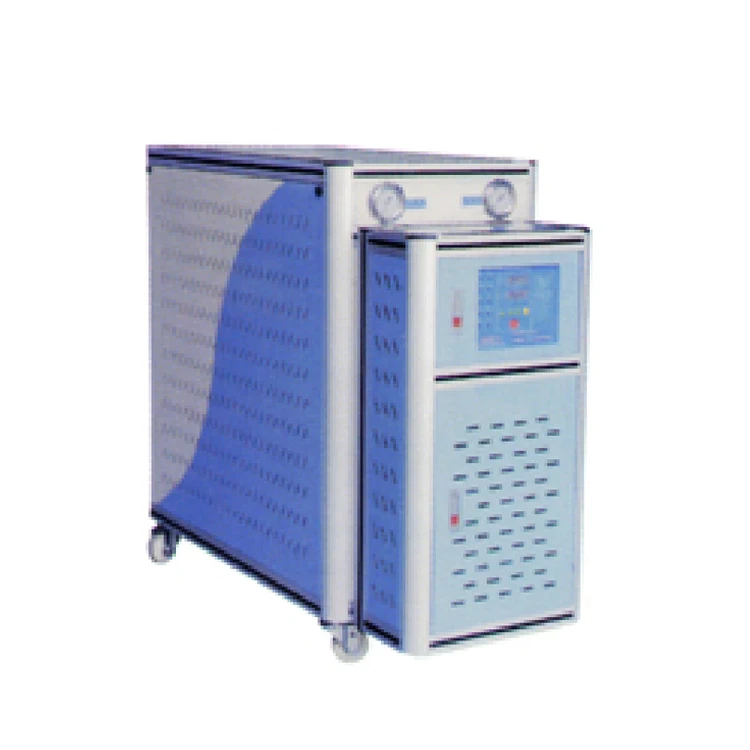
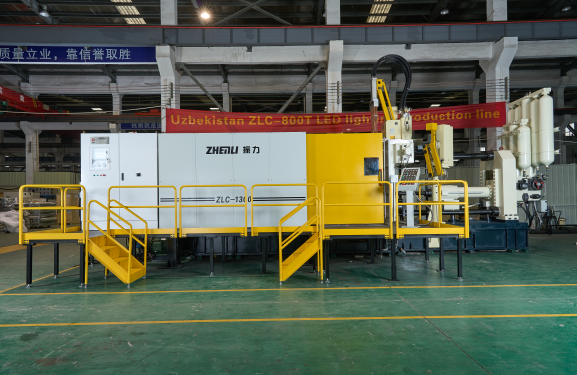
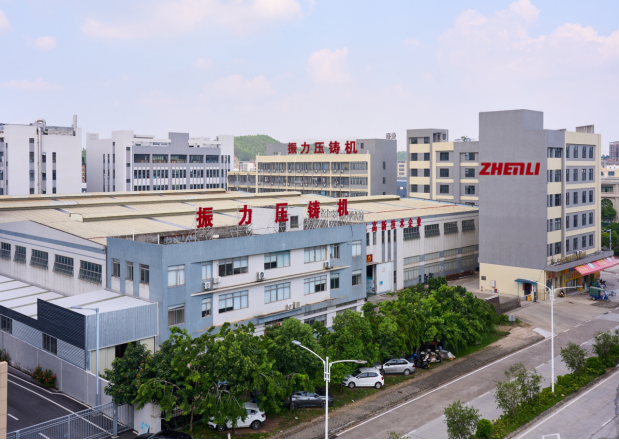
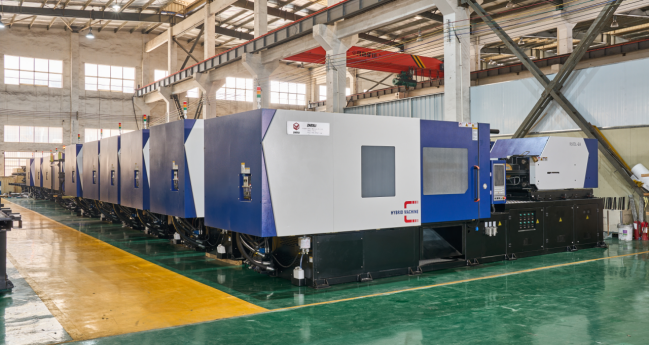
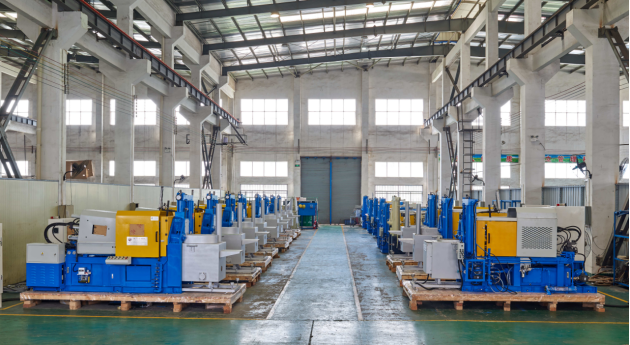
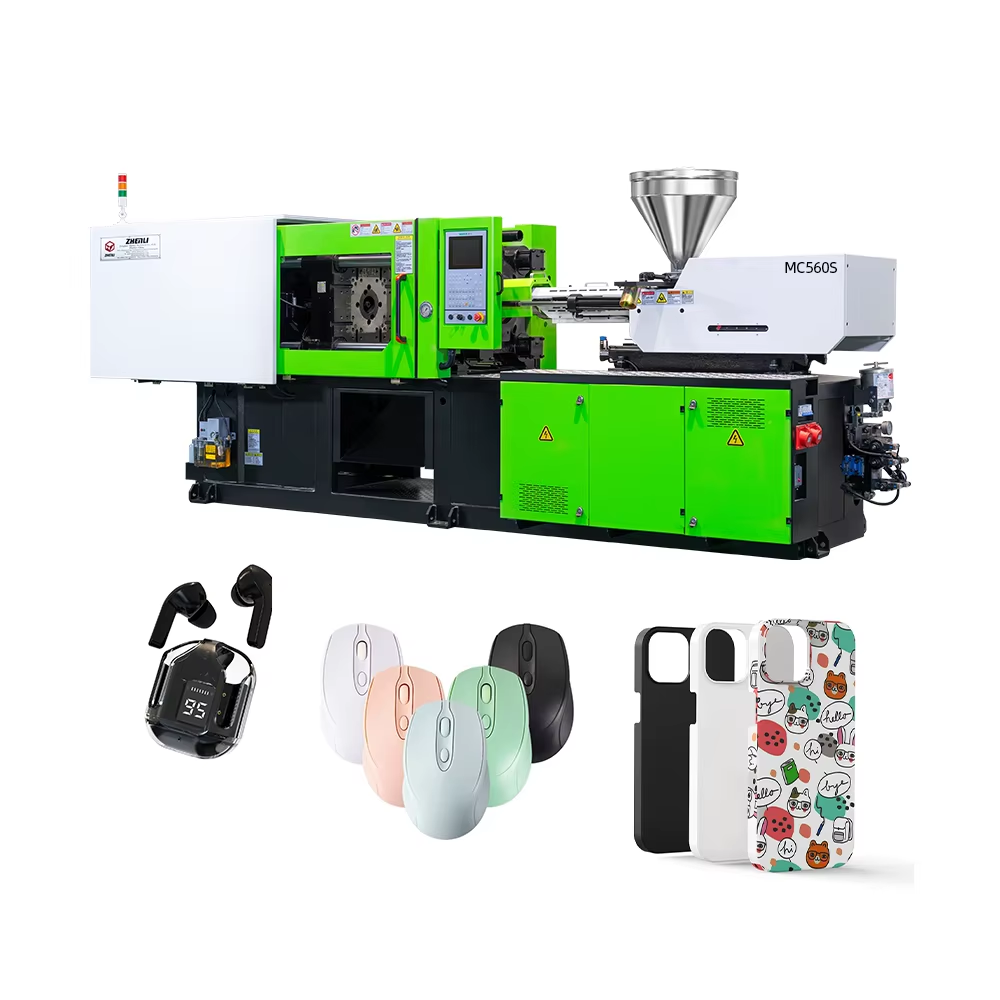
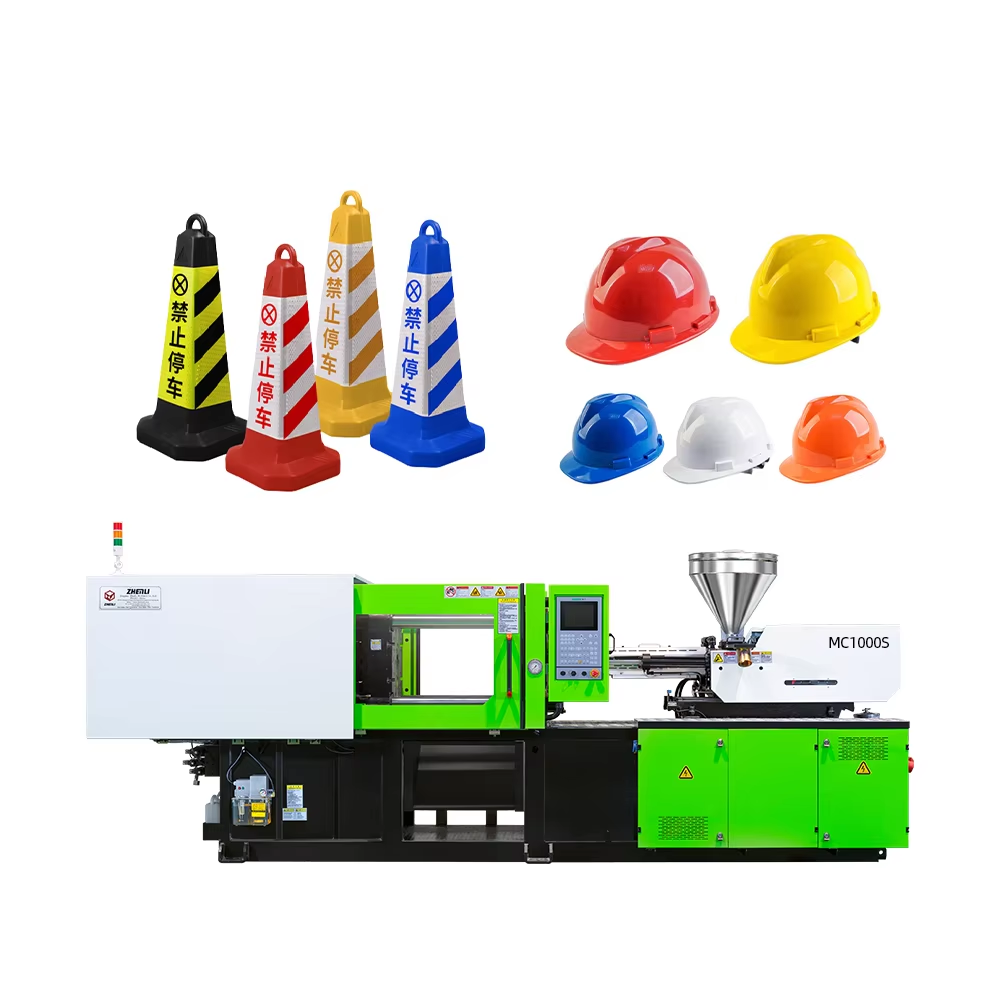
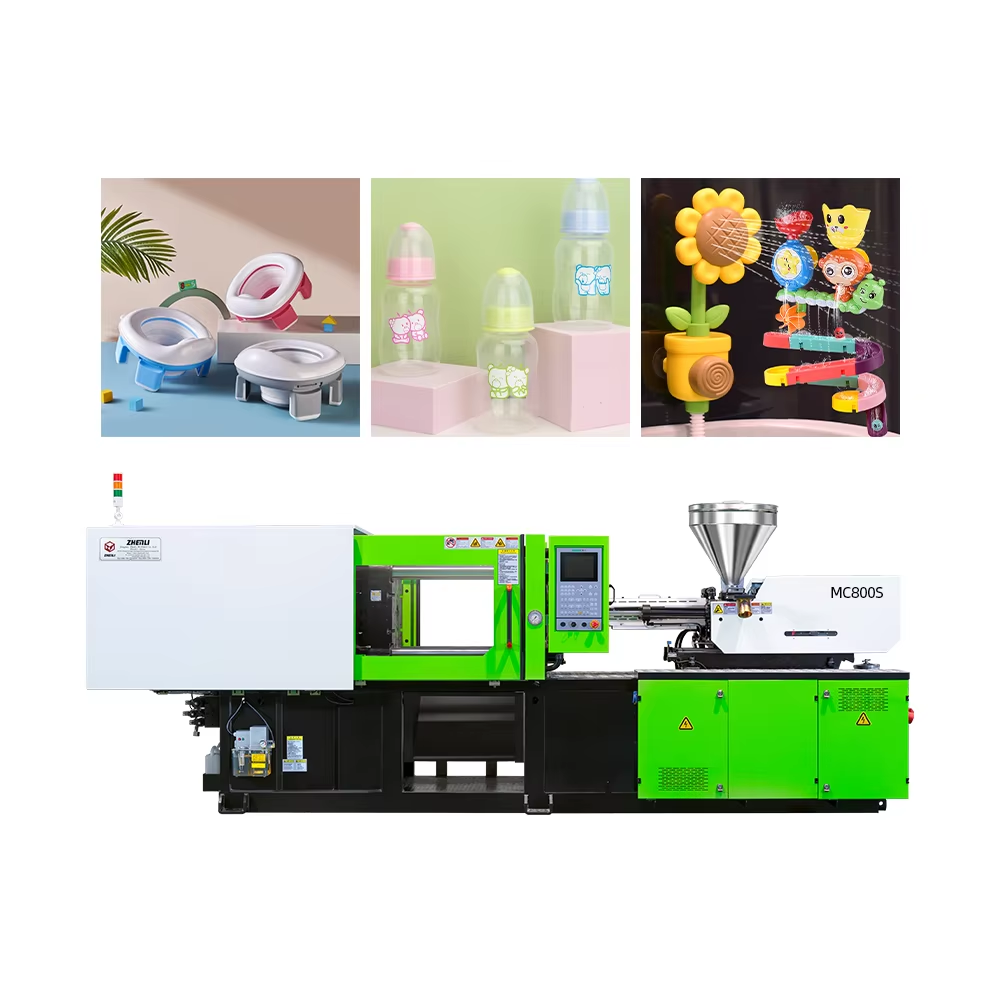
Jiangmen Zhenli Machinery Co., Ltd. specializes in PVC injection machines, complemented by a full range of molding equipment such as die casting machines, plastic injection molding machines, and industrial peripheral devices. The PVC injection machines adhere to EN IEC and CE standards, equipped with double-proportional hydraulic systems, stabilized pressure injection systems, and intelligent controllers (Siemens/ARCUCHI) for precise parameterization. Covering models like ZLMC series, these machines ensure efficient and stable PVC product production. With a global presence in 50+ countries, a 20,000 ㎡ production base, and one-stop services (technical consulting, design, manufacturing, testing, logistics, installation), Zhenli offers customization options, strict quality inspection, and timely after-sales support, making it a reliable partner for PVC molding needs worldwide.
Get A Quote
 EN
EN