 EN
EN



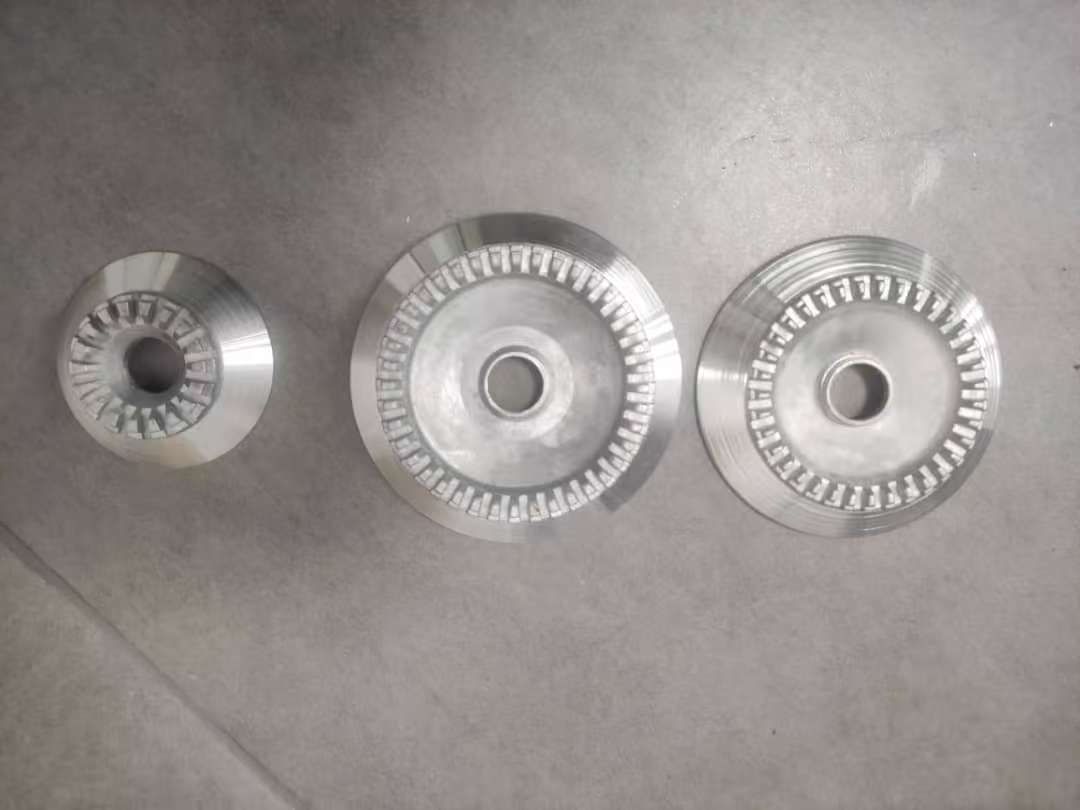
ផ្នែករបស់ភ្លើងឆេះមើលទៅសាមញ្ញ ប៉ុន្តែពិតជាមិនសាមញ្ញទេ
ភ្លើងឆេះដែលប្រើឧបករណ៍ចម្អិនអាហារដែលប្រើឧស្ម័នមើលទៅដូចជាផ្នែកមួយដែលធ្វើពីលោហៈ ដែលមិនសូវស្មុគស្មាញ។ វាមានរាងជាកាយវិការ មានគម្រប មានរន្ធដែលភ្លើងចេញ និងមានចំណុចដែលយើងយកមកដាក់ឱ្យជាប់។ ប៉ុន្តែអ្នកណាដែលបានធ្វើការចាក់ និងរំលុបផ្នែកទាំងនេះមកយូរហើយ នឹងដឹងថា ការពិតមានភាពស្មុគស្មាញជាងនេះ។ រាងរបស់វាត្រូវបានរចនាឱ្យមានភាពត្រឹមត្រូវខ្ពស់ ការអត់ទេសមានភាពតឹងរ៉ឹង ហើយផ្នែកនេះត្រូវបានផលិតឱ្យមានឥរិយាបថដូចគ្នាទាំងអស់ក្នុងដំណាំផលិត ព្រោះប្រសិនបើភ្លើងឆេះមានគម្របដែលផ្តល់ភ្លើងមិនដូចគ្នាក្នុងគ្រប់គ្រឿង នេះនឹងបណ្តាលឱ្យមានបញ្ហាក្នុងការប្រើប្រាស់ មិនមែនគ្រាន់តែបញ្ហាទាក់ទងនឹងរូបរាងទេ។
ផ្នែកទាំងនេះជាទូទៅត្រូវបានចាក់ដោយប្រើការចាក់ដែលមានសម្ពាធ ទេសចាក់ពីសម្ភារៈសារធាតុស័ង្កសី ឬពីអាលុយមីញ៉ូម អាស្រ័យលើកម្រិតគុណភាព និងកម្តៅដែលភ្លើងឆេះត្រូវបានរចនាឱ្យទ្រាំបាន។ បន្ទាប់មក ផ្នែកទាំងនេះត្រូវបានដំណាំទៅកាន់ដំណាំរំលុបបន្ថែម ដើម្បីបើករន្ធភ្លើង រំលុបផ្ទៃដែលប្រើសម្រាប់ដាក់គម្រប និងរក្សាចម្ងាយដែលកំណត់ការលាយគ្នារវាងឧស្ម័ន និងខ្យល់។ គម្របដែលមានជួរធ្មេញតូចៗជារង្វង់ ដូចគ្រឿងដែលបង្ហាញក្នុងរូបភាពភ្លើងឆេះធម្មតា មានមូលហេតុជាក់លាក់។ ធ្មេញទាំងនេះគ្រប់គ្រងការចេញនៃភ្លើង និងកំណត់រាងរបស់វា ហើយចម្ងាយរវាងធ្មេញនីមួយៗគឺជាលក្ខណៈរចនាដែលបានគិតគូរយ៉ាងប្រុងប្រយ័ត្ន មិនមែនជាការចៃដន្យទេ។
នេះធ្វើឱ្យបន្ទាត់ផលិតកម្មសម្រាប់គ្រឿងប៉ូមខុសពីការផលិតគ្រឿងចាក់ធម្មតា។ ការចាក់គ្រឿងគឺគ្រាន់តែជាការធ្វើរឿងមួយភាគកណ្តាលប៉ុណ្ណោះ។ ការរំលឹក និងការពិនិត្យចុងក្រាយមានទម្ងន់ស្មើគ្នាដែរ។
ការចាក់គ្រឿងប៉ូម និងគ្រឿងបិទ
ជំហានការចាក់គ្រឿងបង្កើតគ្រឹះ។ សម្រាប់គ្រឿងប៉ូម ការចាក់ដោយប្រើគ្រឿងចាក់ (die casting) គឺគួរឱ្យចាប់អារម្មណ៍ ព្រោះវាអាចផលិតរាងស្មុគស្មាញ ដែលអាចធ្វើម្តងទៀតបាន និងមានល្បឿនស្ថិតស្ថេរ ហើយផ្ទៃដែលបានចាក់ពីគ្រឿងចាក់ដែលថែរក្សាល្អ នឹងបន្ថយការពាក់ការប៉ះពាល់ដែលគ្រឿងនេះត្រូវការនៅពេលក្រោយ។
គ្រឿងប៉ូម និងគ្រឿងបិទត្រូវបានចាក់ជាផ្នែកដាច់ដោយឡែកគ្នា រួចបន្ទាប់មកបញ្ចូលគ្នានៅពេលប្រមូលផ្តុំ។ ការរចនាគ្រឿងចាក់មានសារៈសំខាន់ជាងអ្វីដែលអ្នកគិតដំបូង ព្រោះកម្រាស់ជញ្ជាំង ការរៀបចំប្រព័ន្ធប៉ះពាល់ និងការរៀបចំប្រព័ន្ធបញ្ជូនគ្រឿងរាវ ទាំងអស់នេះប៉ះពាល់ដល់របៀបដែលគ្រឿងចាក់បំពេញ និងរបៀបដែលវាកើតជាសាច់រឹងដោយស្មើគ្នា។ ការកើតជាសាច់រឹងមិនស្មើគ្នានឹងបង្ហាញជាប្រហោង ហើយប្រហោងនៅក្នុងគ្រឿងដែលនឹងប្រើសម្រាប់ដឹកជញ្ជូនឧស្ម័នគឺជាបញ្ហាសុវត្ថិភាព មិនមែនជាបញ្ហាគុណភាពតែប៉ុណ្ណោះទេ។
សម្រាប់រោងចក្រដែលដំណាំប្រើភ្លើងឆេះ ការជ្រើសរើសម៉ាស៊ីនប៉ះគឺផ្អែកលើទំហំផ្នែក និងទម្ងន់នៃការប៉ះ ហើយកម្លាំងប៉ះជាធម្មតាស្ថិតនៅក្នុងជួរមធ្យមទៅធំដែលអាចប្រើបាន។ ជុំវិញវា ឧបករណ៍ដុតរលាយ កែវដុត ម៉ាស៊ីនប៉ះ និងម៉ាស៊ីនទាញចេញ គឺជាឧបករណ៍ដែលធ្វើឱ្យកោសិកាអាចធ្វើម្តងទៀតបានដោយគ្មានការយកចិត្តទុកដាក់ជាបន្តបន្ទាប់ពីអ្នកប្រើប្រាស់។
ការកាត់ប៉ះគឺទទួលខុសត្រាច់លើការរក្សាបរិមាណតូចៗ
នេះគឺជាកន្លែងដែលភ្លើងឆេះចាកចេញពីប្រភេទ "ការចាក់សាកល្បងសាមញ្ញ"។ បន្ទាប់ពីការចាក់ គ្រាប់ចាក់ និងខ្លួនចាក់ត្រូវបានបញ្ជូនទៅកាន់ម៉ាស៊ីន CNC ដើម្បីបើក និងប៉ះគូសរាងរន្ធភ្លើងឆេះ ប៉ះគូសផ្ទៃដែលទទួលគ្រាប់ចាក់ និងប៉ះគូសរន្ធបញ្ជូនឧស្ម័ន។ ចម្ងាយរវាងរន្ធភ្លើងឆេះ ភាពរាបស្មើរនៃផ្ទៃទទួលរវាងគ្រាប់ចាក់ និងខ្លួនចាក់ និងបរិមាណរបស់រន្ធទាំងអស់នេះត្រូវតែរក្សាបាននៅក្នុងជួរតឹង ពីព្រោះវាជាទំហំទាំងនេះដែលកំណត់ពីរបៀបដែលភ្លើងឆេះរាយពីគ្នា និងការឆេះដែលស្មើគ្នារបស់ភ្លើងឆេះ។
បន្ទាត់ការងារដែលប្រើសម្រាប់ការកាត់ប៉ះផ្ទះភ្លើង ជាទូទៅត្រូវបានរចនាដោយផ្អែកលើភាពត្រឹមត្រូវនៃគ្រឿងប្រើប្រាស់ដែលចាប់ផ្ទះភ្លើង ព្រោះផ្ទះភ្លើងត្រូវបានចាប់យ៉ាងត្រឹមត្រូវដូចគ្នាក្នុងគ្រប់ដងដើម្បីធានាថា ការកាត់ប៉ះនឹងមានភាពស្មើគ្នា។ ធ្មេញដែលបានកាត់ប៉ះលើគ្រាប់គឺជាឧទាហរណ៍ច្បាស់បំផុត។ ធ្មេញទាំងនេះត្រូវបានដាក់នៅកម្រិតជម្រៅ និងចម្ងាយរវាងគ្នាដែលស្មើគ្នាដើម្បីធានាថា រង្វង់ភ្លើងនឹងមានភាពស្មើគ្នាជុំវិញផ្ទះភ្លើង។ ម៉ាស៊ីនដែលមានអ័ក្សស្ថិតស្ថេរ និងគ្រឿងចាប់មានភាពរឹងមាំ អាចរក្សាបាននូវចម្ងាយរវាងធ្មេញទាំងនេះ ខណៈដែលការរៀបចំដែលអនុញ្ញាតឱ្យផ្ទះភ្លើងផ្លាស់ទីទៅបន្តិចបន្តួច នឹងបង្ហាញជាភ្លើងដែលភ្លឺរំភាយ និងមិនស្មើគ្នាលើតុសាកល្បង។
ដោយសារការបញ្ចប់ផ្ទៃមានឥទ្ធិពលខ្លាំងលើសមត្ថភាពប្រតិបត្តិការ ផ្ទះភ្លើងគឺជាឧទាហរណ៍ល្អនៃផ្នែកមួយ ដែលម៉ាស៊ីនចាក់គ្រាប់ និងបន្ទាត់ CNC ត្រូវបានរចនាឲ្យសមស្របគ្នា ហើយអ្នកផ្គត់ផ្គង់ដែលយល់ដឹងអំពីដំណាំទាំងពីរនេះ អាចជួយរោងចក្រឱ្យចំណាយពេល និងខិតខំប្រឹងប្រែងតិចតួចក្នុងការសាកល្បង និងកែលម្អ។
ភាពមិនរាប់ចូលគ្នានៃឧស្ម័ន និងការបង្កើតភ្លើងគឺជាកន្លែងដែលបញ្ហាបាក់បែកបង្ហាញច្បាស់
ផ្នែកដែលសំខាន់បំផុតនៅលើគ្រឿងចំហាយគឺជាផ្នែកដែលពិបាកមើលឃើញបំផុត។ ឧបករណ៍ដែលប្រើឧស្ម័នត្រូវបានគ្រប់គ្រងដោយស្តង់ដារសុវត្ថិភាព រួមទាំងស្តង់ដារសម្រាប់ឧបករណ៍ចំហាយផ្ទះ ដែលកំណត់តម្រូវការសម្រាប់ភាពជាប់គ្នានៃឧស្ម័ន ស្ថេរភាពឆេះ និងការបង្កើតភ្លើង។ ការបំពេញតាមតម្រូវការទាំងនេះមិនមែនជាជម្រើសទេ ហើយវាជាមូលហេតុដែលតុសាកល្បងត្រូវបានដាក់បញ្ចូលក្នុងខ្សែផលិតកម្ម ជាជាងជាការងារដាច់ដោយឡែកមួយ។
ការសាកល្បងរកការរហ័សគឺជាដំណាំដំបូង។ គ្រឿងចំហាយរាល់គ្រឿងត្រូវបានពិនិត្យភាពជាប់គ្នានៃឧស្ម័នមុនពេលប្រមូលផ្តុំ ព្រោះការរហ័សនៅលើគ្រឿងចំហាយដែលស្ថិតនៅក្នុងបាយផ្ទះ គឺជាប្រភេទខុសគ្នានៃគ្រោះថ្នាក់ ធៀបនឹងការរហ័សនៅលើគ្រាប់។ ការបង្កើតភ្លើងត្រូវបានធ្វើបន្ទាប់ ដើម្បីពិនិត្យថា គ្រឿងចំហាយអាចបង្កើតភ្លើងបានដោយអាចទុកចិត្តបាន និងភ្លើងនៅស្ថិរភាពនៅតាមជួរប្រតិបត្តិការទាំងមូល ដោយគ្មានការលើកឡើង ឬការឆេះត្រឡប់ចូលក្នុងគ្រឿង។
ការរៀបចំការត្រួតពិនិត្យគុណភាពដែលមានសមហេតុផល ធ្វើការត្រួតពិនិត្យទាំងនេះដោយផ្ទាល់ក្នុងដំណាំ ជាជាងធ្វើជាការត្រួតពិនិត្យចុងក្រាយ ដែលរកឃើញបញ្ហាបន្ទាប់ពីវាបានបណ្តាលឱ្យខាតបង់សម្ភារៈ និងពេលវេលារួចមកហើយ។ នៅពេលដំណាំផ្លាស់ប្តូរការត្រួតពិនិត្យភ្លើងទៅកាន់ដំណាក់កាលមុន អត្រាប៉ះពាល់ថយចុះ ហើយការធ្វើឡើងវិញត្រូវបានរកឃើញនៅពេលដែលផ្នែកនៅតែអាចជួសជុលបានដោយថ្លៃទាប។ ច្រកត្រួតពិនិត្យទាំងនេះត្រូវបានរៀបចំតាមលំដាប់ធម្មជាតិ។
ច្រកត្រួតពិនិត្យគុណភាព |
អ្វីដែលវាបញ្ជាក់ |
ទីកន្លែងដែលវាដំណាំ |
ការសាកល្បងរាវហូរចេញ |
ភាពជាប់គ្នារបស់ខ្លួន និងគ្រាប់បិទ |
ដំណាំដោយផ្ទាល់ មុនពេលប្រមូលផ្តុំ |
ចម្ងាយរវាងច្រកភ្លើង |
គម្រោងភ្លើងដែលស្មើគ្នាជុំវិញវង់ |
ការត្រួតពិនិត្យដំណាំដែលមកពីក្រៅ |
ភាពរាបស្មើនៃការដាក់អង្គុយ |
គុណភាពនៃសេចក្តីបញ្ជាក់រវាងគ្រាប់ និងខ្លួន |
បន្ទាប់ពីការកាត់ផ្តេក |
ការបង្កើតភ្លើង និងស្ថេរភាព |
ពន្លឺដែលអាចទុកចិត្តបាន គ្មានការលើកឡើង ឬការឆេះត្រឡប់ |
តុសាកល្បង និងលើខ្សែផលិតកម្ម |
ការធ្វើតេស្តជាក់ស្តង់លើគុណភាពគ្រាប់ឆេះ
មានរោងចក្រឧបករណ៍ចម្អិនអាហារនៅតំបន់នេះ ដែលផលិតខ្លួនគ្រាប់ឆេះដោយខ្លួនឯង ប៉ុន្តែផ្ញើគ្រាប់ទៅកាត់ប្រក្រតី។ គ្រាប់ទាំងនេះត្រឡប់មកវិញជាមួយចម្ងាយរវាងរន្ធភ្លើងមិនស្មើគ្នា ហើយបុគ្គលិកផលិតកម្មចំណាយពេលច្រើនក្នុងការរៀបចំគ្រាប់ណាដែលឆេះស្មើគ្នា និងគ្រាប់ណាដែលមិនឆេះស្មើគ្នា។ ដំណោះស្រាយមិនមែនជាឧបករណ៍ផ្សេង ឬម៉ាស៊ីនធ្វើការធំជាងនេះទេ ប៉ុន្តែគឺការយកការកាត់ប្រក្រតីមកធ្វើនៅក្នុងរោងចក្រ ហើយកំណត់ឧបករណ៍ឱ្យសមស្របជាមួយការចាក់ដើម្បីឱ្យការកាត់មានភាពស្មើគ្នា។
ខែដំបូងៗត្រូវបានប្រើប្រាស់ដើម្បីកំណត់ស្ថានភាពនៃគ្រឿងបរិក្ខារ និងឧបករណ៍ ហើយអត្រាប៉ះទង្គិចបានថយចុះជាបណ្តះបណ្តាល ជាជាងថយចុះទាំងមូលក្នុងពេលតែមួយ។ នៅពេលដែលខ្សែផលិតកម្មបានដំណាំបានចំនួនបានចំនួនបាត់បង់មួយចំនួន ភ្លើងឆេះដែលចេញពីខ្សែផលិតកម្មបានរក្សាបាននូវគម្លាត់ភ្លើងរបស់វាពីឯកតាមួយទៅឯកតាមួយទៀត ហើយតុសាកល្បងបានផ្លាស់ប្តូរពីការក្លាយជាកន្លែងសាកល្បងដើម្បីជ្រើសរើស ទៅជាជំហានបញ្ជាក់។ សារសំខាន់គឺថា គុណភាពនៃភ្លើងឆេះត្រូវបានកំណត់តាមរយៈការចាក់ ការរំលឹក និងការត្រួតពិនិត្យ ហើយជំហានកណ្តាលដែលគ្មានការគ្រប់គ្រងល្អ នឹងធ្វើឱ្យការចាក់ល្អប៉ុន្មានក៏បាត់បង់ទាំងស្រុង។
ខ្សែផលិតកម្ម មិនមែនគ្រាន់តែម៉ាស៊ីនមួយ
ការបង្កើតកោសិកាប៉ារ៉ាស៊ីតមួយ គឺមានន័យថា ជ្រើសរើសម៉ាស៊ីនប៉ះ ផាសុំ ឧបករណ៍ដែលប្រើសម្រាប់ដឹកជញ្ជូន និងជំហានកាត់ផ្តាច់ និងធ្វើតេស្ត ដើម្បីឱ្យពួកវាដំណើរការជាប់គ្នាដូចជាឧបករណ៍មួយ។ នេះគឺជាទីកន្លែងដែលការទិញពីប្រភពតែមួយផ្តល់ប្រយោជន៍។ សម្រាប់ការផលិតកោសិកាប៉ារ៉ាស៊ីត Zhenli ផ្តល់ជូននូវម៉ាស៊ីនចាក់គំរូ ផាសុំសម្រាប់រលាយ និងផាសុំសម្រាប់រក្សាទុក និងឧបករណ៍បន្ថែម ដូចជា ម៉ាស៊ីនដឹកទឹករលាយដោយស្វ័យប្រវ័ត្តិ ម៉ាស៊ីនប៉ះដោយសេវ៉ូ និងម៉ាស៊ីនទាញចេញ ជាប្រក្រតីមួយដែលអាចភ្ជាប់ទៅនឹងជំហានកាត់ផ្តាច់ និងធ្វើតេស្តរកកន្លែងរហ័ស ដែលរោងចក្របានដំណើរការរួចហើយ ឬក៏កំពុងបន្ថែម។ ក្រុមហ៊ុនមួយដែលគ្រប់គ្រងទាំងដំណាំ និងការដឹកជញ្ជូនជុំវិញ អាចត្រូវបានអញ្ជើញចូលរួមពីដំបូង មុនពេលការរៀបចំផែនការប្រើប្រាស់ផ្ទៃដីត្រូវបានបញ្ចប់ ដែលមានតម្លៃថោកជាងការដំឡើងប្រព័ន្ធស្វ័យប្រវ័ត្តិបន្ទាប់ពីបានបង្កើតខ្សែផលិតកម្មរួចហើយ ដែលមិនបានរៀបចំសម្រាប់វា។ ការផ្តល់ជូនបែបនេះ ដែលគាំទ្រដោយក្រុមហ៊ុនដែលមានបទពិសោធន៍លើសពី២០ឆ្នាំក្នុងវិស័យម៉ាស៊ីនចាក់គំរូ និងមានកេរ្តិ៍ឈ្មោះនៅក្នុងប្រទេសជាច្រើន ផ្តល់ឱ្យអ្នកផលិតកោសិកាប៉ារ៉ាស៊ីតនូវអវកាសដើម្បីផ្តោតលើគុណភាពផ្នែក ដែលជាកត្តាដែលពិតប្រាកដធ្វើឱ្យផលិតផលលក់បាន។