 EN
EN



Почни са биљком, а не са штампом
Постављање линије за лијечење Замаком има начин да искуси људе да прво изабере машину. То је уназад, и то је прилично скупа грешка коју се касније открије. Преса је само један елемент ланца који укључује топљење, испоруку метала, штампу и руковођење око машине, и простор и утилитете који све држају заједно.
Замак, скраћеница за породицу цинк-алуминијум-мед која је покривена АСТМ Б86, је опроштавајућа за рад, што је један од разлога због којих се од њега изливају толико лаких делова. Али сама линија мора бити постављена са истом дисциплином као и свака друга. Пре него што се наручи један штампач, вредно је утврдити план пода, електрични погон и вентилацију, јер су то најтеже ствари које треба променити након што се опрема достави.
Већина уштеда у новој линији се појављује у фази планирања, а не у фази куповине. Ако мало размислимо о томе како се метал креће од пећи до штампе и како се завршени део уклања са пута, то ће нам дати много више од штедње машине.
Пећ и обрада метала су на првом месту
Замак се топи на нижој температури од алуминијума, тако да пећ не мора бити егзотична, али мора бити размерена за проток и одговарајући ономе што је доступно на локацији. Електрична пећ је једноставна за рад и стабилна, док пећ на природни гас може бити добар утакмица где је гориво за грејање већ на месту или је јефтиније. Утврђивачка пећ мора држати метал на сталној температури и хранити машину без много температурних промена, јер је температура легуре највећи утицај на квалитет ливања.
Око пећи се налази материјал који се често заборавља, ауто-коша. Копљач који се баца у купалицу и подиже конзистентан удар сваки циклус омогућава оператору да покреће штампу без да тамо стоји и координише заливање. Серво-привођене ложке задржавају своју позицију понављајући се, и та понављаност је оно што се преводи у стабилну тежину удара и мање одбацивања.
Кошари, прскачи и екстрактори нису додатни уређаји. Они претварају једну машину у функционишућу ћелију, а одлука о њима рано штеди много каснијег опремања.
Избор штампе у распону средње тонаже
За цинк и Замак, слатка тачка за већину малих и средњих делова налази се у линији топле коморе. Машина са топлом камером држи крај убризгавања у топлу, што даје кратке циклуса и константан притисак, а то је управо оно што желе делови од цинка са танким зидовима. За типичну серију брава, фитинга, купатила или ливења са финим детаљима, величина штампе тежи у средњем распону тонаже.
ЗЛ-130Т са електричном пећом и ЗЛ-180Т са пећом на природни гас покривају много места. Разлика између њих је углавном у величини делова, величини штампања и количине снаге за заплене која је потребна алату, а не у било којој фундаменталној промени процеса. Избор између њих мање зависи од машине, већ од највеће коцке која ће бити на плочи и најтежег удара који ће бити изливен.
Појачање веће количине него што је потребно је уобичајено, и то кошта на два начина. То повећава почетни трошак и отежава ефикасан рад линије на мањем оптерећењу јер машина ради далеко испод намењеног распона. Успоредити штампу са породицом производа, а не са највећом могућом делом коју неко једног дана може направити, паметнији је пут.
Улагања и алати су оно на шта се користи буџет
Машина је видљив трошак, али обично су штампе веће када је комплетни скуп алата на месту. Сваком производу је потребан свој алат, а продавници која планира да води породицу делова потребно је неколико. Уласти такође носе дизајн хлађења, капију и распоред избацања, који сви обликују како се део попуњава и колико брзо циклови трче.
Валидација је део који нове линије потцењују. Свеже резан коцкац ретко се појављује одмах на првом удару. Очекујте неколико рунда пробних снимка да бисте набрали величину капи, хлађење и вентилацију, и очекујте да ће ти проби потрошити време и материјал машине пре него што део прође инспекцију. Уграђивање тога у распоред није песимизам, то је нормалан курс добијања алата квалификованих.
Такође је вредно рано одлучити да ли ће алати бити направљени у кући или из досада, јер добављач који може подржати штампу, штампу и пуштање у рад заједно узима велики део координационог оптерећења са фабрике.
Реалистичан први месец пуштања у рад
Замислите фабрику у области Гуандунг која је инсталирала линију Замак за производњу ливљиве опреме. Први месец није био о постизању циља за производњу. То је било због тога што је цела ћелија поступала доследно. Током прве недеље, тим је радио на стабилности температуре пећи и налагодио време на кошици тако да тежина удара престане да се креће. До друге недеље, први добри делови су се одвајали, али стопа одбацивања је и даље била виша од прихватљиве, а већина проблема се водила до температуре, а не до штампе.
Током наредних недеља, монтаж је углавном посвећен комбинацији завршног обраде и прилагођавања хлађења. До краја првог месеца, линија се успоставила у стабилан ритам где је један оператор могао да управља ћелијом и делови су били у складу са толеранцијом. Урок је одржан. Медији су били добро од самог почетка. Све око њега, метал, шпагу и време су били главни фактори.
Где се налазе скривене трошкове
Буџет линије се гради око машине, а линијска ствар која се пропушта је трошак који је окружује. Помага да се категорије наведу унапред.
Категорија трошкова |
Шта она заправо обухвата |
Где се појављује |
Прес и пећ |
Механичка језгрова и извор топљења |
Највећа појединачна куповина |
Периферијална опрема |
Авто-копца, серво-прскач, екстрактор |
Додаје значајну количину |
Марице и алати |
Један алат по производу, плус резервни делови |
Често се надмашује са штампом током времена |
Упорука |
Пробне снимке, завршница, подешавање |
Полази на временом и материјалом машине |
Употреба и вентилација |
Енергија, гас, екстракција, распоред пода |
Тешко и скупо је касније променити. |
Обука оператера |
Уређивање, решавање проблема, промјена |
Стабилни, текући трошкови |
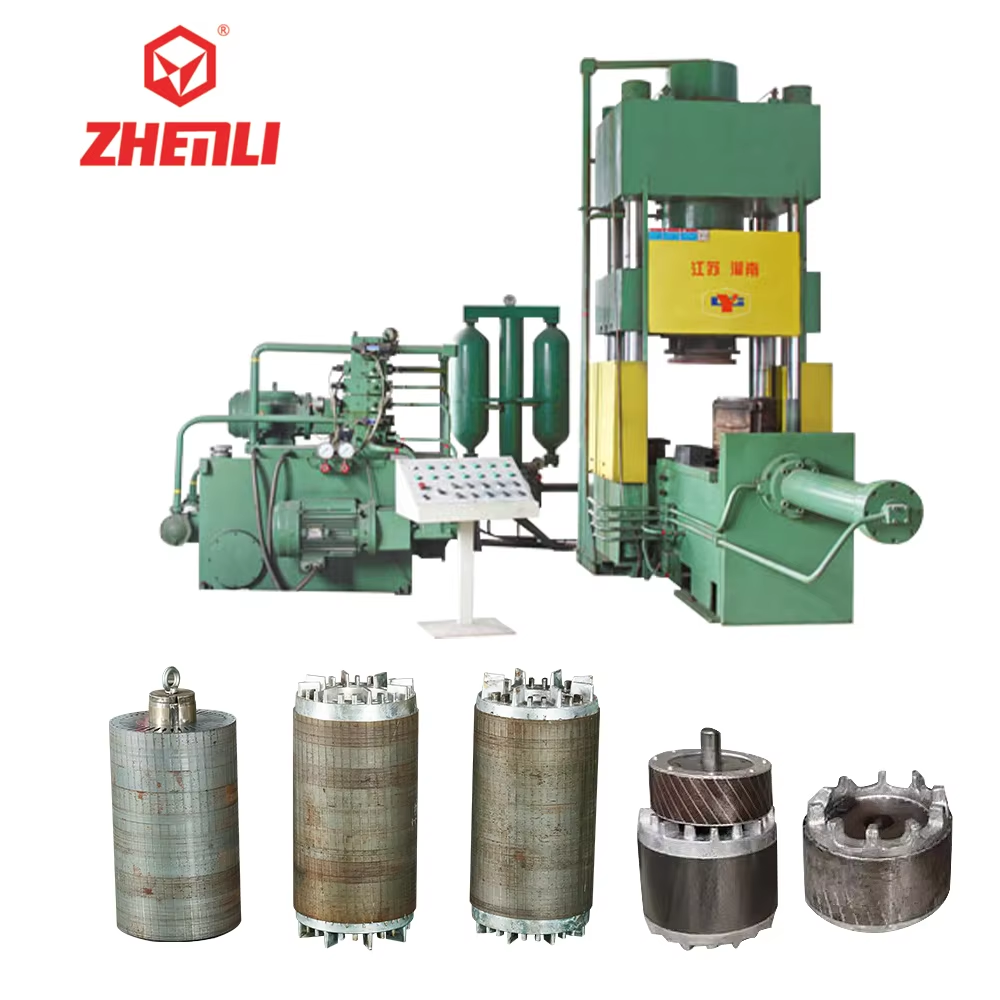
Замак је пријатан материјал за рад, а добро постављена линија дуго се не помера. Последњи корак је подршка иза опреме. За цинк линију, Женли снабдева пресе за топлу камеру, пећи и периферну опрему за ручење као одговарајући пакет, тако да су лож, прскач и екстрактор дизајнирани да раде са пресом уместо да се састављају из различитих извора. Таква координисана конфигурација, коју подржава произвођач са више од две деценије рада у овој области и фабрика која испоручује у десетине земаља, уклања много претпоставки са прве линије, и то је управо део који је најтежи за куповину од самог листа за спецификације.