Gravity Die Casting Machine Price: Low-Cost Solution for Foundries

[email protected]         +86-13302590675

Get a Free Quote

Our representative will contact you soon.
Email
Mobile/WhatsApp
Name
Company Name
Message
0/1000

Zhenli Products Page: Injection Molding/Aluminum Die Casting Machines

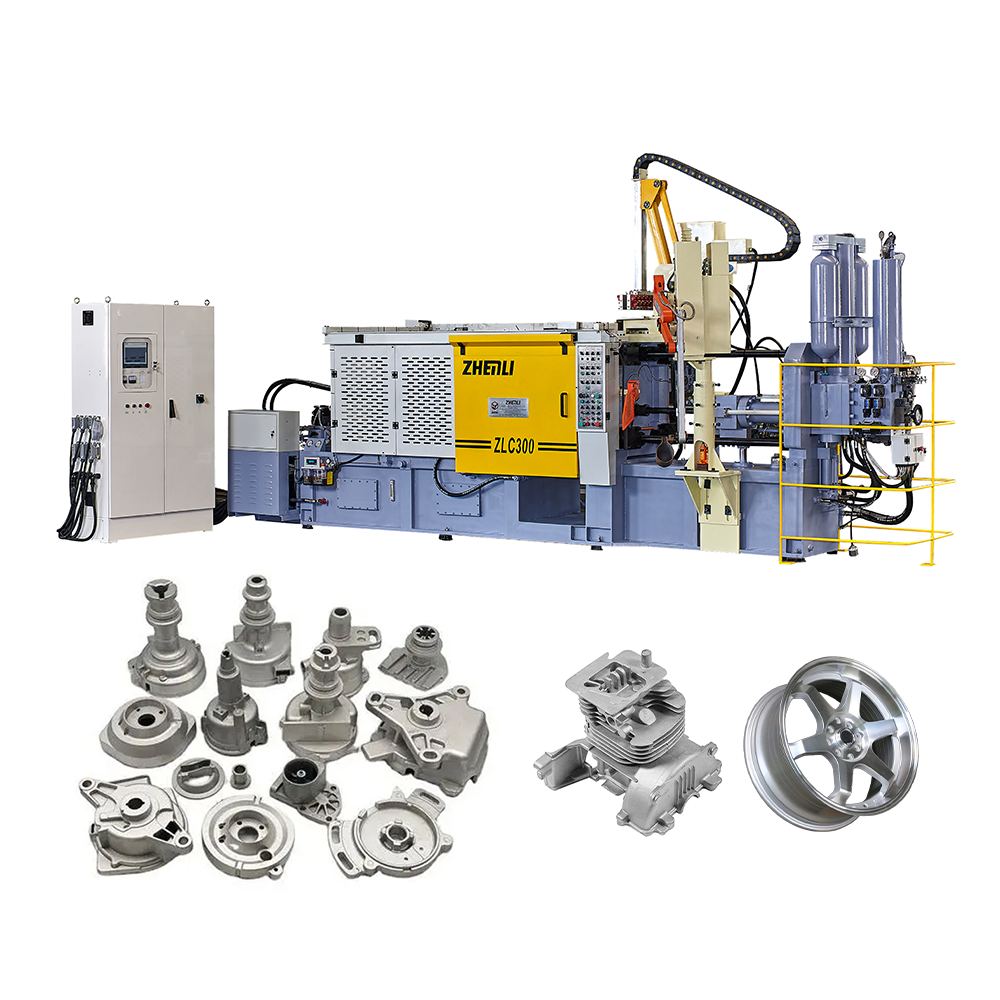
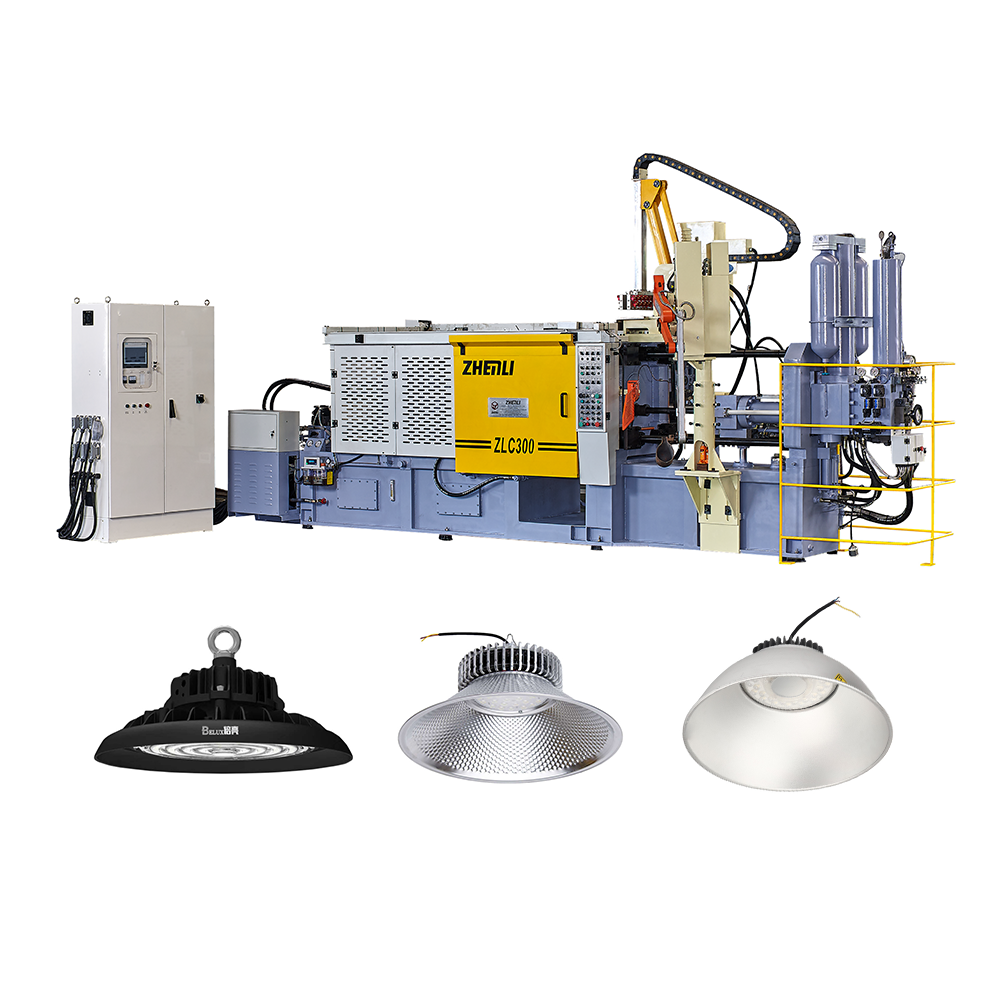
This page showcases Zhenli’s products, mainly consisting of plastic injection molding machines and aluminum die casting machines. The plastic injection molding machines have models like MC1000S (1000 Ton, traffic cones), MC800S (800 Ton, baby products), MC120S (120 Ton, LED bulbs), etc., for earphones, PET preforms, sunglasses, USB cables, and EVA/PVC shoe soles. The aluminum die casting machines are for car auto parts (engine blocks, wheel weights) with manual/automatic/low pressure types. Note that gravity casting machine is not specifically displayed on this page.
Get A Quote

Advantages of the product

High Casting Density and Mechanical Strength

The slow and stable filling process of gravity casting reduces air entrapment in molten metal, resulting in castings with a density of 98% 99% (compared to 95% 96% for die casting). This high density improves the mechanical strength of castings—aluminum alloy parts produced by gravity casting have a tensile strength of 280 320 MPa, 15% 20% higher than die cast parts. For load bearing parts like construction machinery arms, this strength ensures long term durability under heavy stress, reducing the risk of breakage during use. The machines also use a slow cooling system (controllable cooling rate of 5 10℃/min), which refines the metal grain structure and further enhances mechanical properties.

Related products

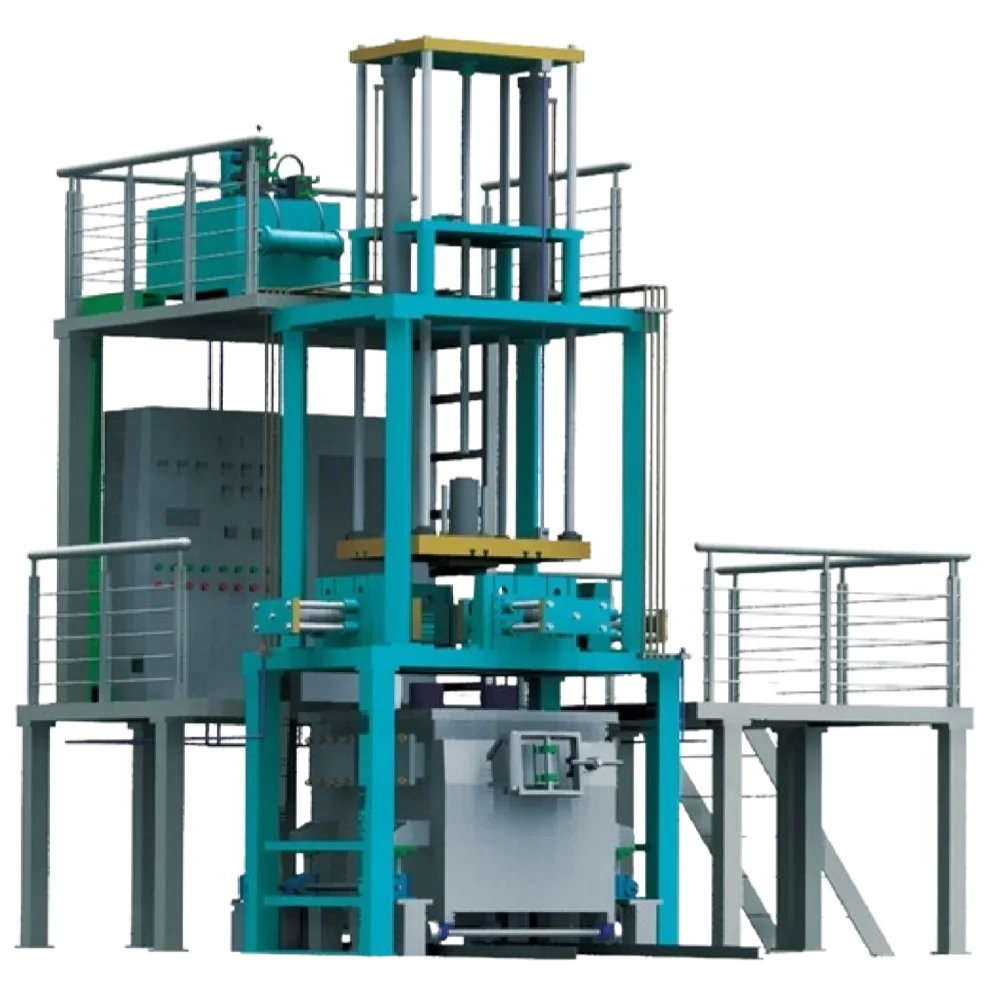
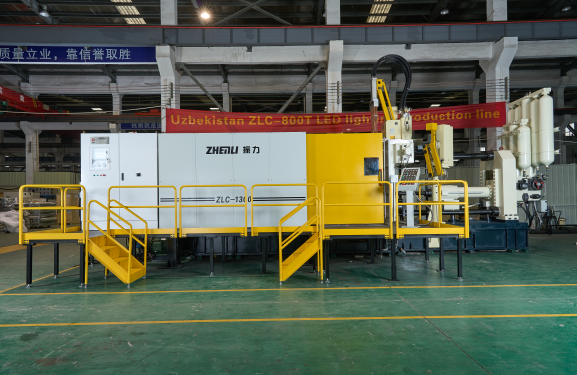
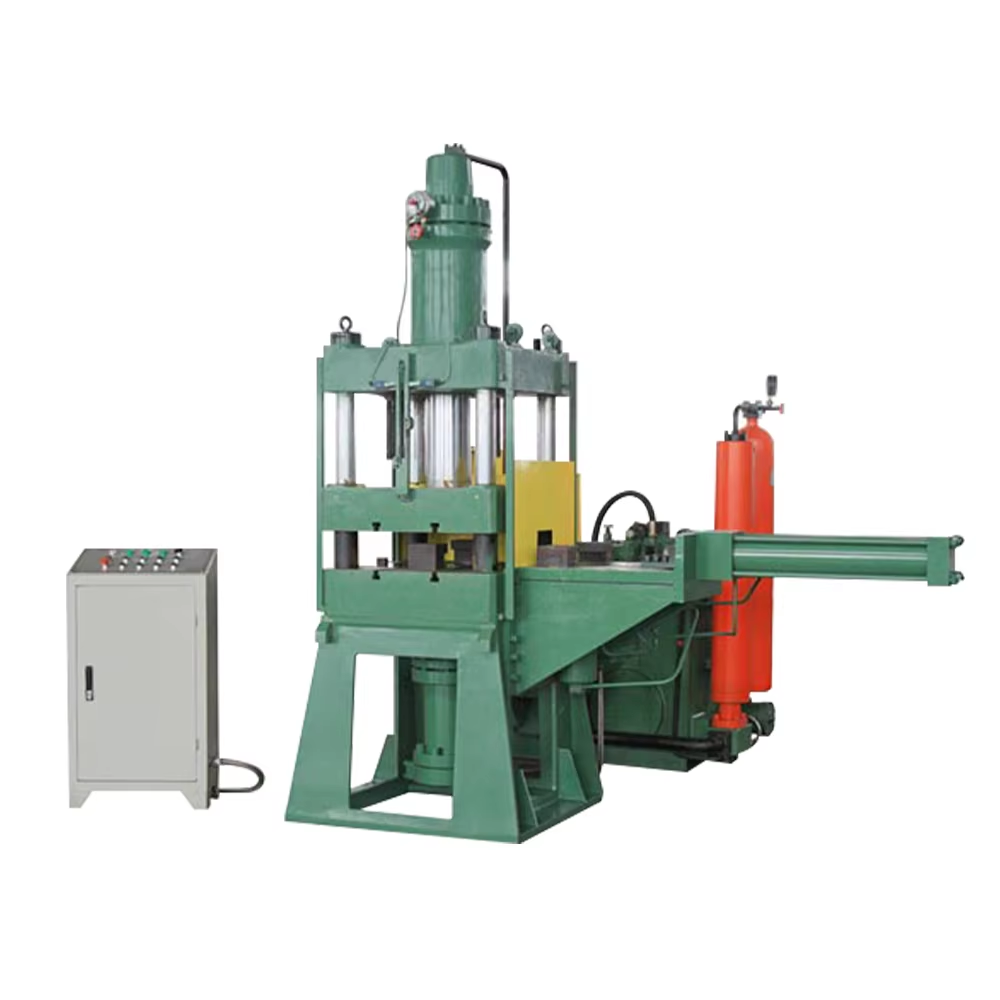
Gravity casting machines utilize the natural flow of molten metal under gravity to fill molds, a process ideal for producing large, thick walled, and high integrity components—and Zhenli’s gravity casting machines are optimized for performance, cost effectiveness, and ease of use, catering to industries like automotive, construction, and industrial machinery that require heavy duty metal parts. A defining advantage of Zhenli’s gravity casting machines is their ability to handle large and thick walled castings, with a maximum casting weight of 500kg and wall thickness up to 50mm—capabilities beyond those of die casting machines (which excel at small, thin walled parts). This makes them suitable for components like aluminum alloy truck brackets (weight 30kg, wall thickness 15mm), copper alloy industrial valves (20kg, 20mm thickness), and iron alloy machine bases (100kg, 30mm thickness). The gravity driven filling process ensures molten metal flows slowly and evenly into mold cavities, reducing turbulence and air entrapment—critical for thick walled parts where bubbles or shrinkage holes would compromise structural integrity. For example, when casting a copper alloy valve body (used in water treatment systems), the slow filling (flow rate 5 10 kg/min) eliminates internal defects, resulting in a casting density of 98% 99%—higher than the 95% 96% of die cast parts. This high density translates to superior mechanical strength: aluminum gravity castings have a tensile strength of 280 320 MPa, 15% 20% higher than die cast aluminum, making them suitable for load bearing applications like construction machinery arms. Low equipment cost and simple installation are key benefits for cost sensitive businesses, especially SMEs and emerging markets. Gravity casting machines have a simpler structure than die casting machines (no high pressure injection system or complex hydraulic units), so their initial cost is 30% 40% lower. A 200kg capacity Zhenli gravity casting machine costs \(25,000 \)35,000, compared to \(45,000 \)60,000 for a die casting machine of similar capacity. Installation is straightforward: the machine requires only a level concrete foundation (15㎡) and a molten metal furnace (sold separately or as a package), with on site setup completed in 1 2 days—no specialized infrastructure (e.g., high pressure hydraulic lines) is needed. This low entry barrier allows small foundries to enter the metal casting industry without large capital outlays, supporting local manufacturing in regions with limited industrial infrastructure. High casting quality is ensured through precise process control and mold design. Zhenli’s machines feature adjustable mold tilting angles (0 90°) that control the flow rate of molten metal, allowing operators to optimize filling for different part geometries. For irregularly shaped parts like curved aluminum brackets, tilting the mold at 45° ensures molten metal reaches all corners of the cavity, avoiding cold shut or incomplete filling. The molds are made of heat resistant cast iron or steel, with preheated cavities (200 300℃ for aluminum, 500 600℃ for copper) that prevent rapid cooling of molten metal—further reducing defects. A temperature monitoring system (infrared sensors) tracks mold and metal temperatures in real time, with alerts for deviations beyond ±5℃—ensuring consistency across production batches. For example, a factory producing aluminum engine cylinder heads (used in small generators) achieves a pass rate of 93% 95% with Zhenli’s machines, compared to 85% 88% with manual gravity casting. Ease of operation is optimized to accommodate operators with varying skill levels, a critical factor for global markets with diverse labor pools. The machines use a simple control panel with analog dials and digital displays for key parameters (mold temperature, tilting speed), avoiding complex programming. Basic operation (loading metal, adjusting tilt, unloading parts) can be mastered in 1 2 weeks, compared to 1 month for die casting machines. Optional automatic ladles (capacity 50 200kg) can be added to reduce manual labor, controlling the amount of molten metal poured into the mold with ±2% accuracy—minimizing material waste. Safety features include heat resistant guardrails, emergency stop buttons, and smoke extraction systems, complying with global safety standards (e.g., OSHA, CE). Application wise, Zhenli’s gravity casting machines serve essential industries: in automotive, they produce heavy duty components like truck axle housings (iron alloy) and transmission casings (aluminum alloy); in construction, they manufacture pipe fittings (copper alloy) and crane hooks (steel); in industrial machinery, they create pump housings (cast iron) and gearboxes (aluminum alloy). The machines are compatible with multiple metals, including aluminum, copper, iron, and magnesium alloys, further enhancing their versatility. Zhenli provides comprehensive support, including mold design assistance (to optimize part geometry for gravity casting) and on site training, ensuring customers maximize machine performance. With a service life of 10 12 years and low maintenance costs (annual maintenance <$2,000), Zhenli’s gravity casting machines deliver reliable, long term value for businesses focused on heavy duty metal component production.

Frequently Asked Questions

Do any gravity casting machines with specific functions appear here?

No, no gravity casting machines (with any functions) are present. The webpage details injection molding machines (for plastics) and die casting machines (for aluminum) with functions like automatic operation or low pressure. Gravity casting machines and their functions are not referenced.

Related Articles

What Are the Key Advantages of Modern Aluminum Die Casting Machines?

27

Oct

What Are the Key Advantages of Modern Aluminum Die Casting Machines?

Precision and Dimensional Accuracy in Aluminum Die Casting Machine Operations Modern aluminum die casting machines deliver ±0.25mm dimensional tolerances, enabling sub-millimeter precision essential for aerospace components and medical devic...
View More
Why Consider a Supplier with Both R&D and Production Capabilities?

27

Oct

Why Consider a Supplier with Both R&D and Production Capabilities?

Faster Innovation and Shorter Time to Market Integration of R&D and production systems for faster innovation cycles Integrated R&D and production systems eliminate costly handoffs between teams, creating a closed-loop feedback process. Engineers ga...
View More
What Should You Look for in an Injection Molding Machine Supplier?

27

Oct

What Should You Look for in an Injection Molding Machine Supplier?

Evaluate Machine Specifications Aligned with Your Product Design Picking the right injection molding machine for a specific product design means looking at three main specs: clamping force measured in tons, injection volume in ounces or cubic centi...
View More
How to Ensure Quality Consistency in Zinc Die Casting Operations?

27

Oct

How to Ensure Quality Consistency in Zinc Die Casting Operations?

Material Selection and Alloy Integrity for Reliable Zinc Die Casting Importance of Alloy Type in Zinc Die Casting Properties Choosing the right zinc alloy makes all the difference when it comes to how well something performs mechanically and how ma...
View More

customer evaluation

Caleb

We use this gravity casting machine for aluminum valve bodies. The gravity casting method ensures the metal fills the mold completely, so valves have no internal pores—critical for leak proof performance. The finished valve bodies have high density, passing our pressure tests easily. It’s easy to operate, and new workers learn it in a week.

Get a Free Quote

Our representative will contact you soon.
Email
Mobile/WhatsApp
Name
Company Name
Message
0/1000
Uniform Metal Density for High Strength Parts

Uniform Metal Density for High Strength Parts

Gravity casting relies on natural metal flow (no high pressure), and this machine leverages this to produce parts with uniform density—critical for components like aluminum valves, iron pipe fittings, and copper brackets that need high strength. Molten metal flows slowly and evenly into the mold under gravity, eliminating turbulence that causes air bubbles or porosity. The machine’s mold design (with optimized gating and riser systems) further ensures even filling and solidification. Parts produced have a density of 2.7g/cm³ (for aluminum) with minimal voids, passing pressure tests (up to 10MPa for valves) and load tests (withstanding 500kg for brackets) easily. This makes it suitable for industries like plumbing, automotive, and machinery, where part strength is non negotiable.
Low Equipment Cost for Small Medium Foundries

Low Equipment Cost for Small Medium Foundries

Compared to high pressure die casting machines, this gravity casting machine has a 50–60% lower initial purchase cost, making it accessible for small to medium foundries or startups. It does not require complex hydraulic systems or high pressure pumps, reducing both upfront and maintenance costs. The machine’s simple design (consisting of a melting furnace, mold holder, and cooling system) also means lower installation costs—no specialized infrastructure (e.g., high voltage power or reinforced floors) is needed. For foundries producing small batches of metal parts (e.g., custom iron components, aluminum decorative parts), this low cost allows them to enter the market without excessive investment.
Wide Compatibility with Ferrous and Non Ferrous Metals

Wide Compatibility with Ferrous and Non Ferrous Metals

This gravity casting machine works with a broad range of metals, including non ferrous metals (aluminum, aluminum alloy, copper, zinc) and ferrous metals (cast iron, mild steel). It adjusts to different metal melting points: for aluminum (660℃), it uses a gas fired melting furnace; for cast iron (1,538℃), it switches to an electric induction furnace. The machine’s mold materials also adapt—sand molds for iron (resistant to high temperatures) and metal molds for aluminum (for smooth surface finish). This versatility allows foundries to serve diverse clients, from those needing aluminum automotive parts to those requiring iron industrial components, without buying multiple machines.
WhatsApp WhatsApp
WhatsApp
Email Email Inquiry Inquiry TopTop