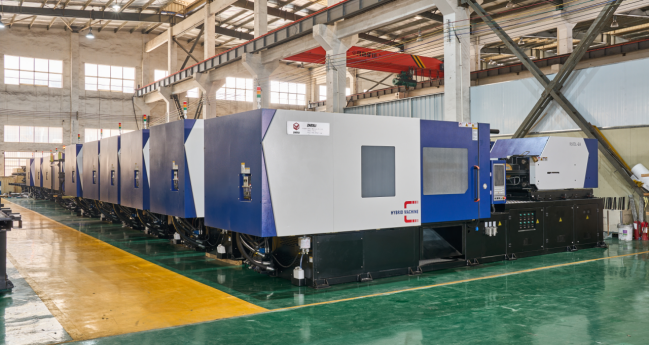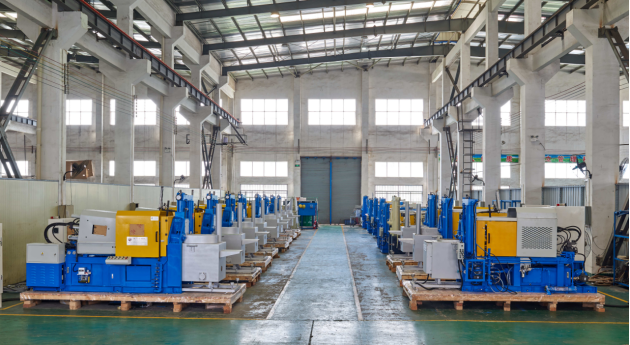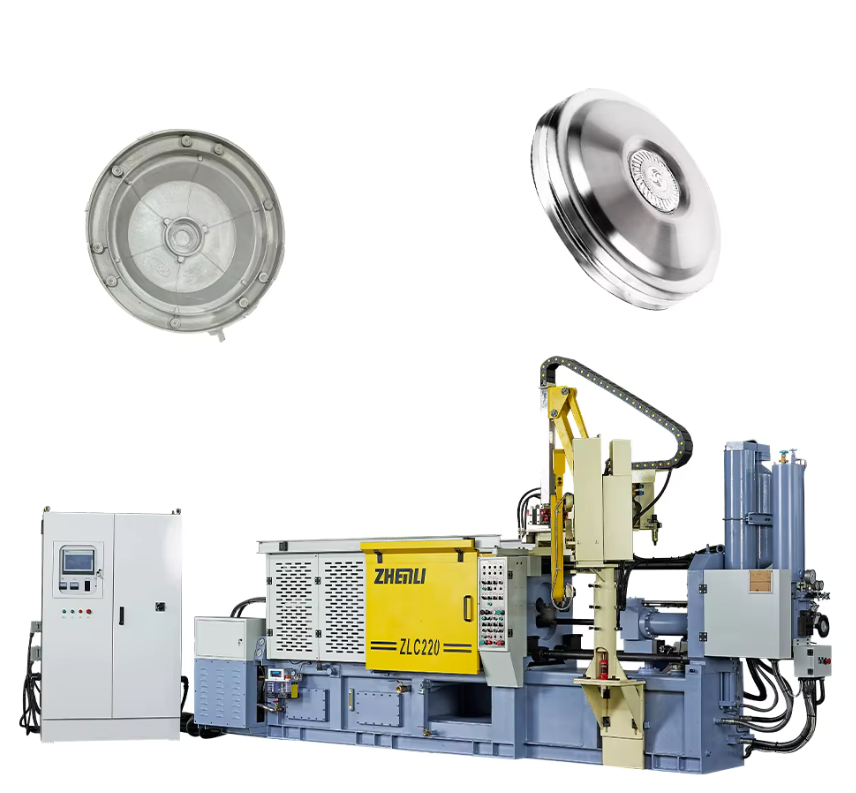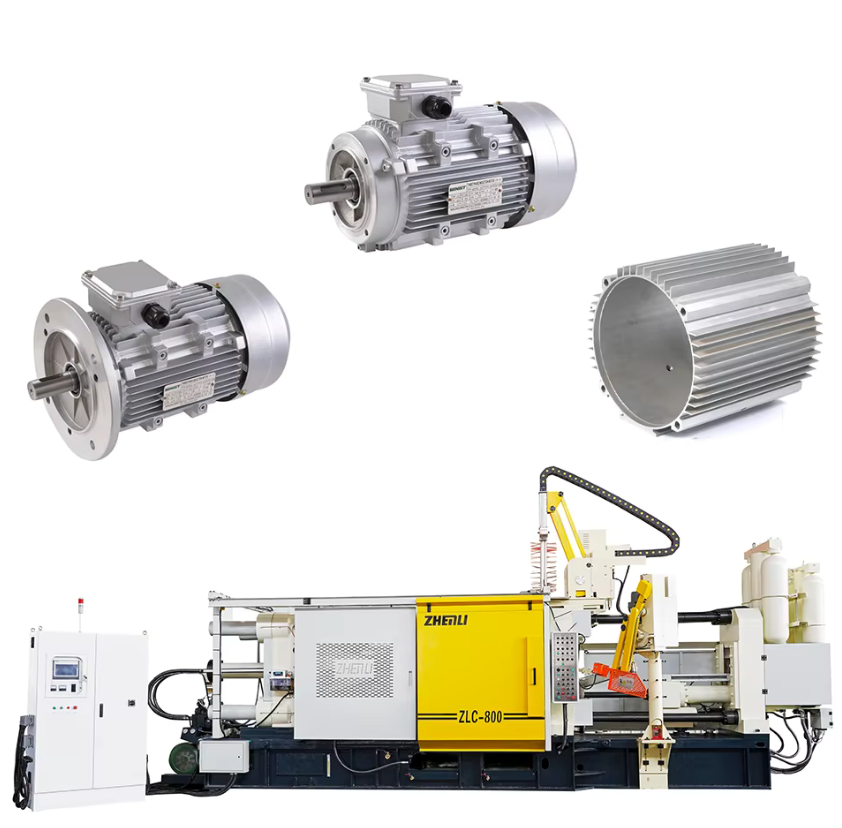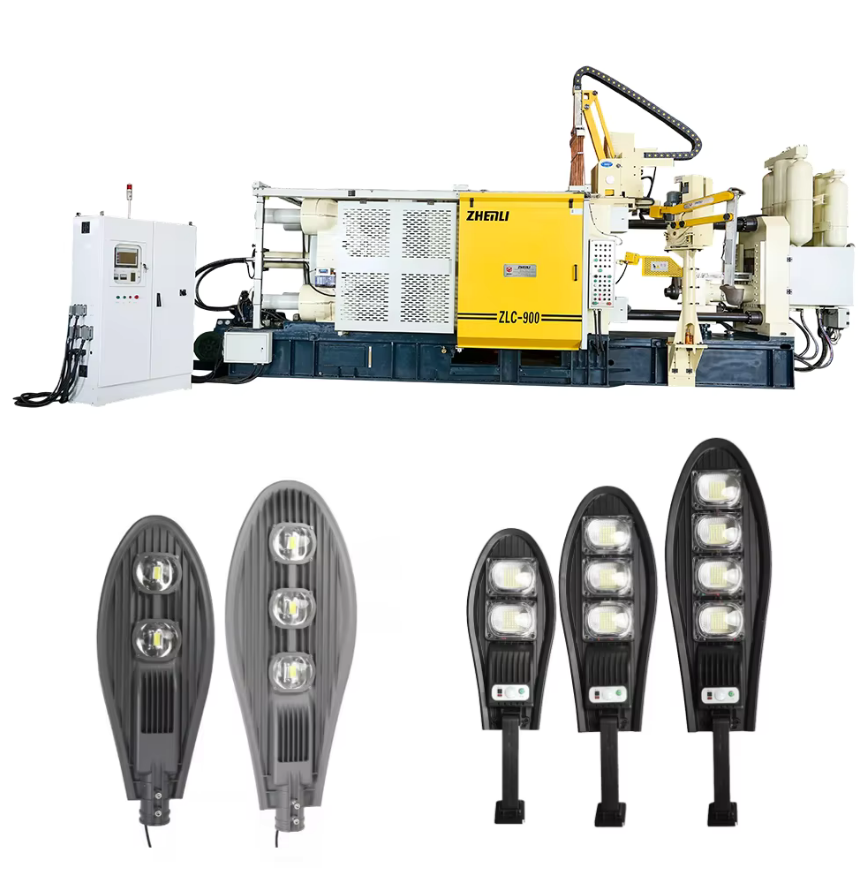
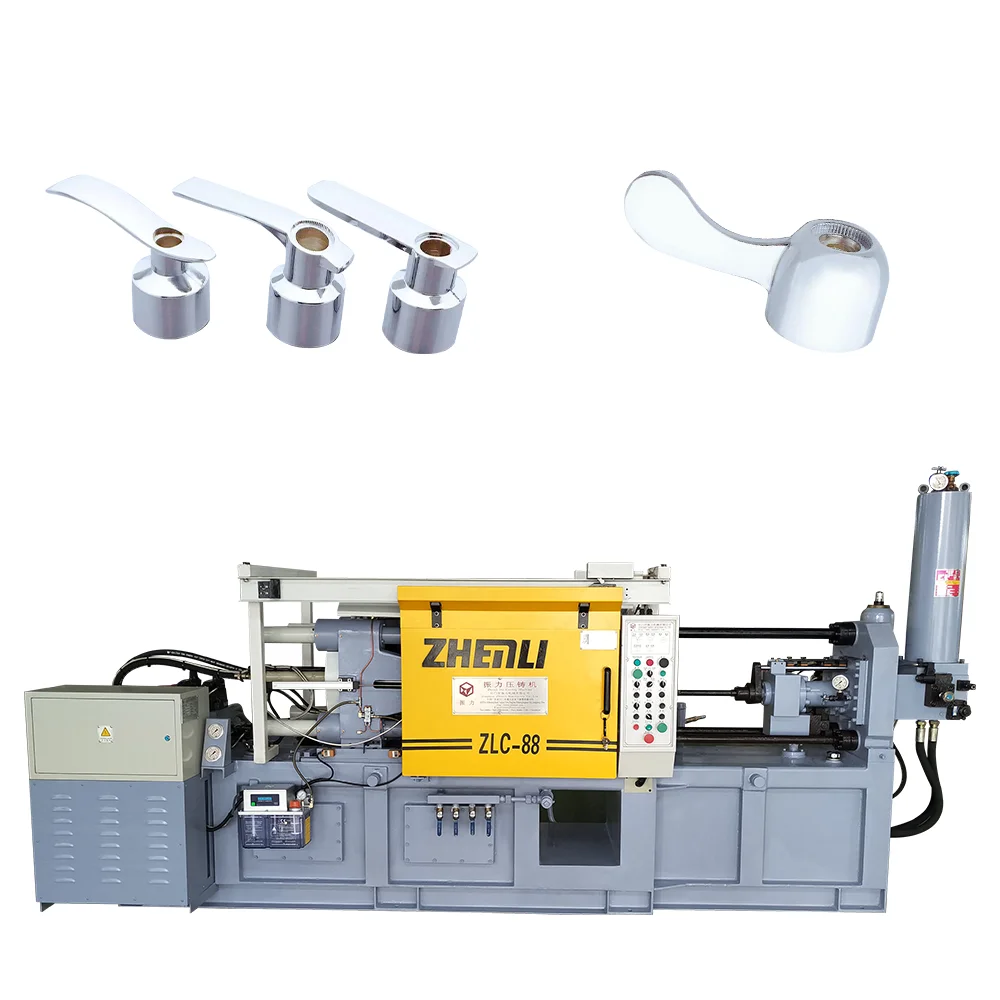
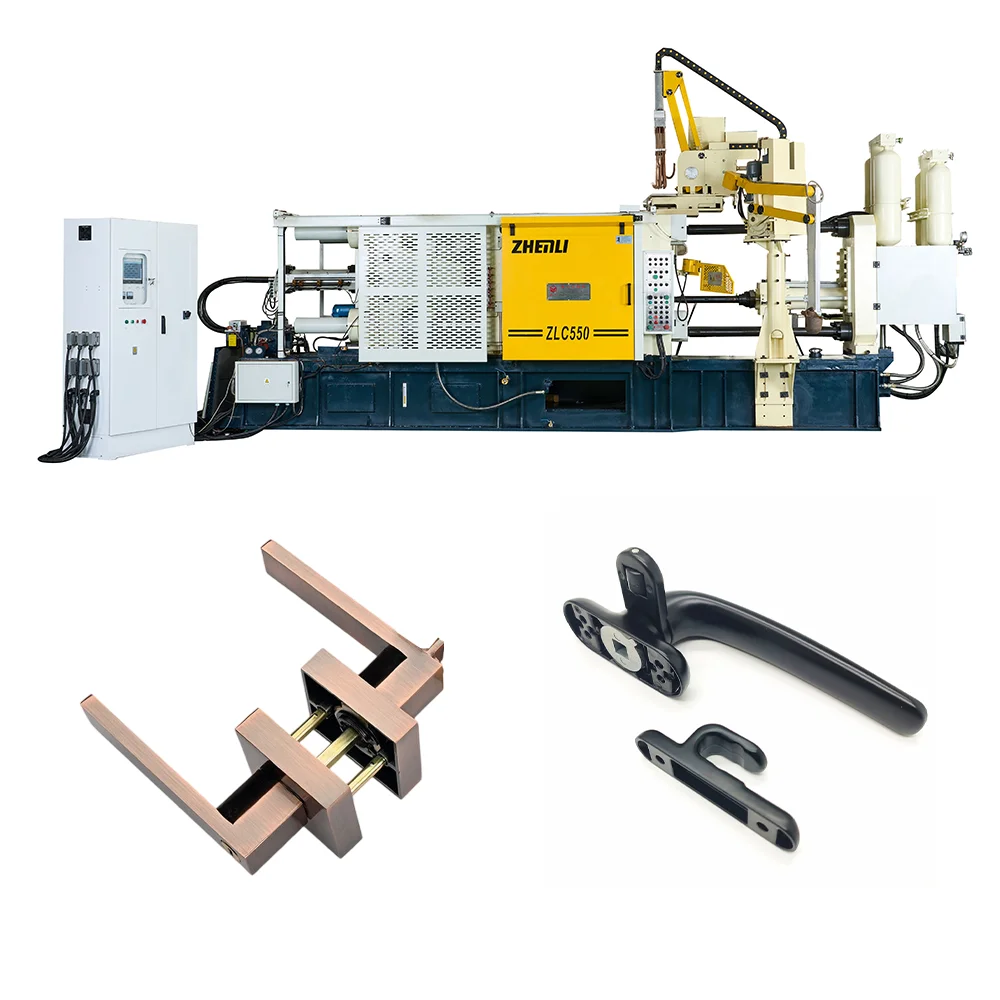
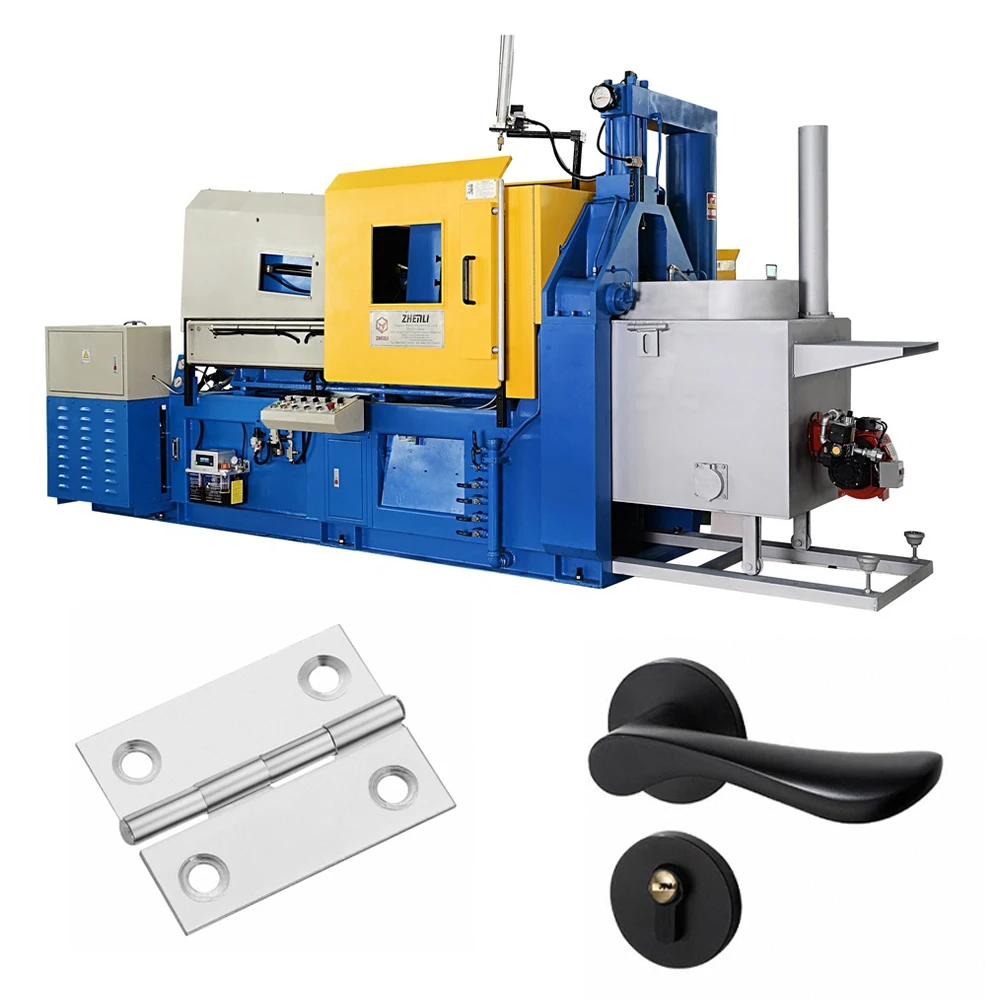
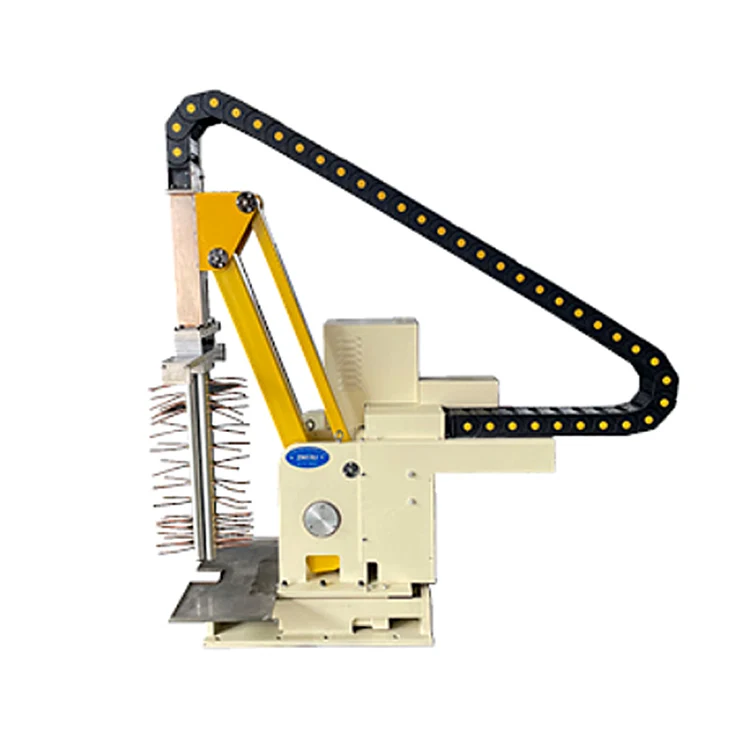
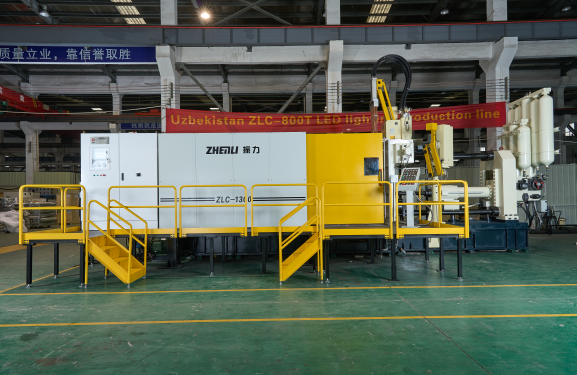
Aluminum injection molding machines are specialized systems used in metal injection molding (MIM) for aluminum materials, enabling the production of small, precision parts with high dimensional stability. These machines are designed to process aluminum powder feedstocks, which require specific adjustments such as increased injection pressures and temperatures to ensure proper flow and packing in the mold cavity. The construction often involves aluminum components for the machine frame to aid in heat dissipation and reduce overall weight, but the injection unit utilizes hardened steels to resist wear from abrasive powders. Key process stages include mixing aluminum powder with binders, injection into a mold, debinding to remove organic materials, and sintering at high temperatures to consolidate the metal particles. This results in parts with mechanical properties close to wrought aluminum, suitable for applications in aerospace and automotive sectors where weight reduction is crucial. Modern aluminum injection molding machines feature advanced controls for precise parameter adjustment, such as screw speed and backpressure, along with sensors for monitoring feedstock consistency and detecting potential issues like nozzle clogging. Factors influencing machine selection include clamp force (e.g., 20 100 tons for small parts), shot capacity, and compatibility with various binder systems. Despite higher initial costs compared to plastic injection machines, the ability to create complex geometries without extensive machining offers economic benefits for high volume production, supporting global demands for efficient and sustainable manufacturing.