 ×
×
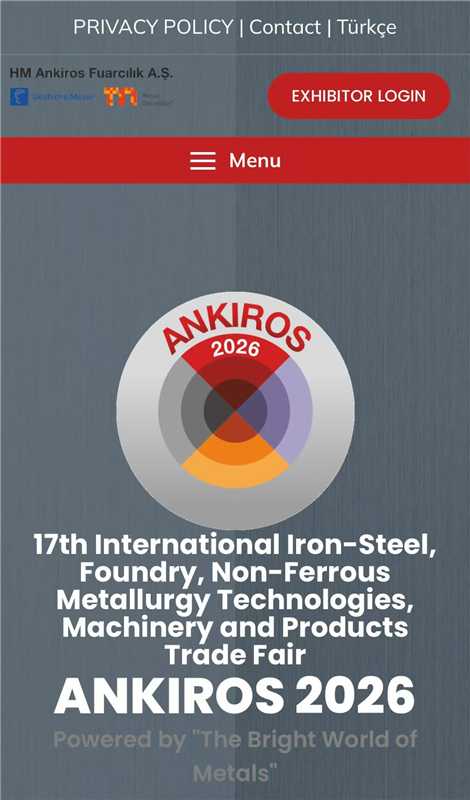
Three Countries, Three Different Conversations The second half of 2026 puts die casting on three different stages. Colombia, Mexico, and Turkey are not interchangeable markets, and treating them that way is the fastest way to have a busy-looking cal...
VIEW MORE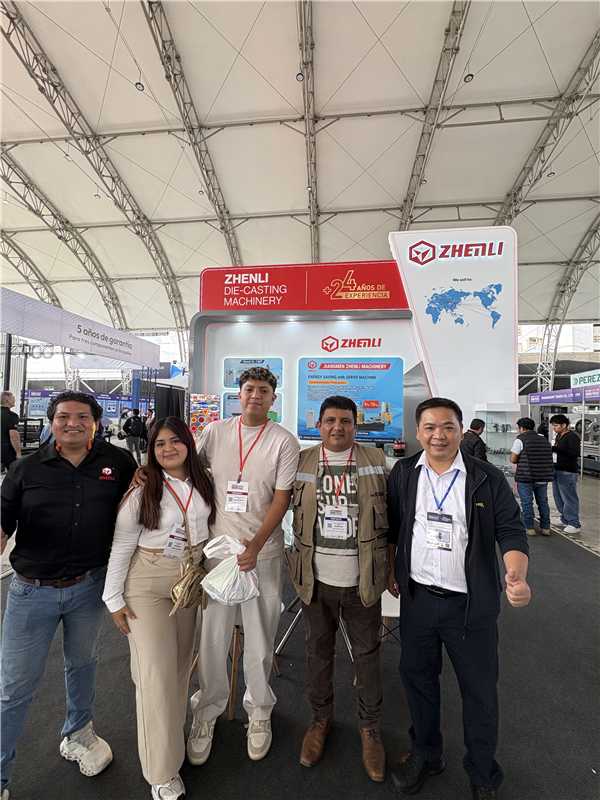
The Stand at the 2026 Peru FIMM Expo Zhenli took part in the 2026 Peru FIMM expo, one of the international metallurgy and foundry trade fairs held in the country, with a stand built to put the essentials in front of a Spanish-speaking audience at a g...
VIEW MORE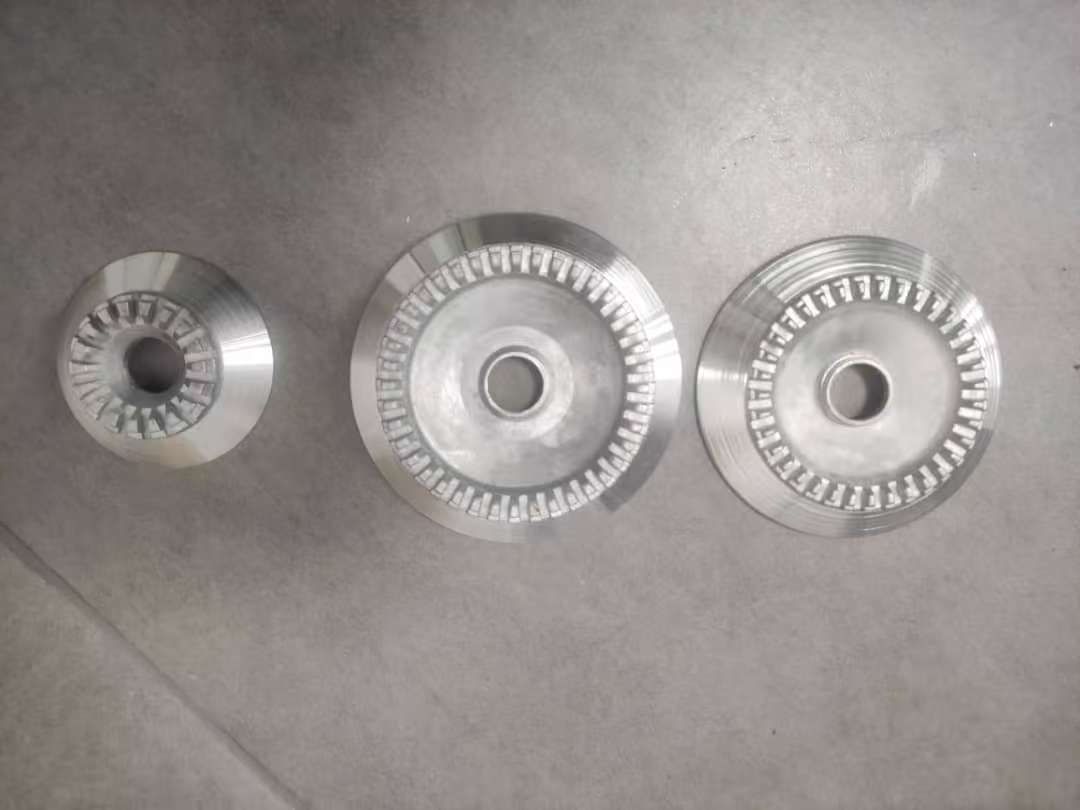
Burner Parts Look Simple, They Are Not A gas stove burner looks like an uncomplicated piece of metal. A body, a cap, some flame ports, a few mounting points. Anyone who has cast and machined one for a while knows the reality is narrower than that. Th...
VIEW MORE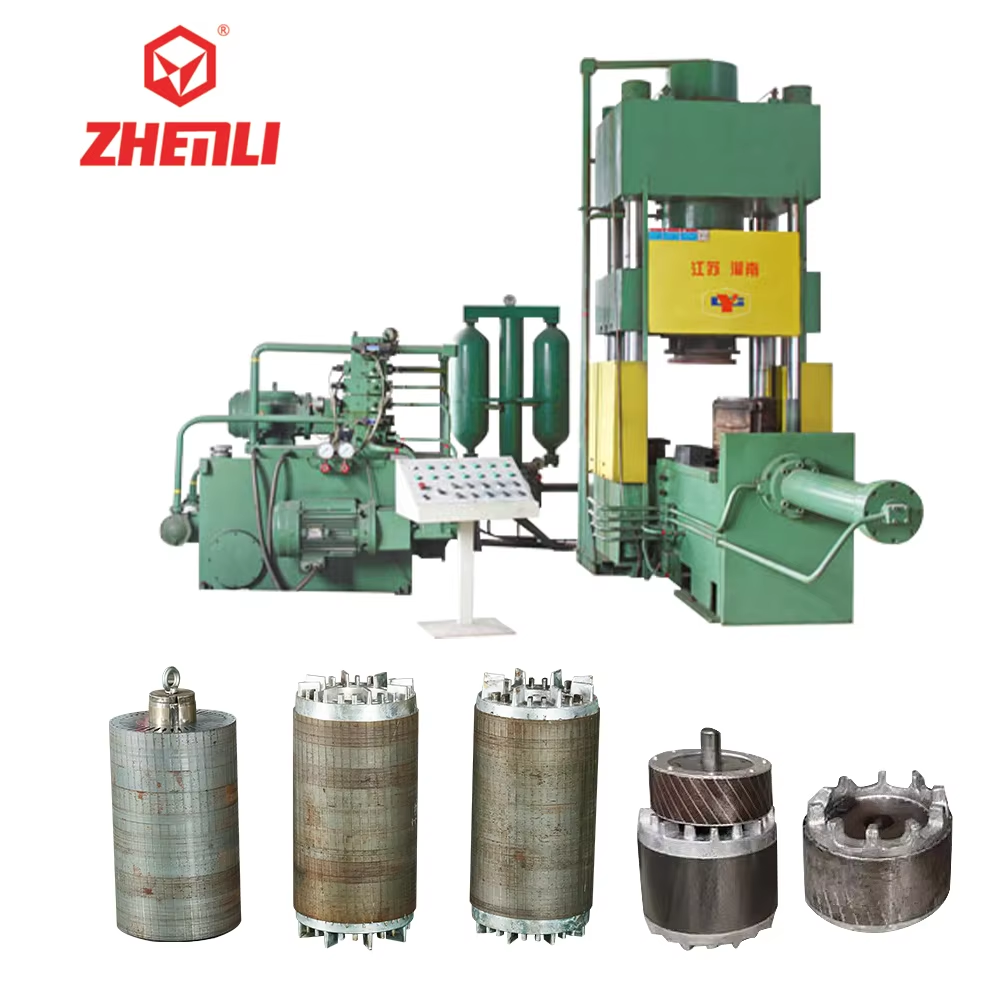
Start With the Plant, Not the Press Setting up a Zamak die casting line has a way of tempting people to pick a machine first. That is backwards, and it is a fairly expensive mistake to discover later. The press is only one element in a chain that inc...
VIEW MORE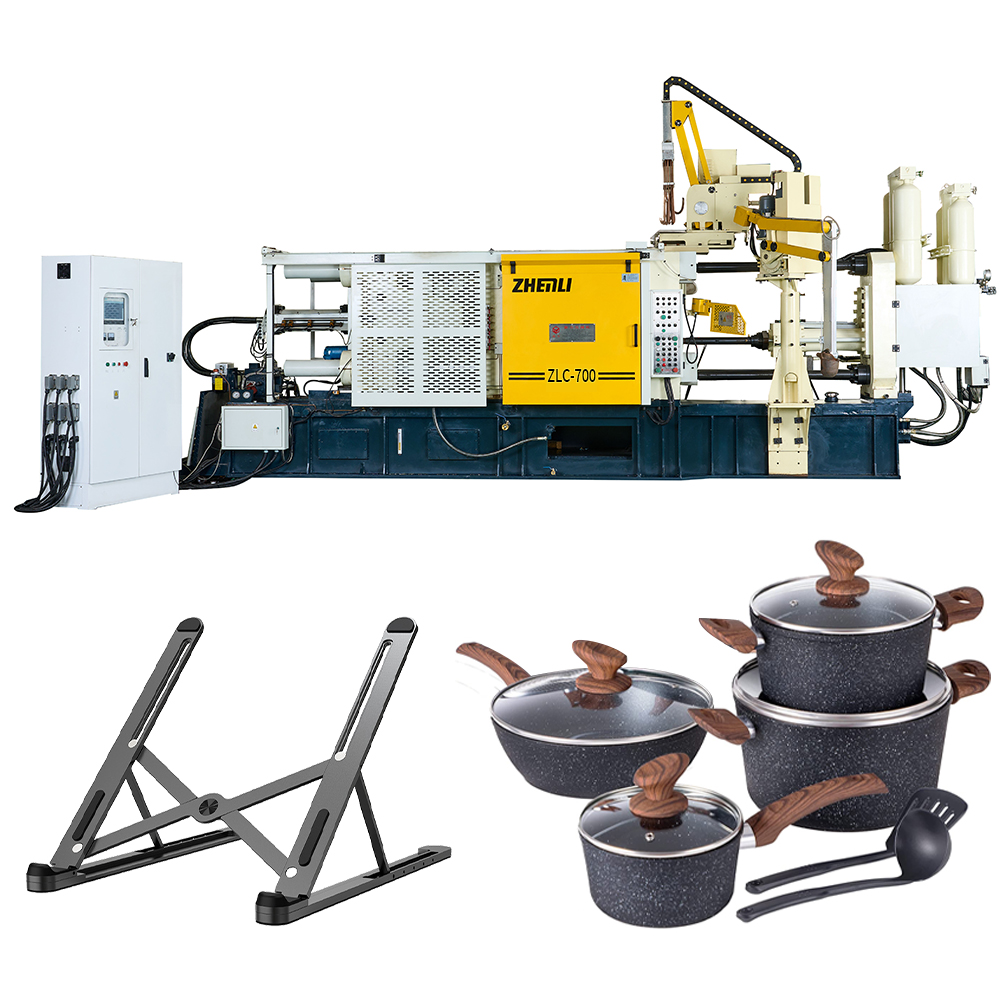
The Choice Comes Down to the Metal, Not the Machine Open a die casting machine catalog and the first split is usually cold chamber versus hot chamber. It reads like a technical distinction, and it is one, but the thing that actually decides which pre...
VIEW MORE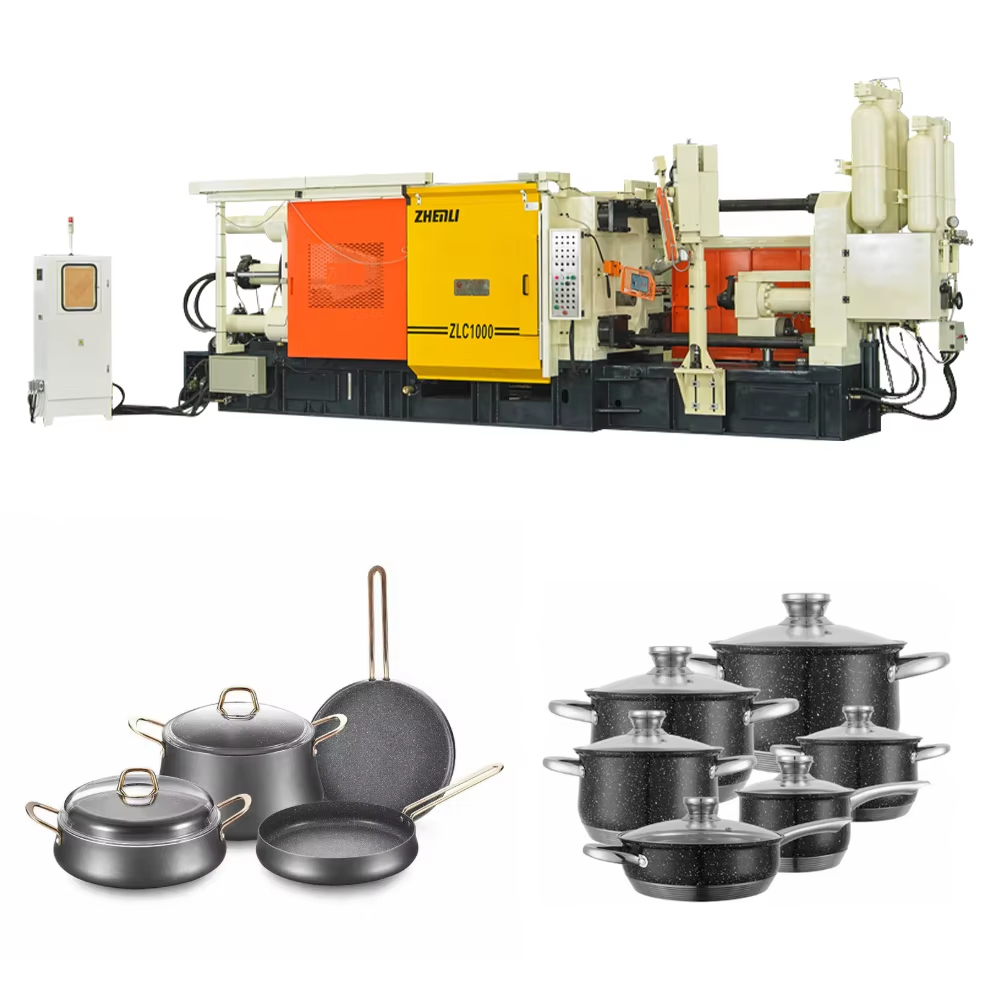
Integration is the hard part Buying a new die casting machine is straightforward. Getting it to work with everything else in the shop — the furnaces, the trim presses, the conveyors, the quality inspection stations, the data systems — tha...
VIEW MORE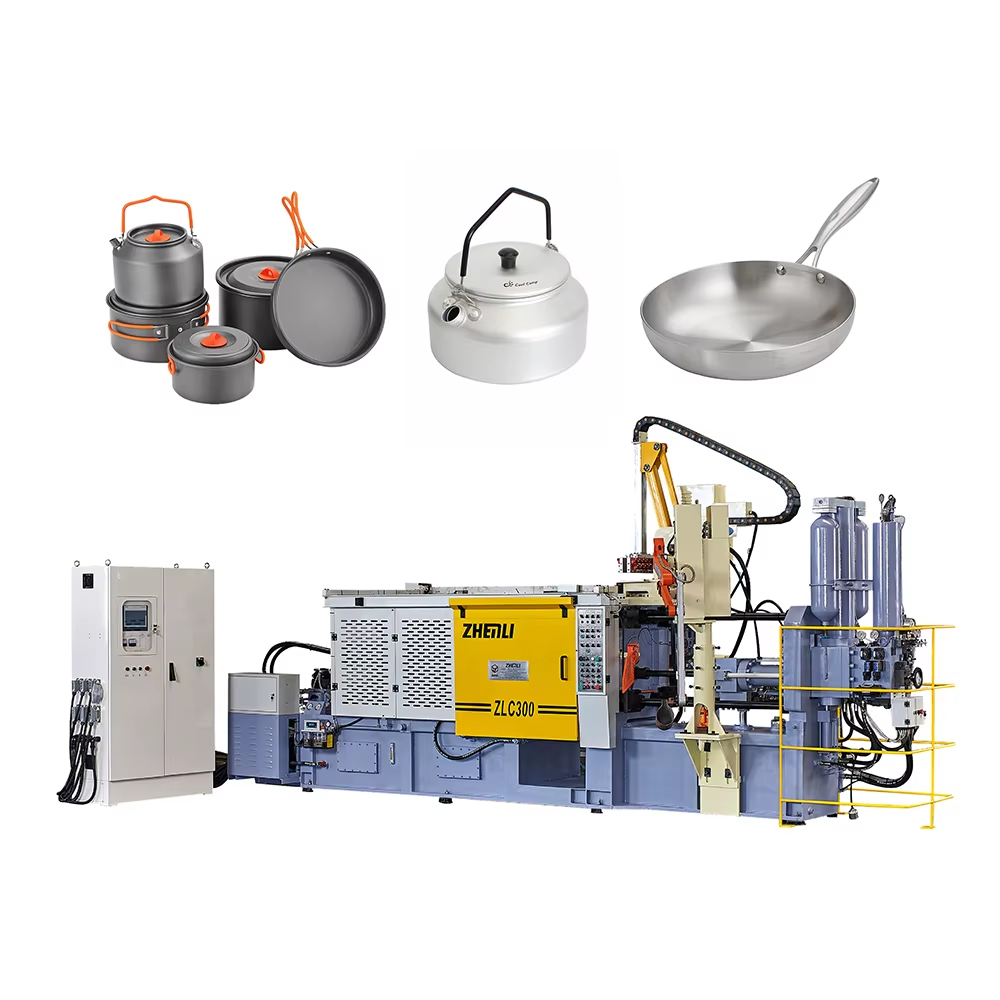
The industry is shifting — and fast The metal casting machinery market is in the middle of a transformation that's happening faster than many in the industry anticipated. The global die casting machinery market was valued at roughly $3.6 billio...
VIEW MORE
The high-temperature challenge Aluminum and copper alloys present a fundamental problem for die casting: they melt at temperatures that destroy the equipment used to inject them. The gooseneck and plunger of a hot chamber machine, submerged in molten...
VIEW MORE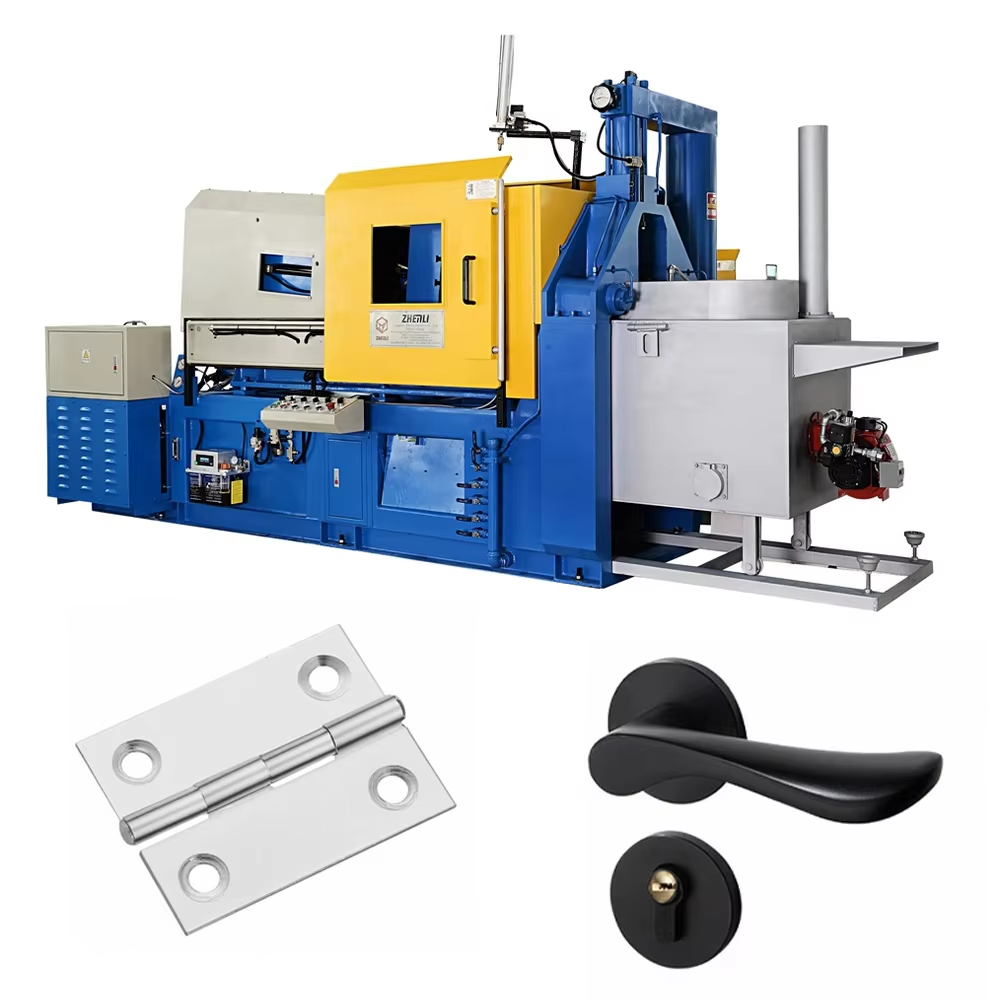
Speed isn't the only thing — but it's close Walk through a facility running hot chamber die casting machines for small zinc parts, and the rhythm is unmistakable. The clack of the die closing, the hiss of the shot, the spray of the release agen...
VIEW MORE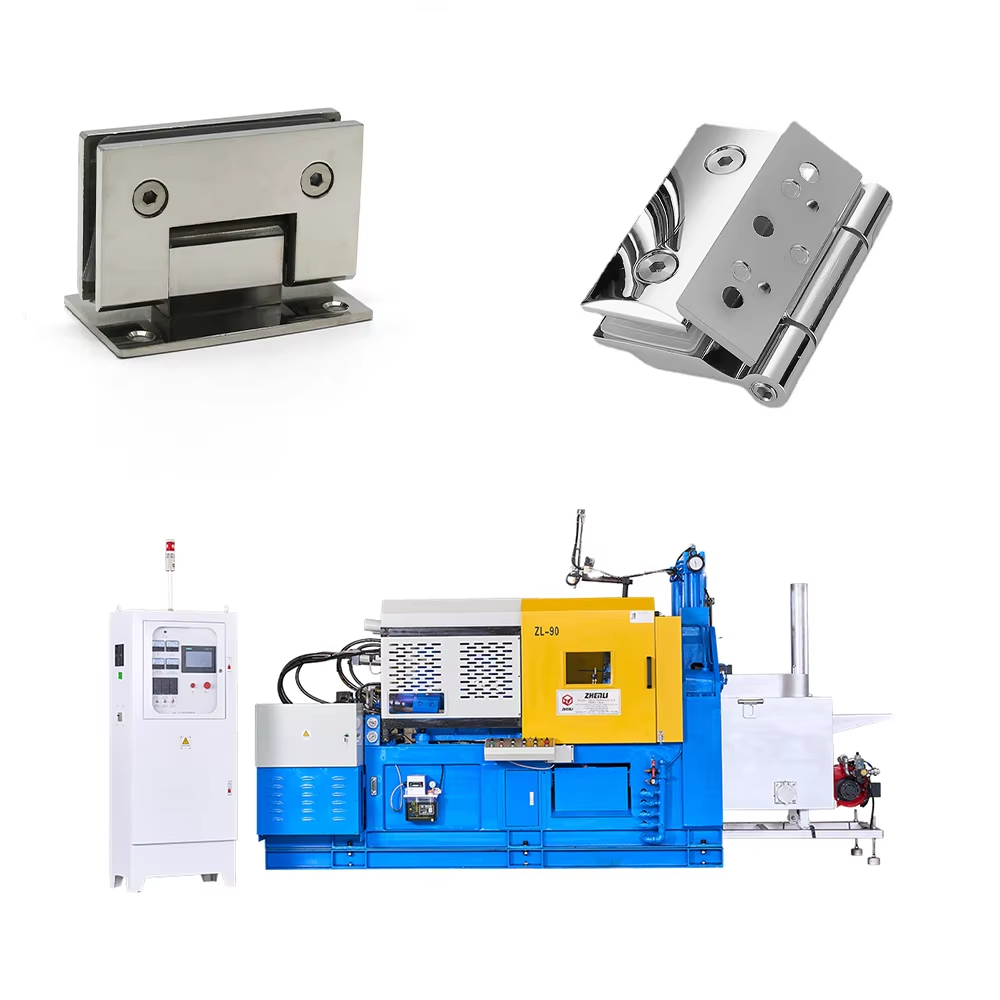
Two machines, one question Walk onto any die casting shop floor, and you'll see one of two types of machines doing the heavy lifting: hot chamber or cold chamber. For zinc, the choice seems straightforward — most zinc die casting runs on hot ch...
VIEW MORE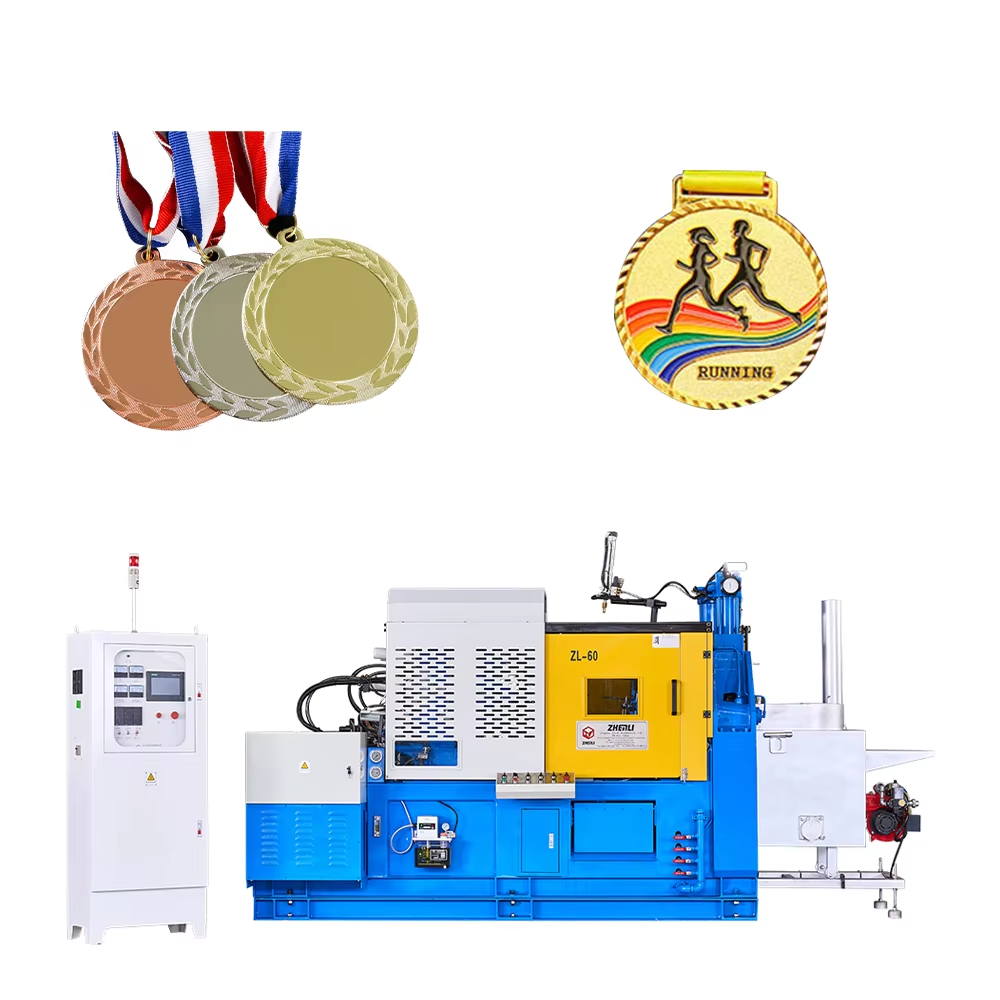
Surface finish isn't cosmetic — it's functional Walk into any plating shop that handles zinc die castings, and the conversation usually starts the same way: "Can we get this to look like chrome without breaking the bank?" But here's the thing &...
VIEW MORE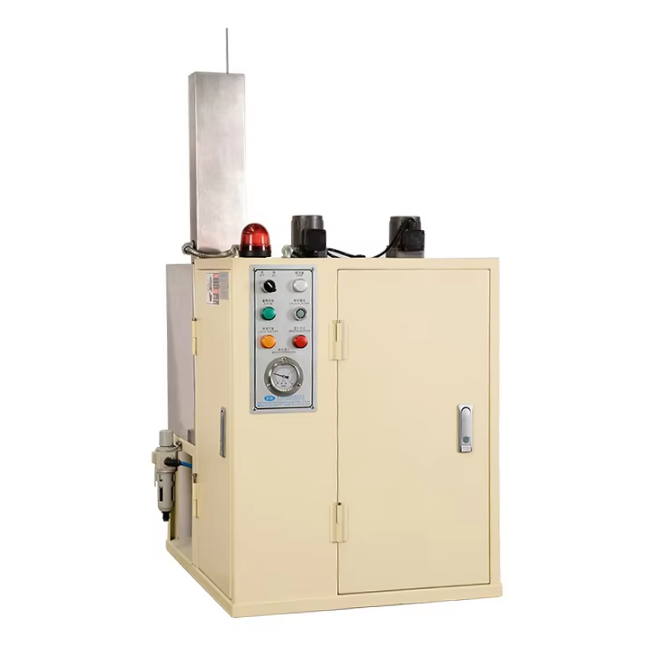
The Real Cost of Inconsistent Machine Performance A die casting operation in Thailand was running the same aluminum bracket on three identical machines from the same supplier. The parts coming off machine one passed QC at 98.4%. Machine two ran at 96...
VIEW MORE
Jiangmen Zhenli Machinery Co., Ltd. provides advanced hot chamber and cold chamber die casting machines for global manufacturing. Our CNC-equipped precision engineering delivers reliable, high-performance solutions trusted worldwide. Contact us today.
BUILDING 1,NO.50 BAOTANG ROAD,TANGXIA TOWN,PENGJIANG DISTRICT, JIANGMEN CITY ,GUANGDONG,CHINA
Copyright © 2025 by Jiangmen Zhenli Machinery Co., Ltd. Privacy Policy
 EN
EN

