 ×
×
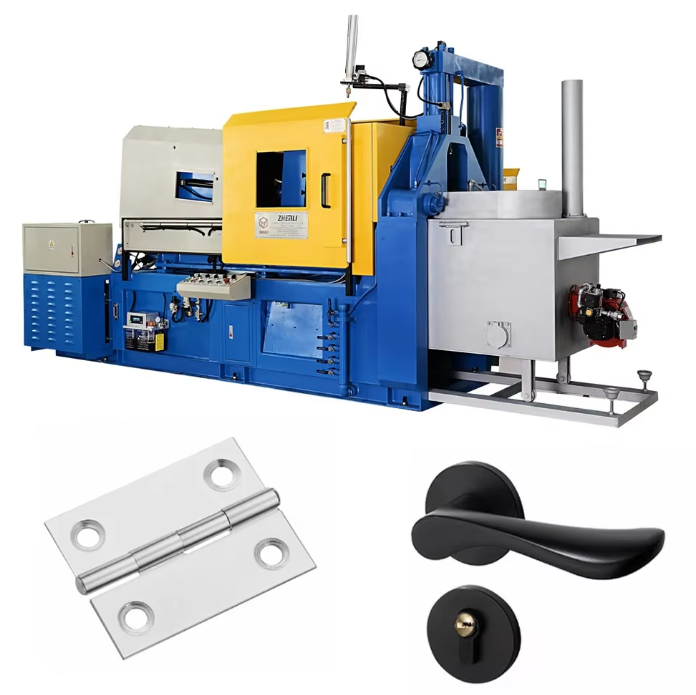
Complex geometries and tight tolerances expose the limits of most manufacturing processes. Undercuts, thin walls, varying cross-sections, and internal features push machining and cold forming to their breaking points. Zinc die casting already hand...
VIEW MORE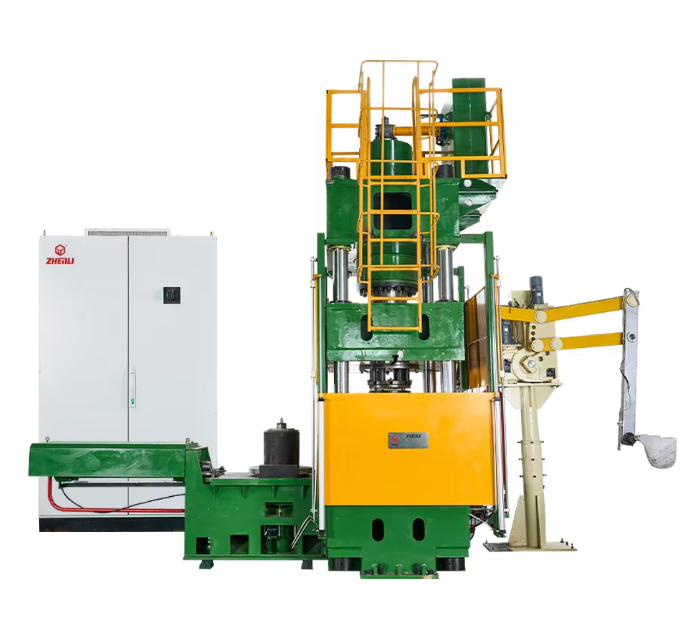
Zinc casting seems straightforward on paper. Low melting point, great fluidity, fast cycles. But anyone who has spent time on a zinc production floor knows the real challenge: temperature consistency. A shift of just 10°C in melt temperature c...
VIEW MORE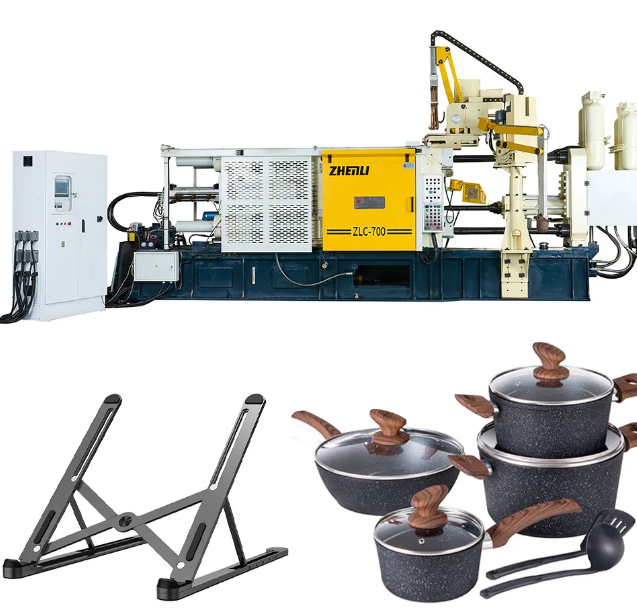
Nobody wants to tear down a fresh casting only to find a network of tiny gas pores scattered across the cross-section. Air entrapment remains one of the most persistent headaches in high-pressure die casting. When molten metal rushes into the cavi...
VIEW MORE
Understanding Die Casting Machine Types and Core CapabilitiesThere are basically two types of die casting machines that work differently depending on how they handle molten metal: hot chamber and cold chamber systems. Hot chamber machines keep the in...
VIEW MORE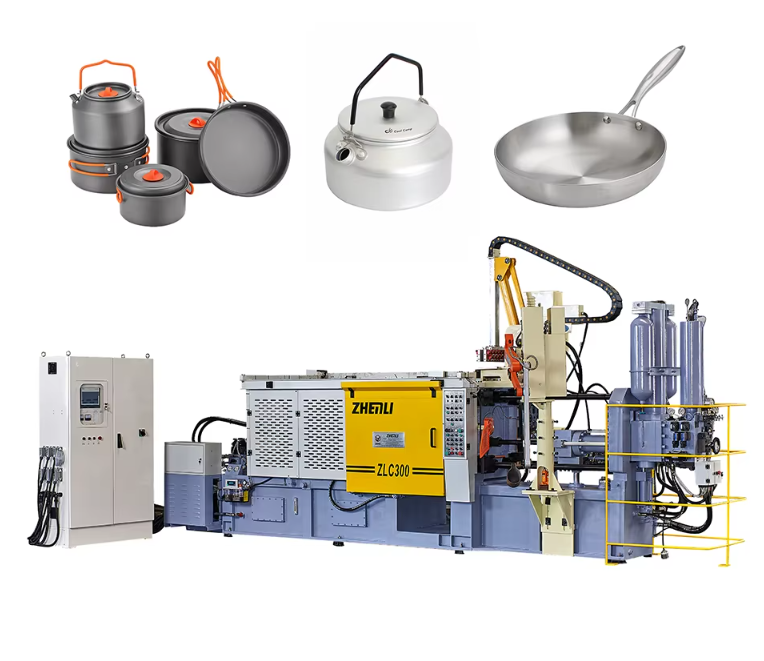
Why Zinc Alloy Chemistry Dictates Machine ArchitectureZamak Alloys (Zamak 3/5) and Hot-Chamber Compatibility: Low Melting Point, High Fluidity, and Minimal Thermal DegradationZamak 3 and 5 zinc alloys work particularly well with hot chamber die casti...
VIEW MORE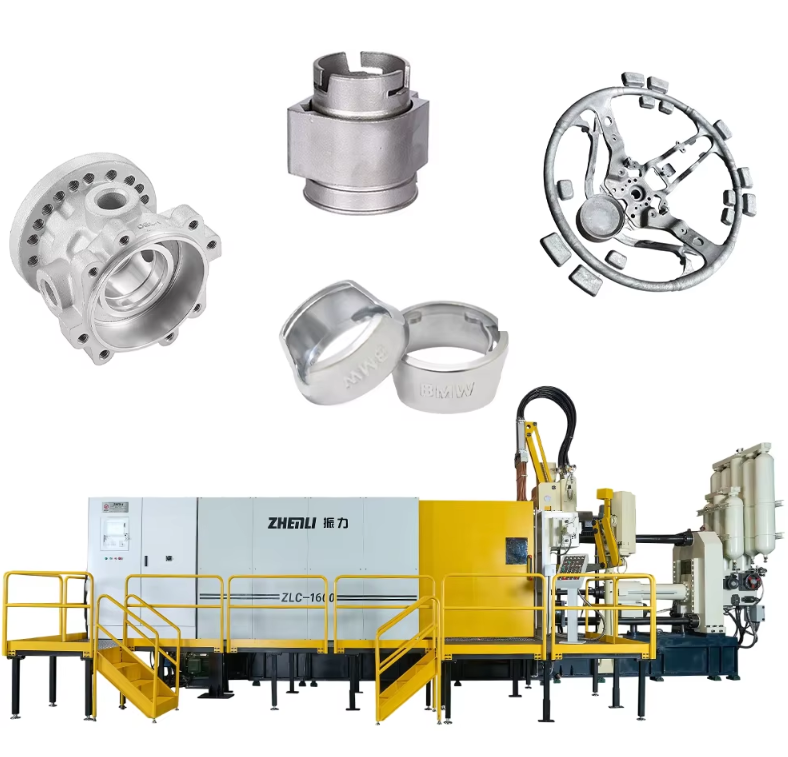
Core Industrial Requirements for Cold Chamber Die Casting MachinesClamping Force, Shot Capacity, and Cycle Time Alignment with Production Volume Targets Picking the right cold chamber die casting machine really comes down to getting the specs to matc...
VIEW MORE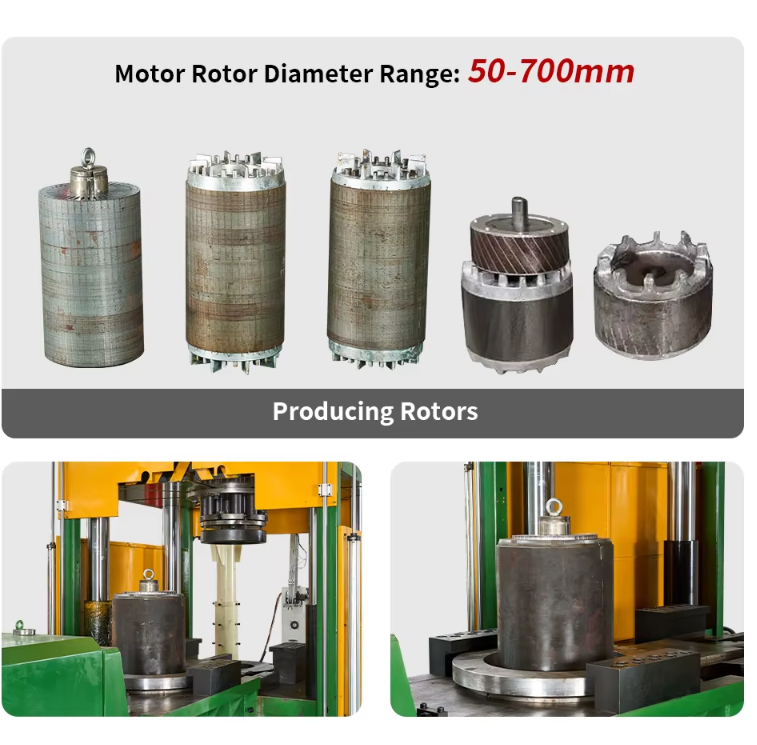
Precision Engineering: The Foundation of Aluminum Die Casting Machine Reliability Injection Speed and Intensification Pressure for Structural Integrity Getting the right balance between injection speed and intensification pressure matters a lot when...
VIEW MORE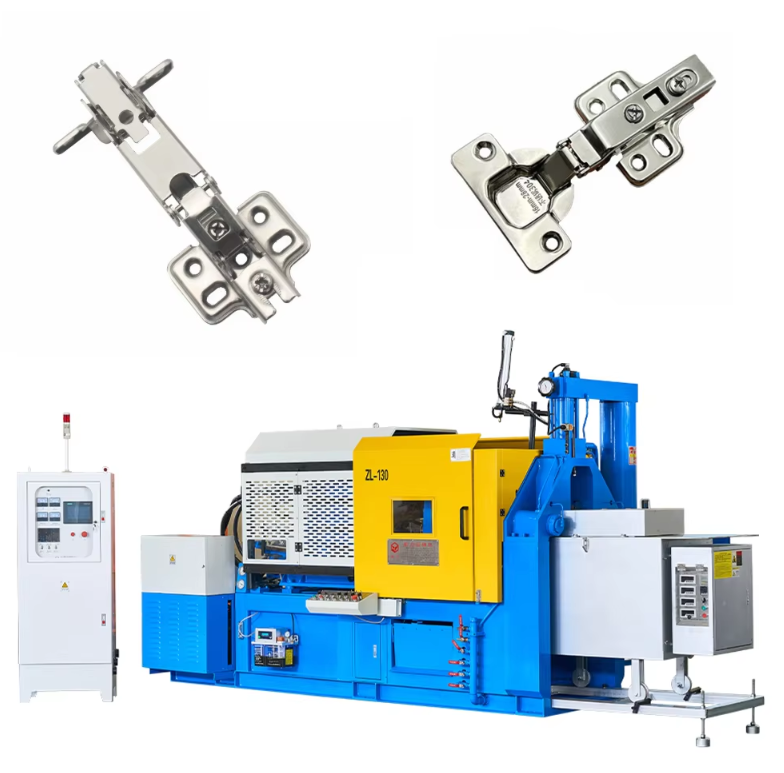
Alloy Compatibility and Material-Specific Design RequirementsWhy Zinc and Magnesium Alloys Dominate Hot Chamber Die Casting and Why Aluminum Is IncompatibleHot chamber die casting machines work best with metals that melt at lower temperatures like zi...
VIEW MORE
Core Operational Principles: Gravity Feed vs. High-Pressure Injection How Gravity Casting Machines Rely on Natural Force for Mold Filling Gravity casting works by letting molten metal flow down from a high furnace into molds below, creating a smoot...
VIEW MORE
How Aluminum Die Casting Machines Work: Core Mechanisms and Process Flow Aluminum die casting machines work their magic by turning liquid aluminum into highly accurate parts using speed and pressure. When the process starts, a two part steel mold c...
VIEW MORE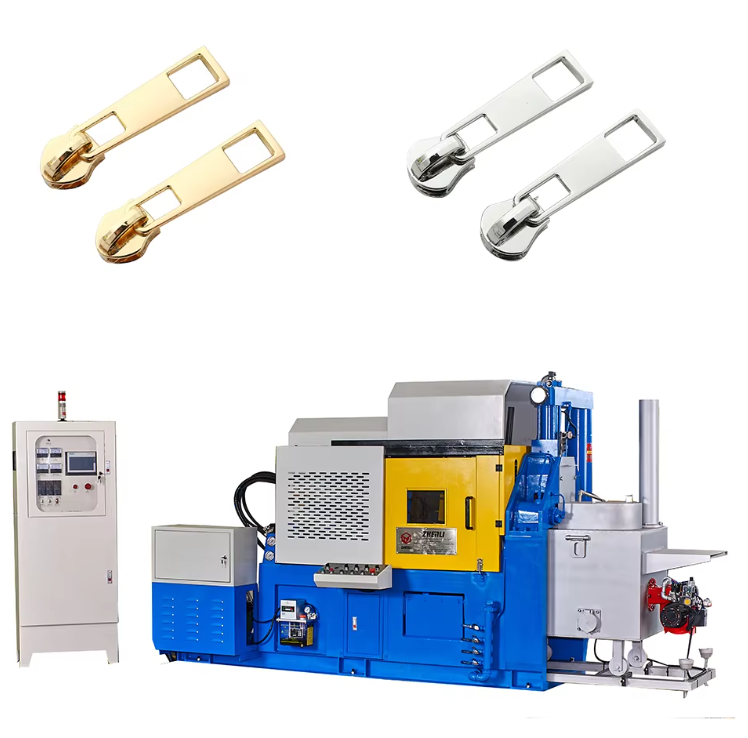
Optimize Die and Mold Longevity Through Thermal Control and Material Compatibility Why zinc’s low melting point and non-abrasive nature reduce wear on zinc die casting machines The melting point of zinc is around 419 degrees Celsius which mea...
VIEW MORE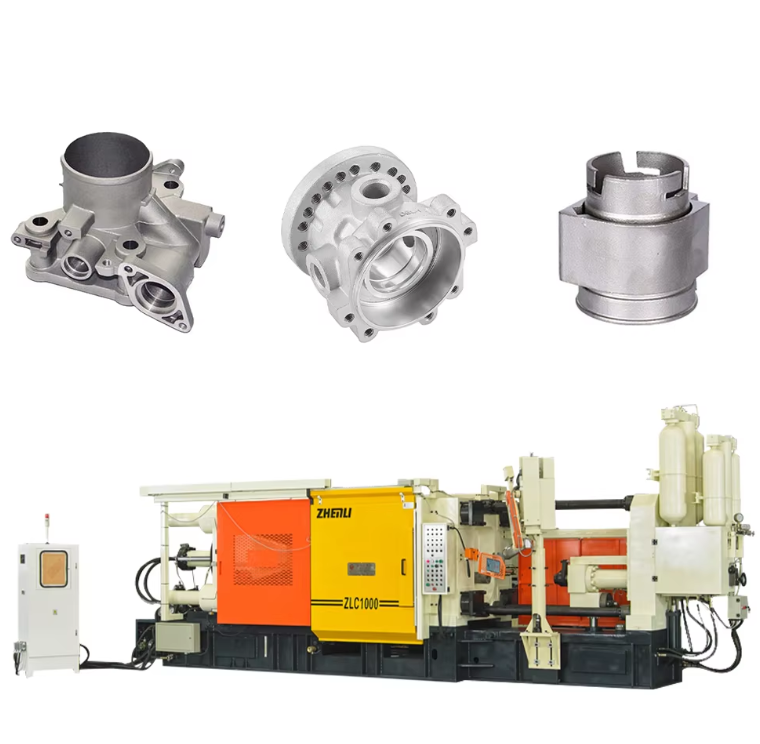
Core Quality Certification: ISO 9001 for Metal Casting Machinery Why ISO 9001:2015 Is Mandatory for Metal Casting Machinery Manufacturers Getting ISO 9001:2015 certified is not something companies can skip if they want to stay competitive in today'...
VIEW MORE
Jiangmen Zhenli Machinery Co., Ltd. provides advanced hot chamber and cold chamber die casting machines for global manufacturing. Our CNC-equipped precision engineering delivers reliable, high-performance solutions trusted worldwide. Contact us today.
BUILDING 1,NO.50 BAOTANG ROAD,TANGXIA TOWN,PENGJIANG DISTRICT, JIANGMEN CITY ,GUANGDONG,CHINA
Copyright © 2025 by Jiangmen Zhenli Machinery Co., Ltd. Privacy Policy
 EN
EN

