 ×
×
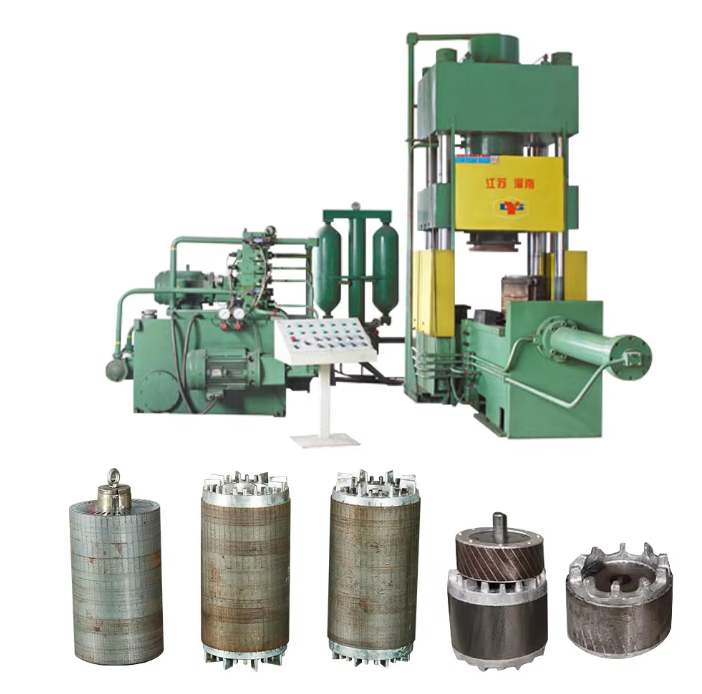
The Melting Point Problem That Hot Chamber Machines Can't Solve Walk into any die casting facility that runs aluminum, and the first thing that stands out is the furnace arrangement. Unlike zinc operations where the melt sits right inside the machine...
VIEW MORE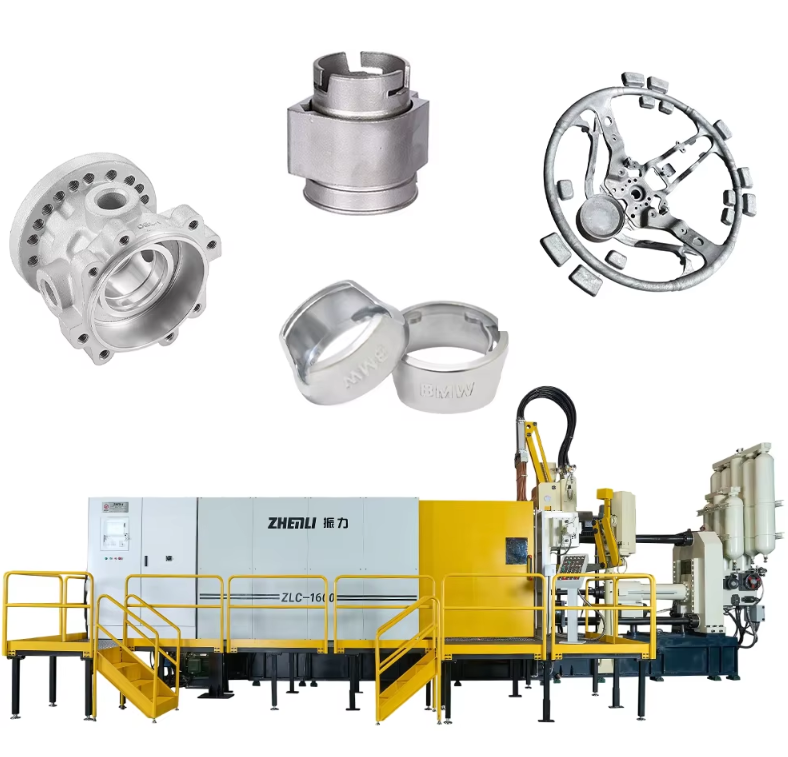
Volume Changes Everything Low-volume production can get away with a lot. A foundry running a few hundred parts a month can afford slower cycles, more manual intervention, and higher scrap rates. High-volume production—think tens of thousands ...
VIEW MORE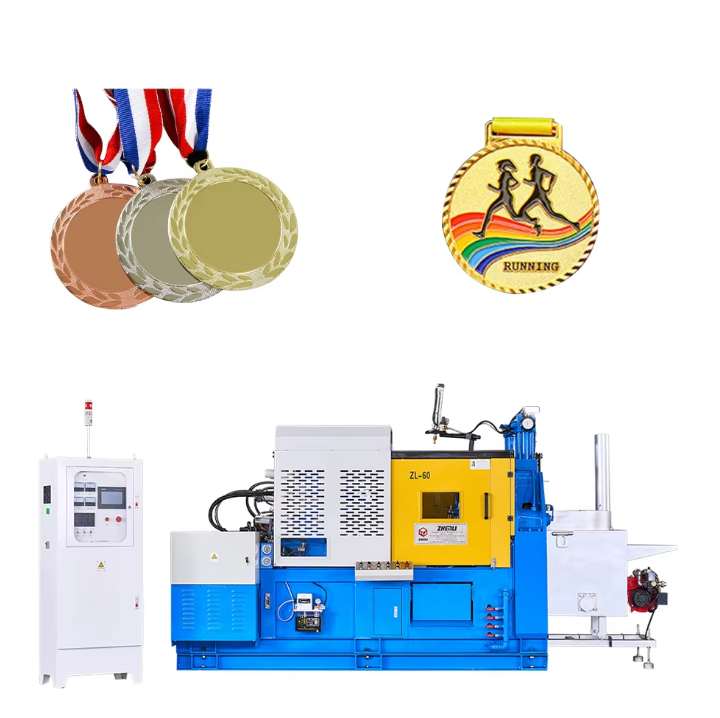
The Setup Phase Determines Everything Walking up to a zinc die casting machine and expecting precision parts without a disciplined setup routine is like expecting a CNC machine to hold tolerances without indicating the vice. It doesn't work that wa...
VIEW MORE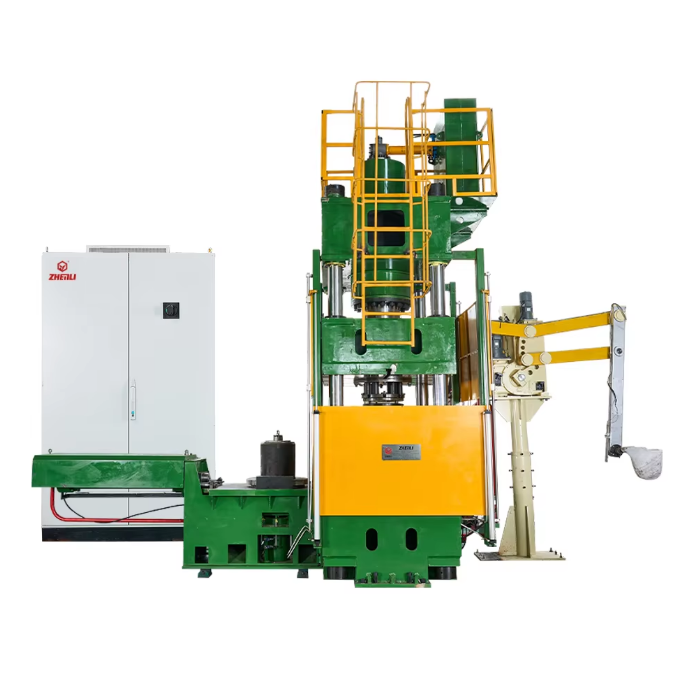
Porosity: The Hidden Cost in Every Aluminum Shot Porosity ranks as the single biggest quality headache in aluminum high-pressure die casting. Rejection rates tied to porosity routinely eat into margins—one study found that porosity causes mor...
VIEW MORE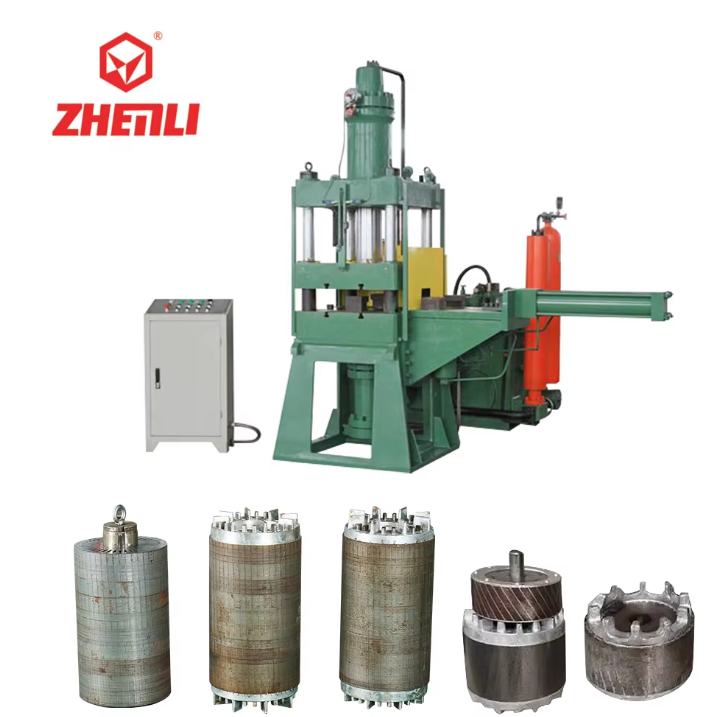
The Reality Check Every Production Manager Faces The machine is running. Parts are coming out. And yet, the rejection rate sits at 8%, maybe 12%, and nobody can quite figure out why. The parameters on the screen look right. The operator swears noth...
VIEW MORE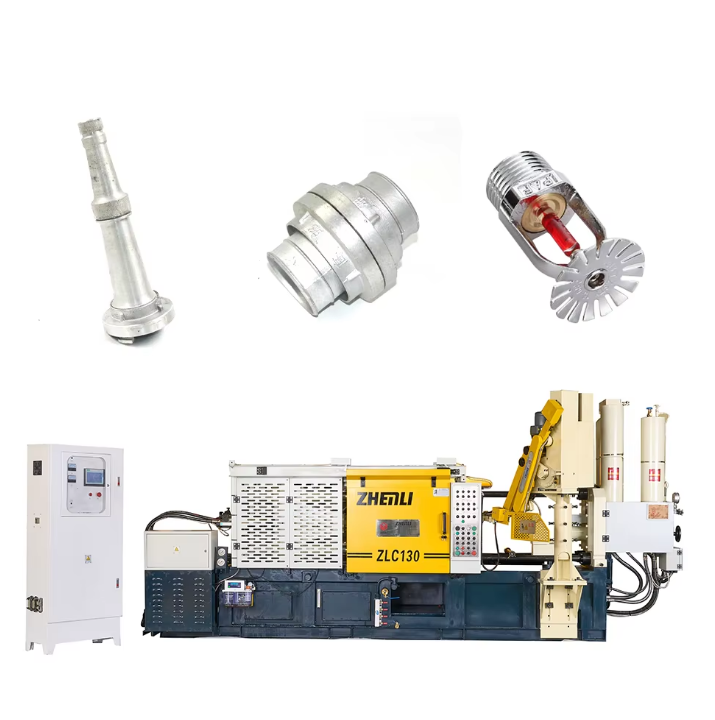
The First Mistake Most Small Foundries Make Walking into a small foundry operation, the most common sight is a machine that’s either too large for the work or completely wrong for the alloy being processed. The equipment sits there, consuming...
VIEW MORE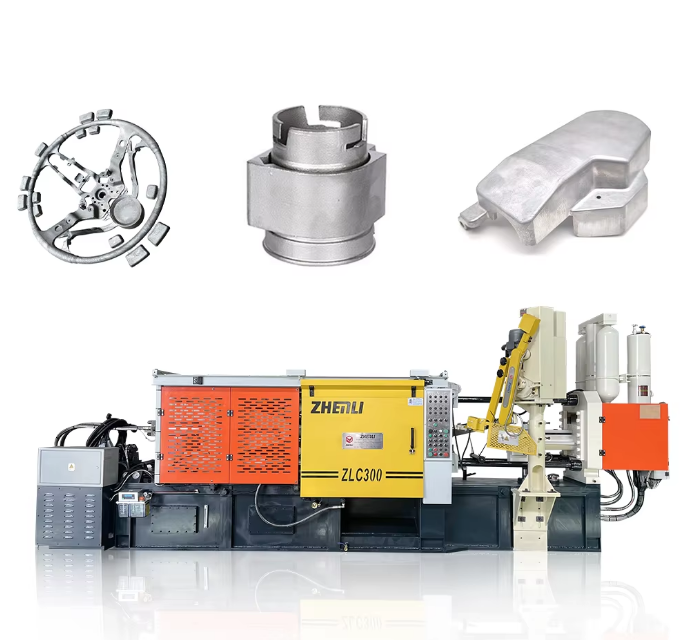
The Scale Problem That Changed the Industry Electric vehicle battery housings are not small parts. A typical EV battery pack enclosure measures well over a meter in length and width, with complex internal ribbing, mounting points, and cooling chann...
VIEW MORE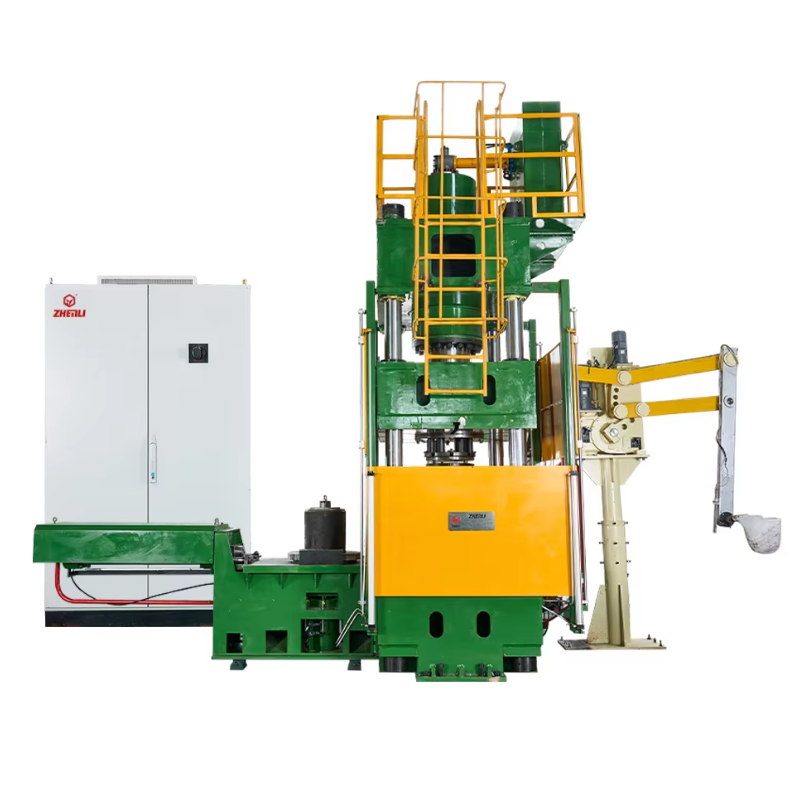
The Hidden Challenge of Casting Large Parts Running large molds on a standard cold chamber machine often feels like fighting the equipment rather than working with it. The mold heats up unevenly, the shot takes too long to fill, and every third par...
VIEW MORE
Most discussions about surface finish in die casting focus on post-processing—polishing, tumbling, or coating. That misses the bigger opportunity. The machine itself plays a direct role in determining how smooth an as-cast aluminum part emer...
VIEW MORE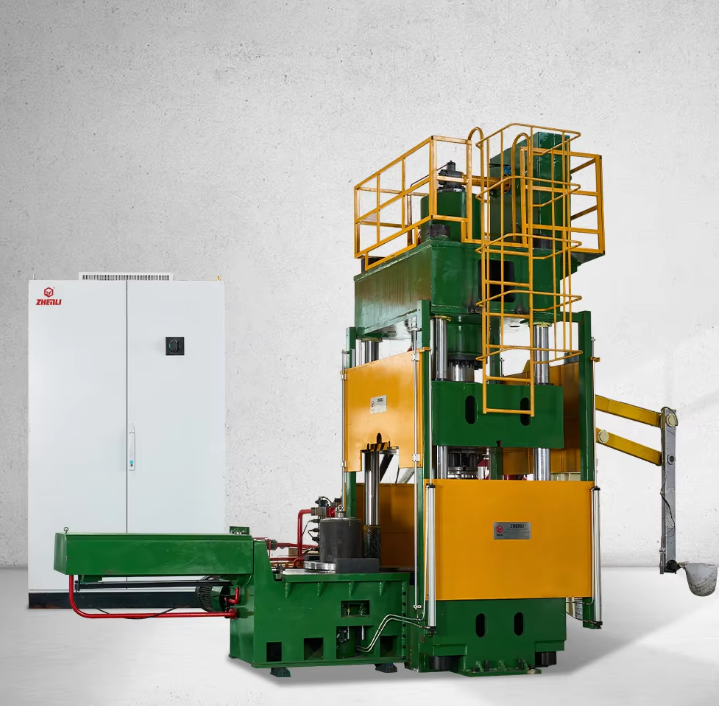
Walk onto any shop floor and ask ten operators what clamping force does, and nine will say something like “it holds the mold closed.” That is technically correct but misses the point entirely. Clamping force is not just about keeping t...
VIEW MORE
Walking into a foundry that runs three shifts, five days a week, fifty weeks a year puts a different kind of pressure on equipment decisions than a job shop that runs batch orders. The machine that works fine for a few thousand parts a month might...
VIEW MORE
Molten aluminum runs at roughly 660°C to 700°C. That is hot enough to soften most alloy steels and accelerate chemical attack on any component left submerged too long. Hot chamber die casting machines keep the injection system immersed in ...
VIEW MORE
Jiangmen Zhenli Machinery Co., Ltd. provides advanced hot chamber and cold chamber die casting machines for global manufacturing. Our CNC-equipped precision engineering delivers reliable, high-performance solutions trusted worldwide. Contact us today.
BUILDING 1,NO.50 BAOTANG ROAD,TANGXIA TOWN,PENGJIANG DISTRICT, JIANGMEN CITY ,GUANGDONG,CHINA
Copyright © 2025 by Jiangmen Zhenli Machinery Co., Ltd. Privacy Policy
 EN
EN

