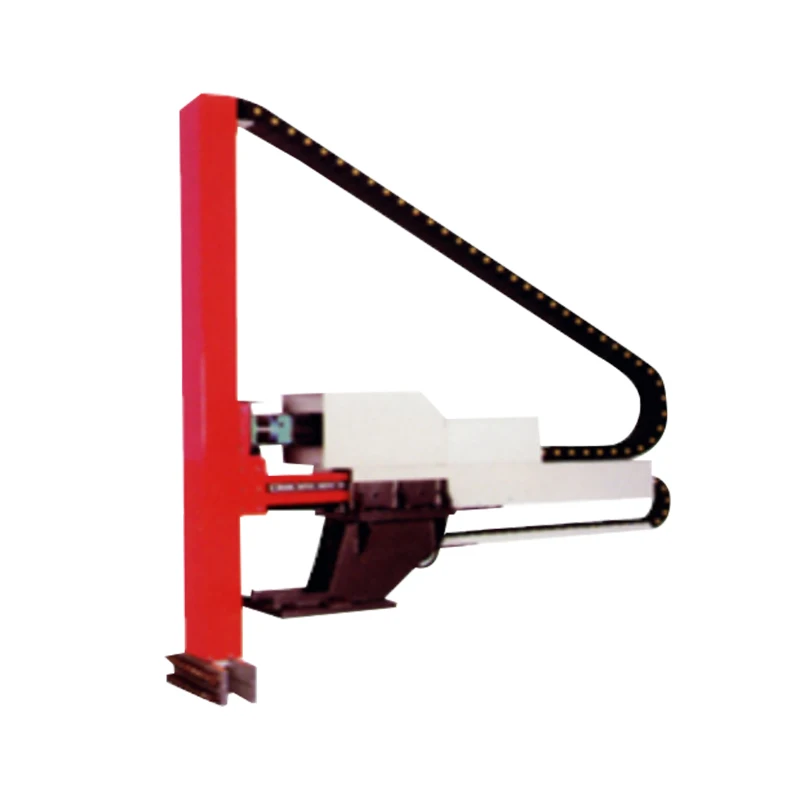
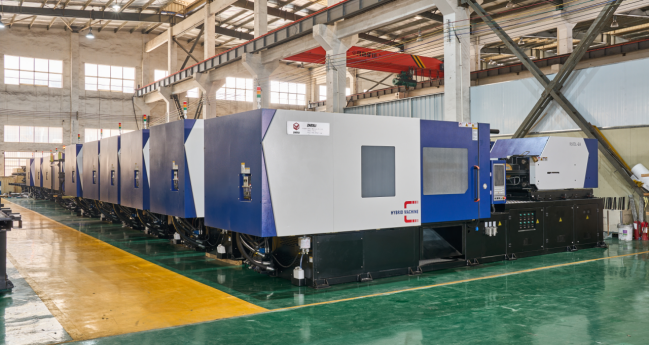
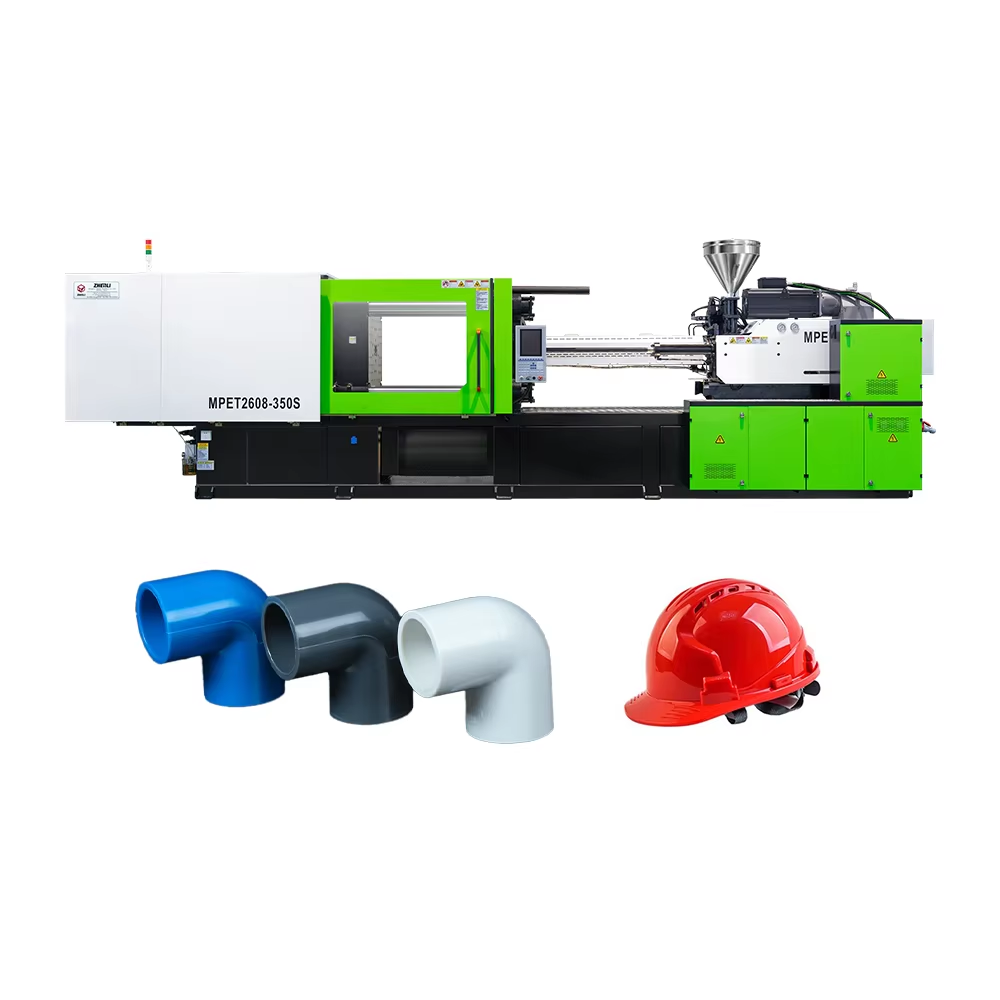
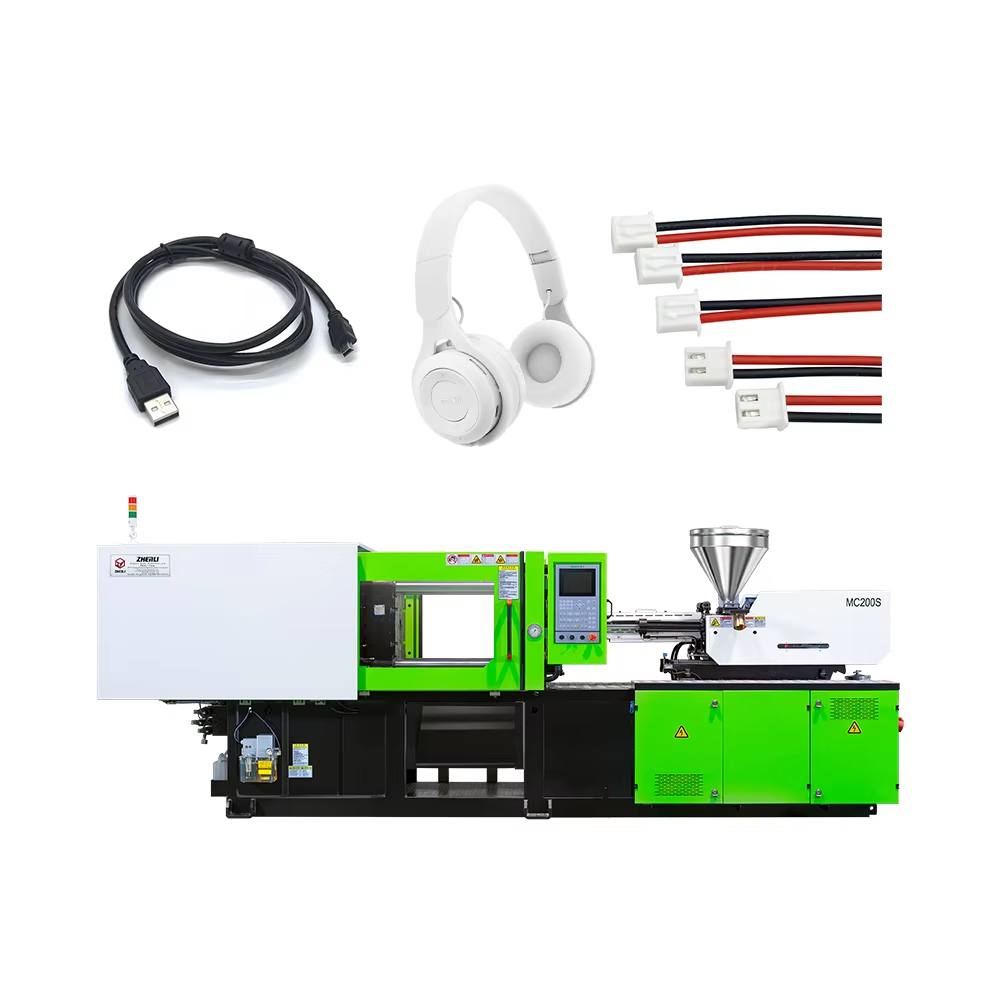
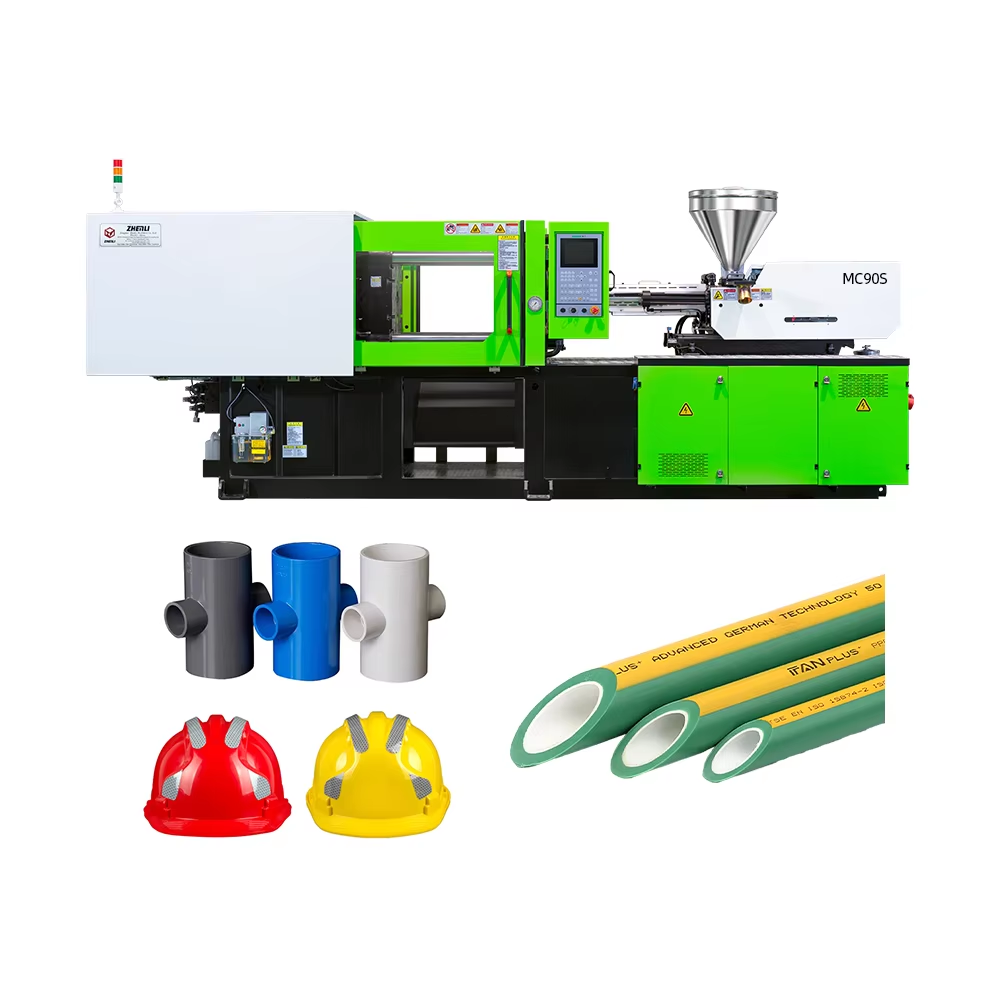
A preform molding machine is a highly specialized variant of injection molding equipment meticulously engineered for the high volume production of PET (Polyethylene Terephthalate) preforms, which are the test tube like precursors subsequently blown into beverage bottles and containers. These machines are distinguished by their exceptional precision in thermal and hydraulic control to manage the unique properties of PET resin, a semi crystalline polymer that is highly hygroscopic and prone to thermal degradation and a loss of Intrinsic Viscosity (IV) if processed incorrectly. The process mandates an integrated, high capacity dehumidifying dryer to reduce the resin's moisture content to below 50 ppm prior to entering the barrel, preventing hydrolysis that weakens the final material. The injection unit typically employs a general purpose screw with a moderate compression ratio to ensure uniform melting without excessive shear heat, coupled with a shut off nozzle to prevent drool. A critical aspect is the rapid and consistent cooling within the multi cavity mold, often achieved through sophisticated cooling channel designs and precise temperature controllers, as the crystallization behavior of PET directly impacts the preform's clarity and mechanical strength. Modern preform molding machines frequently feature valve gated hot runner systems, which ensure balanced filling of all cavities (often 48 to 144 cavities) and eliminate material waste, and are driven by high response servo hydraulic or all electric drives for unparalleled control over injection speed and profile. This precise control is vital to prevent defects such as gate blush, splay marks, or uneven wall thickness. Post molding handling systems, like automatic take out robots, are integral to maintaining a fast cycle time. When selecting such a machine, factors like energy consumption, compatibility with recycled PET (rPET) content, and adherence to stringent food grade safety standards are paramount for global bottling manufacturers.