Jiangmen Zhenli Machinery: High-Capacity Large Injection Molding Machines & Global Supply
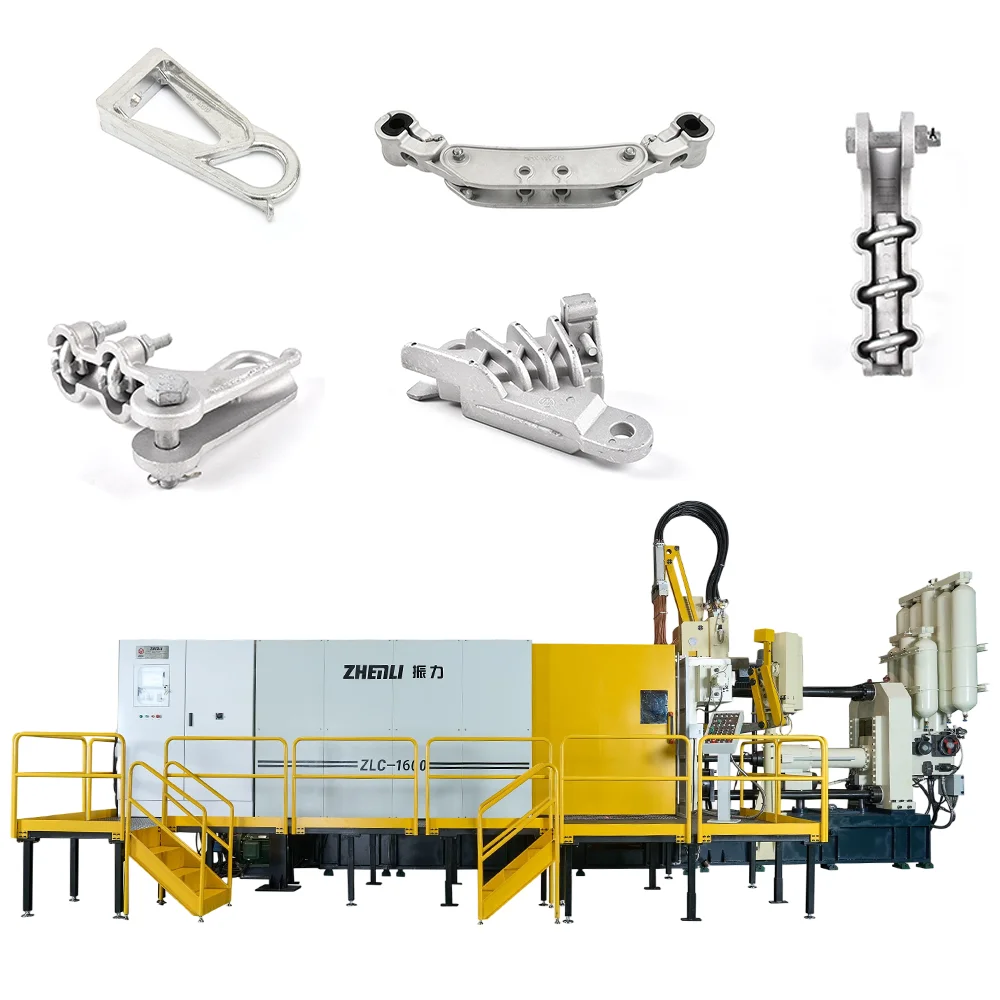
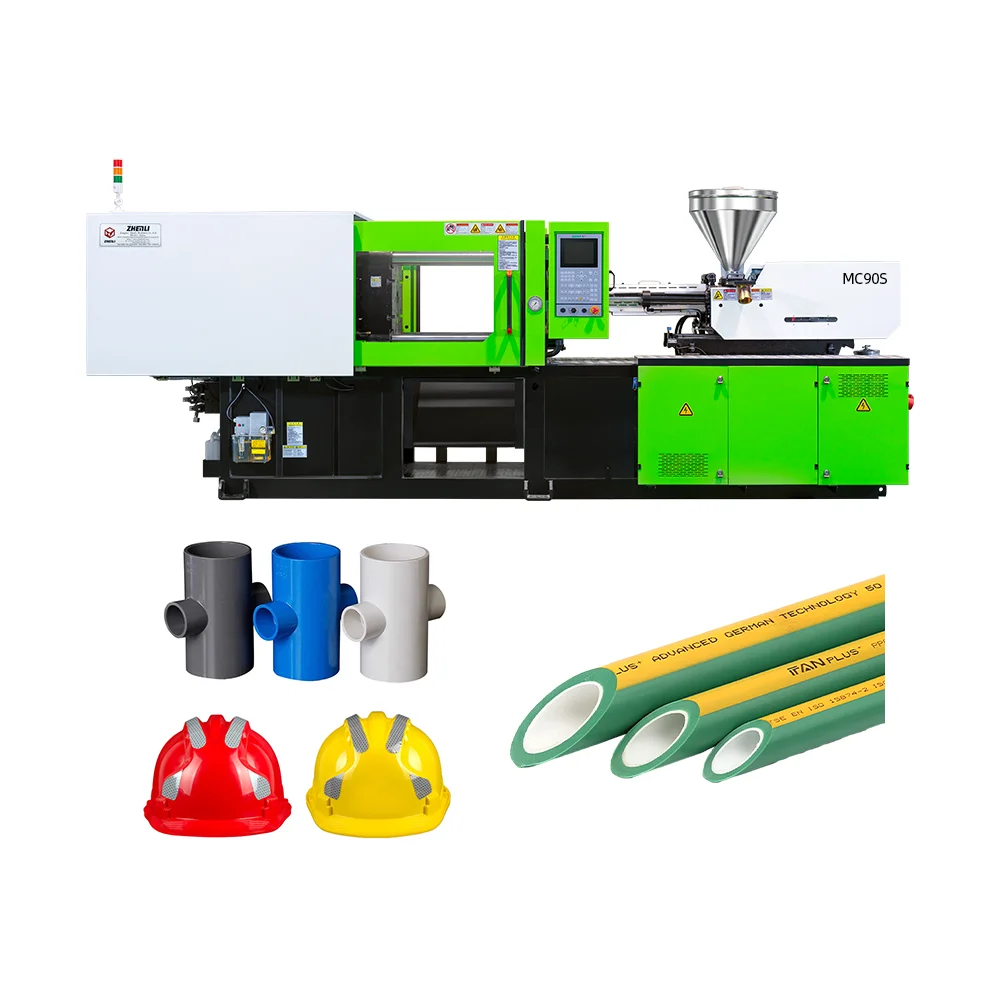
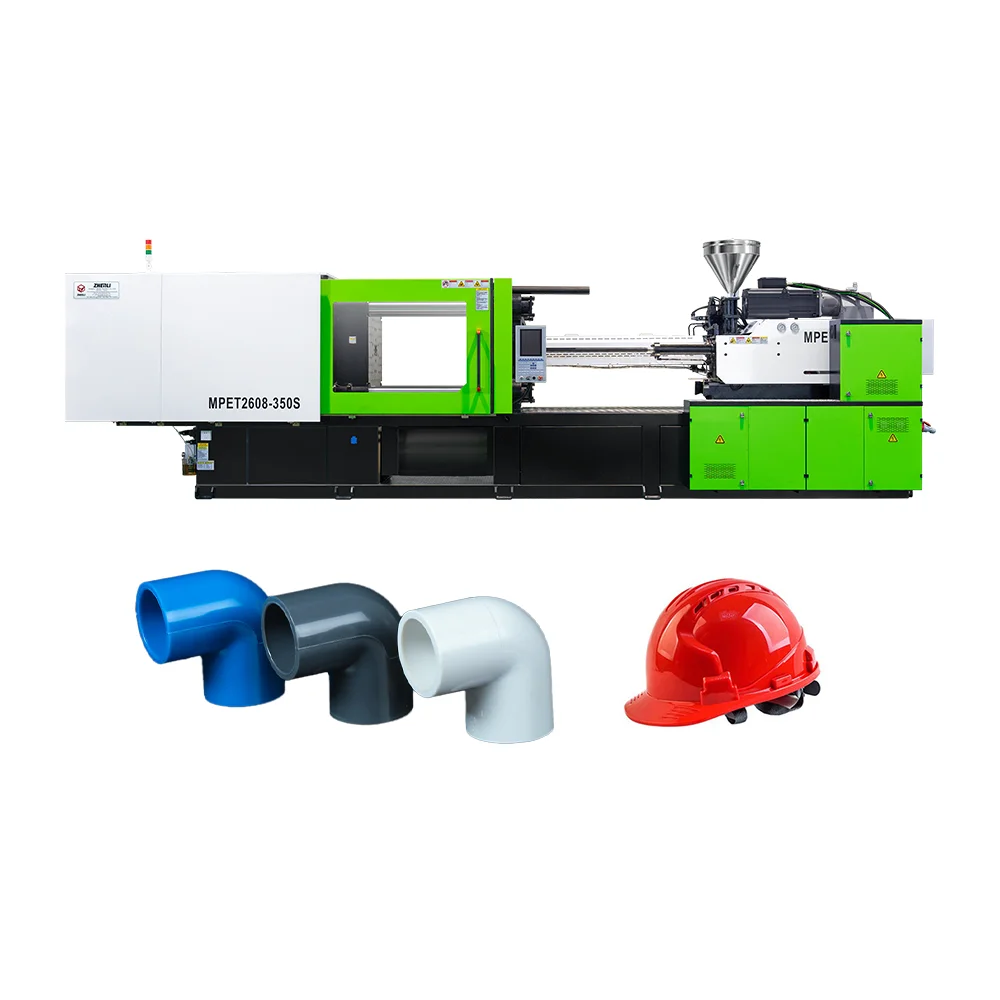
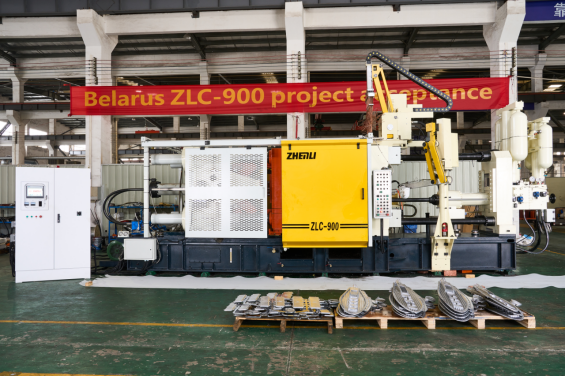
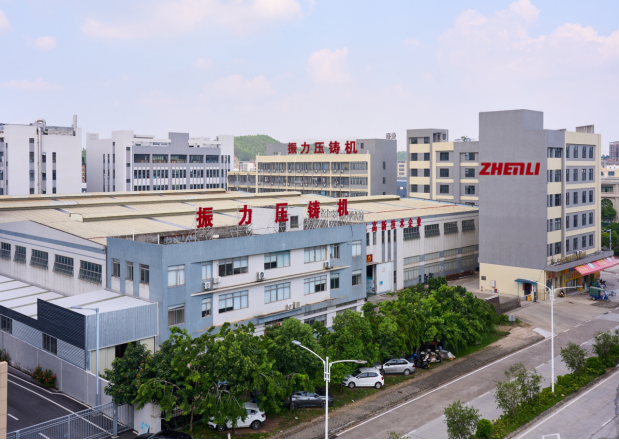
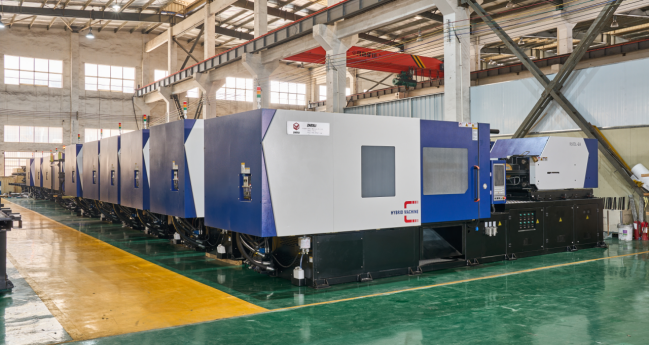
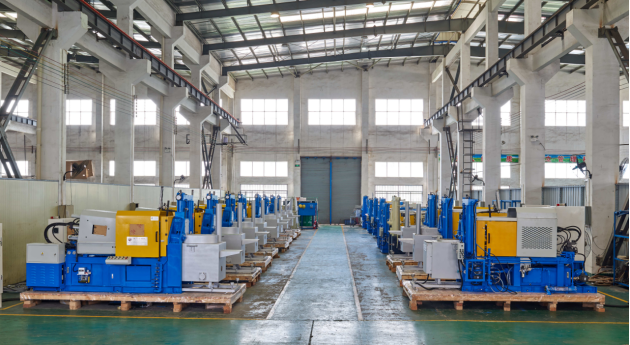
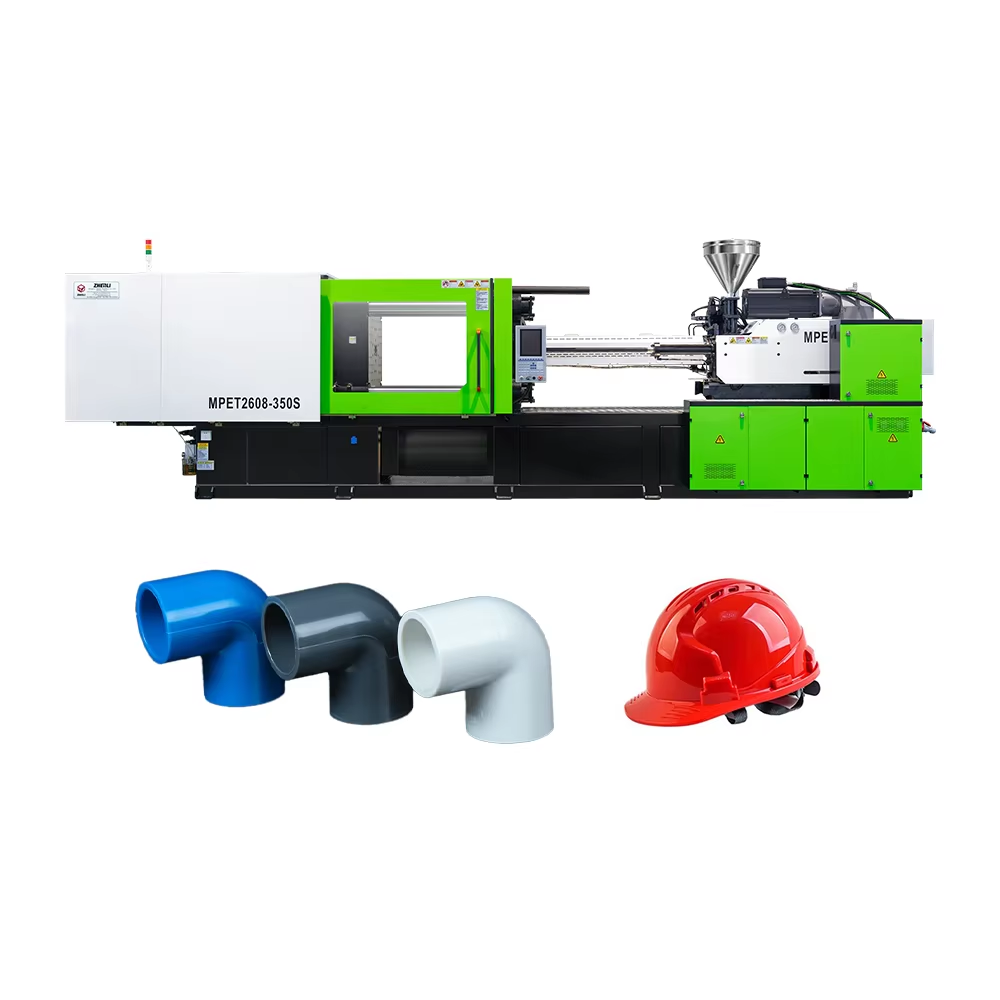
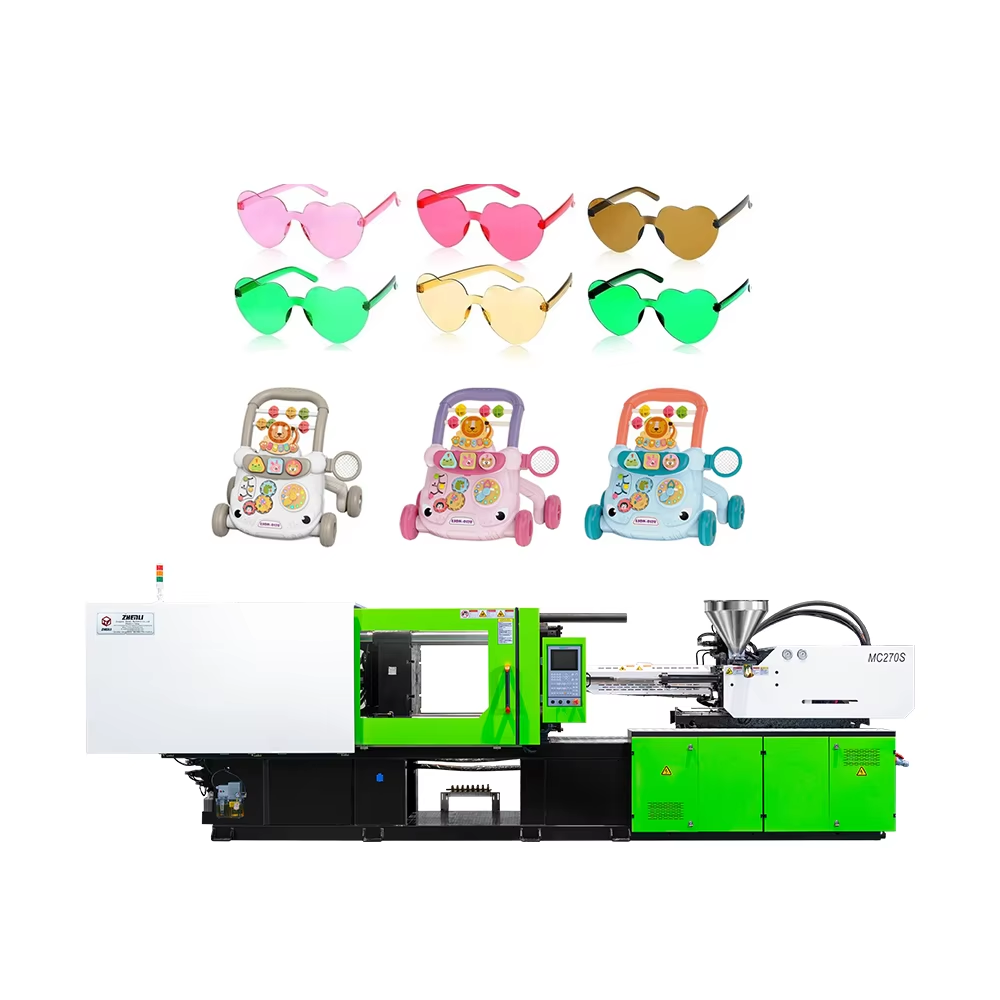
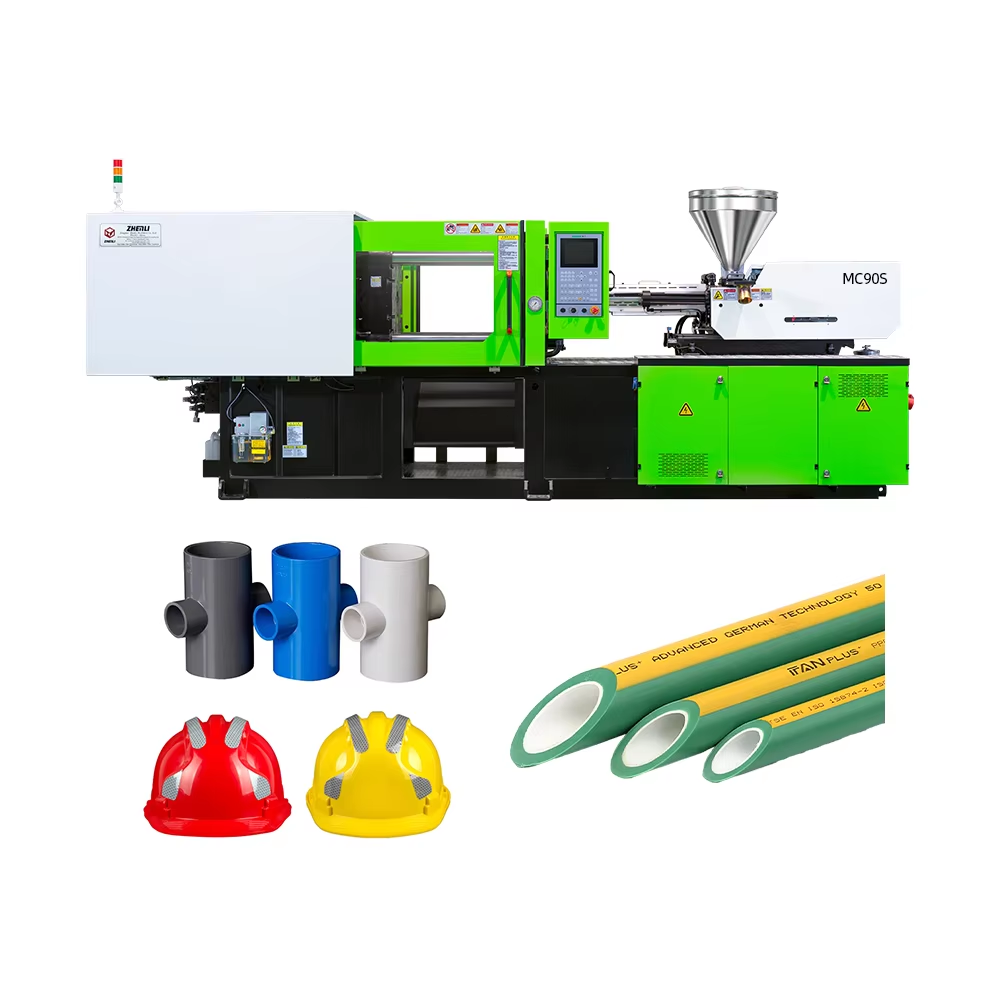
Jiangmen Zhenli Machinery Co., Ltd. supplies large injection molding machines with high clamping forces (ZLMC series up to 2600S), engineered for large-scale plastic products such as automotive parts, industrial housings, and packaging containers. These machines feature double-proportional hydraulic systems, stabilized pressure injection, and intelligent controllers, ensuring efficiency and reliability. Certified by ISO, CE, and patents, the company offers one-stop services from technical consulting to commissioning, supports customization, and operates a 20,000 ㎡ factory. With sales in 50+ countries and 20+ CNC machines, Zhenli’s large injection molding machines deliver high productivity, dimensional accuracy, and global after-sales support, meeting the demands of industrial-scale manufacturing.
Get A Quote
 EN
EN